
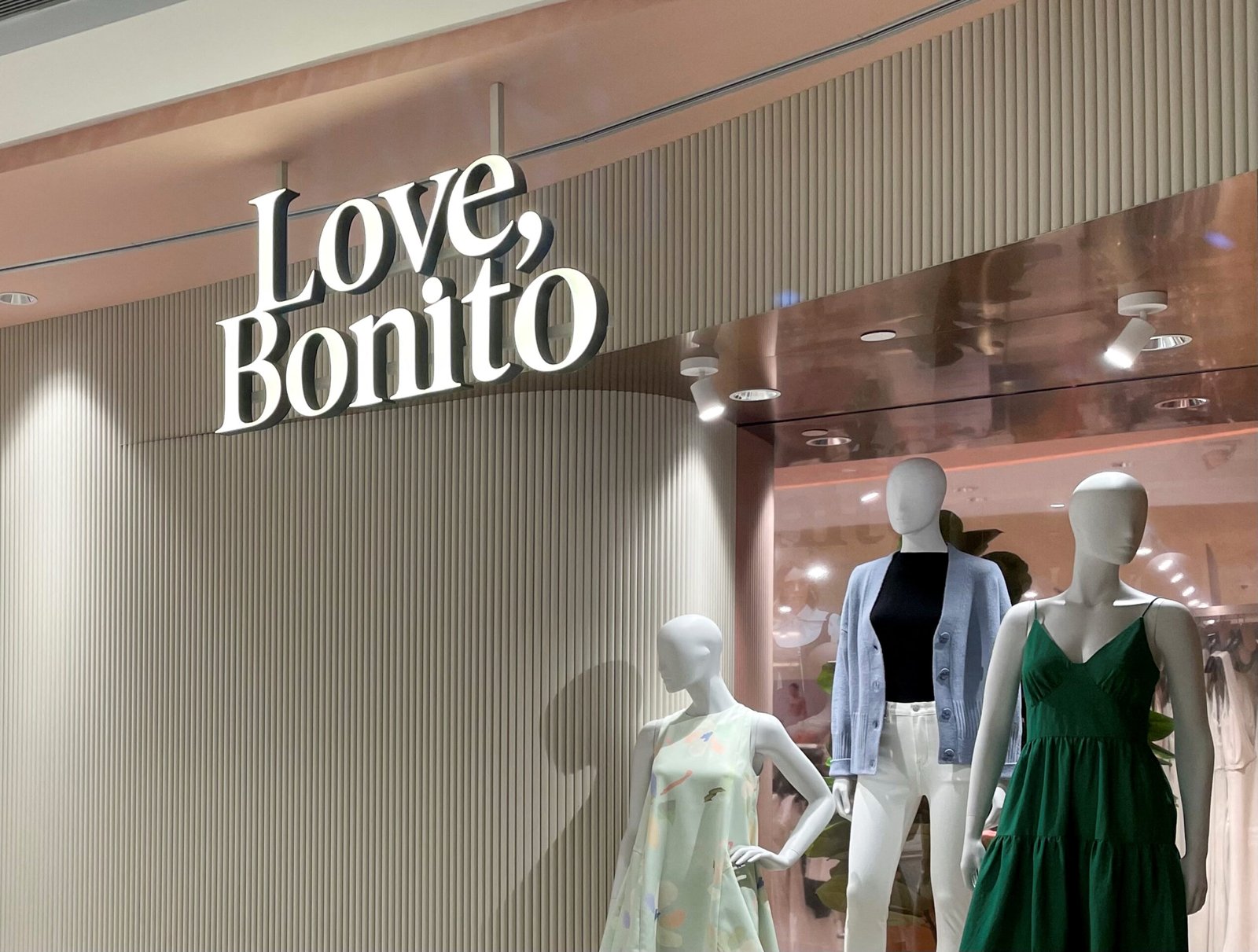
Love, Bonito is a Singapore-based women’s fashion brand that has grown rapidly across Southeast Asia and beyond. Founded in 2005 (initially as “BonitoChico”) and rebranded in 2010, Love, Bonito has built a reputation for designing clothes specifically tailored to Asian women—both in fit and style.
While the brand handles design, marketing and retail, the crucial question for many consumers is: who actually manufactures Love, Bonito clothes? Understanding the production side offers insight into fit, quality, sourcing and brand value.
The Brand’s Design Hub and Production Oversight

Love, Bonito emphasises that its clothes are “designed in Singapore” and engineered for the “real lives of women” with practical features like pockets, wrinkle resistance and comfortable tailoring. The design team, product development and fit-testing are based in Singapore, and the brand stresses its focus on serving Asian body types—this includes detailed fitting rounds on mannequins shaped for Asian proportions.
However, though design and brand strategy are Singaporean, the actual manufacture of the garments is outsourced. According to interviews and articles, Love, Bonito manufactures in multiple Asian factories, with mentions of China and Vietnam as production locations. In a 2017 interview, co-founder Rachel Lim stated: “We design in Singapore and manufacture in China and Vietnam.”
This model means that while Love, Bonito retains creative control, sourcing, production and factory relationships are handled through partner manufacturing sites elsewhere in Asia.
Where the Garments Are Made: China, Vietnam and Beyond
Precise factory names are generally not disclosed publicly by Love, Bonito, which is common in the fashion industry. Nonetheless, credible sources point to manufacturing sites in China as well as Vietnam. A recent article assessing the brand’s sustainability categorises Love, Bonito’s operations as manufacturing in countries like Vietnam and China.
Another case study on denim sourcing points to Love, Bonito working with a manufacturer network via a sourcing partner (Inflow) that aligns with the brand’s design and production needs. The case discussion describes work in sampling, pattern-making, MOQs, and large-scale production for the denim line.
What emerges is a dependable picture: Love, Bonito uses contract manufacturers (OEM/ODM partners) in Asia that are capable of producing to the brand’s specs for fit, tailoring, fabric technology and quality auditing.
Manufacturing Controls, Supplier Standards and Fit Focus
Even though Love, Bonito outsources production, the brand emphasises internal control of fit, fabric selection and design iteration. According to their site, sample pieces are fitted on everyday Asian women and seam lines are perfected on custom mannequins.
Their impact page also declares that the brand partners exclusively with suppliers that are compliant with industry-standard social audits such as BSCI and SMETA, and adheres to a Supplier Code of Conduct covering forced labour, child labour, working hours and wage standards.
Through these measures, Love, Bonito attempts to maintain greater transparency and accountability than some fast-fashion labels—though external commentary notes that the brand still operates with a high-volume collection cadence.
In short: design and brand oversight are based in Singapore; manufacturing is outsourced to Asia; and quality, fit and supplier standards are managed via internal policies.
Implications for Consumers: Fit, Sourcing and Value
For shoppers of Love, Bonito clothing, understanding its manufacturing model clarifies what to expect. Because design is local and tailored, garments often deliver a strong fit for Asian body types—something the brand emphasises strongly. This is part of what differentiates Love, Bonito from global fashion brands whose base sizing and cuts may favour Western body shapes.
Because production is outsourced, price points become more accessible compared to fully local manufacturing, but consumers may also want to consider aspects such as fabric durability, finish, and ethical sourcing. The brand’s supplier standards help, though independent reviews suggest the business model still leans toward high collection turnover, which can affect long-term durability.
Finally, regional production hubs mean that for consumers in Southeast Asia, Love, Bonito can deliver timely fit, distribution and relevant style—but global shipping, tariffs and lead times may still matter when production location is distant.
The Manufacturing Summary
In macro terms, who makes Love, Bonito clothes? The brand does not own large-scale factories. Instead it uses a hybrid model: design, fit engineering and brand direction in Singapore; manufacturing outsourced to partner factories in China and Vietnam (and possibly other parts of Asia) that meet Love, Bonito’s design, fit and auditing specs; and final distribution via its own retail channels and global e-commerce.
This model enables Love, Bonito to deliver a fashion offering tailored to Asian women, operate across multiple markets, and maintain investment in design while leveraging manufacturing economies.
Conclusion: Love, Bonito Is Designed in Singapore, Manufactured in Asia
For anyone exploring who actually makes Love, Bonito garments, the answer is clear: these clothes are designed for Asian bodies in Singapore, and produced through contract manufacturing networks in Asia—most notably China and Vietnam. While the brand invests heavily in fit, design and styling, it outsources the manufacturing step to factories that can scale and meet its collection demands.
By understanding this manufacturing pathway, consumers can better appreciate the brand’s value proposition, weigh fit and sourcing quality, and shop with clearer knowledge of the production reflections behind every dress, pant or top.
Leave a Reply