
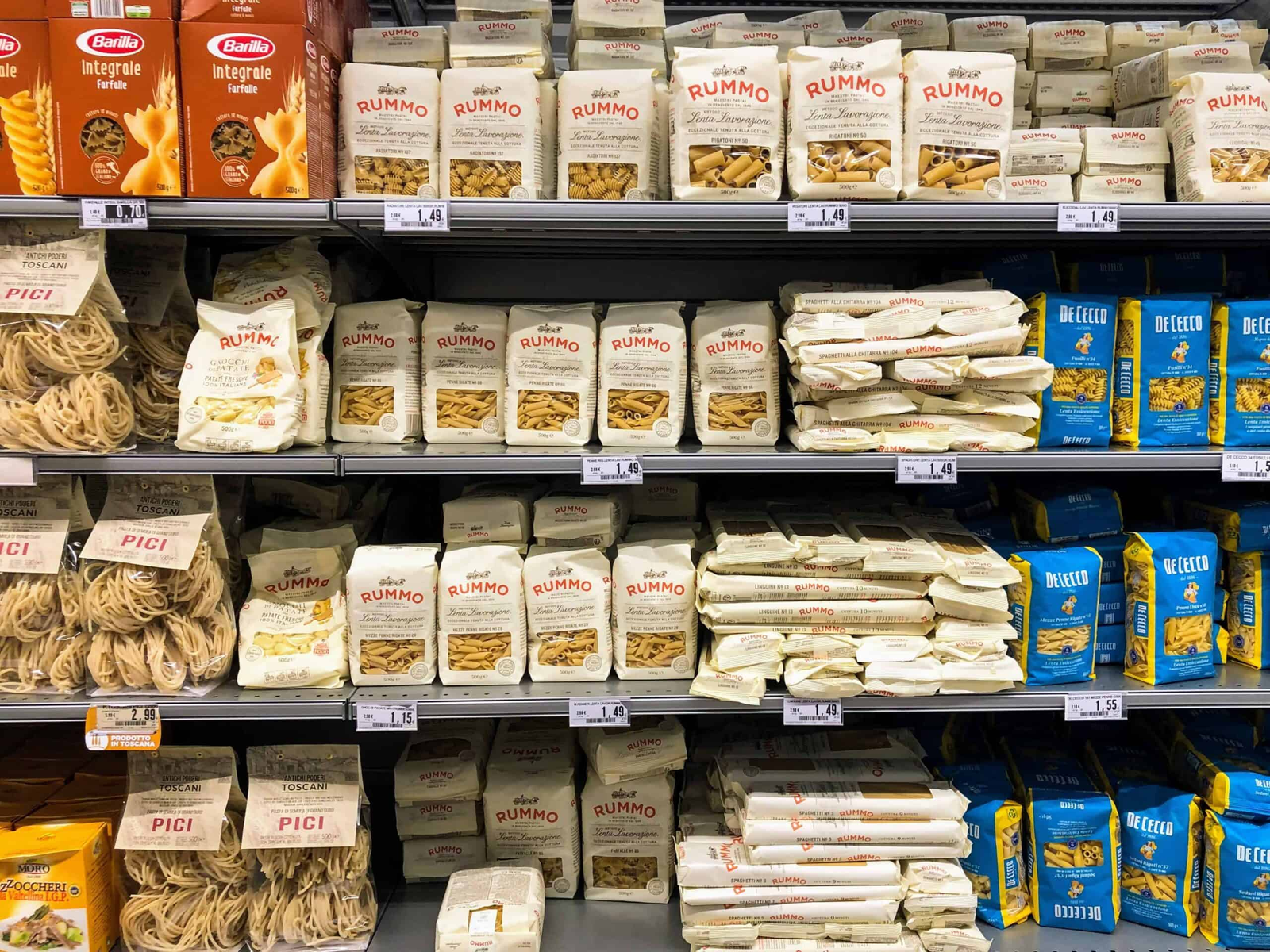
Walk down the “premium pasta” aisle of any upscale supermarket and you’ll find an array of artisanal-looking boxes: rustic fonts, hand-drawn wheat stalks, Italian flags, and words like “bronze-cut,” “slow-dried,” and “heritage grains.” Gourmet pasta brands have built an aura of craftsmanship around their packaging—but behind the scenes, many of these products trace back to a handful of industrial Italian producers, long-established mills, and contract manufacturers that supply multiple labels at once.
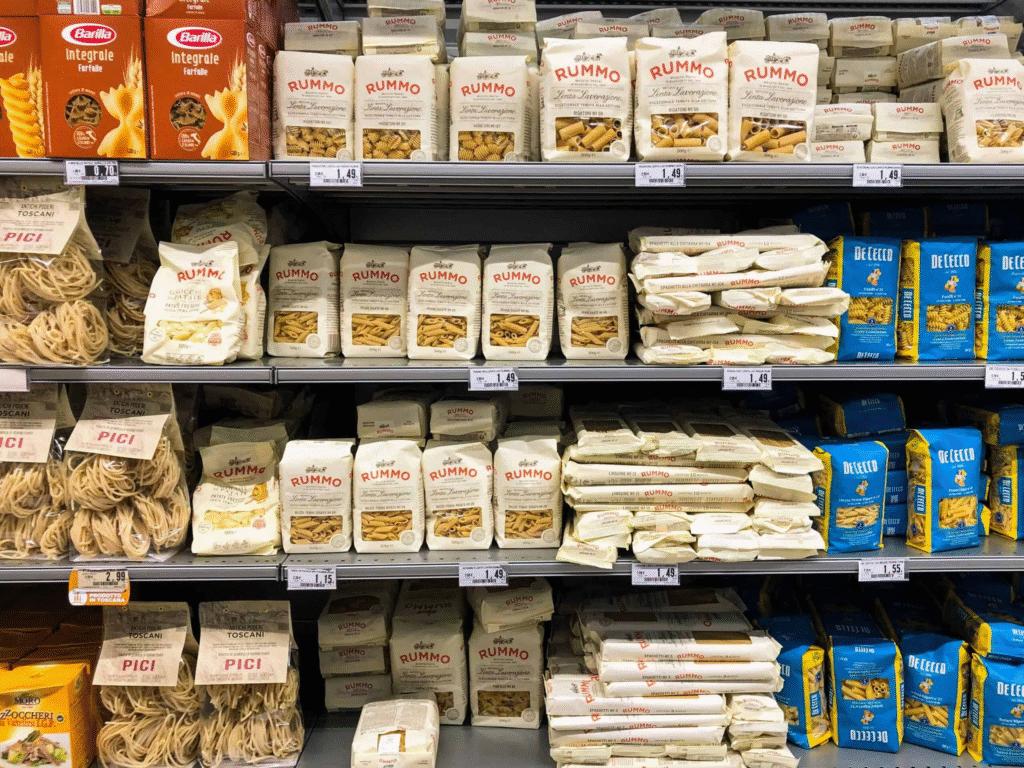
The truth is that pasta production is one of the most consolidated food industries in the world. While hundreds of brands exist, only a limited number of companies actually produce the majority of the pasta consumed globally. Some boutique brands genuinely operate independent small-batch factories, but many others outsource production to major Italian pasta makers—sometimes the very same companies that produce mainstream supermarket staples.
Understanding who really makes your “gourmet” pasta shines a light on the surprising overlap between mass-market and artisanal brands, and why your $12 bronze-cut spaghetti may come from the same line that produces $2 supermarket pasta—just with different ingredients, formats, and drying methods.
The Illusion of Boutique Pasta Making
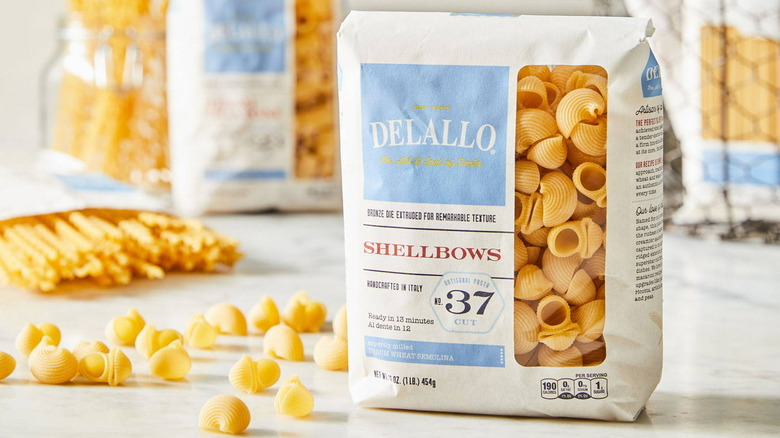
Marketing plays a powerful role in gourmet pasta branding. Words like “family recipe” or “small batch” don’t always mean the brand owns a factory. In many cases, the brand handles packaging, design, and grain sourcing, while the actual production is carried out by long-established pasta manufacturers in Italy.
It’s common for major Italian producers to take on contract work for gourmet labels—producing pasta according to the client’s required specifications. This could mean using a specific wheat variety, adjusting drying time, switching to bronze dies, or packaging under a private label.
The result: two pastas with dramatically different branding, price points, and marketing stories may have been extruded and dried in the same facility, just with variation in ingredients and production parameters.
The Italian Giants Behind the Scenes

Italy remains the heart of pasta manufacturing, not just culturally but industrially. Large companies such as Barilla, De Cecco, Garofalo, Pastificio Liguori, Rummo, and La Molisana operate huge facilities that produce both their own branded pasta and private-label batches for international clients.
Some European supermarkets source their “premium store-brand pasta” directly from these factories. Meanwhile, smaller gourmet brands—especially those founded in the U.S., Australia, or Asia—often contract with these same Italian producers because setting up a dedicated pasta factory is capital-intensive and technically complex.
What distinguishes one brand from another is often not the factory but the specifications: the wheat source, milling method, bronze vs. Teflon extrusion, humidity control, enzyme levels in the grain, resting time, and slow or fast drying. A luxury brand may choose stone-ground durum from specific regions, low-temperature drying for 24–72 hours, or a specialty bronze die that creates a high-friction surface. A mass brand may opt for faster drying to increase throughput.
This is why “Made in Italy” doesn’t automatically mean “small batch.” It often means “produced in a world-class industrial facility that also happens to dominate global pasta exports.”
U.S. and Australian Gourmet Brands Often Don’t Produce Their Own Pasta
In markets like the U.S. and Australia, the rise of gourmet pasta brands has created a new category of “chef-branded” or “restaurant-linked” dry pasta. These companies often emphasize grain quality, artisanal design, or chef-endorsed recipes—but most do not operate independent pasta factories.
Instead, they typically partner with:
1. Italian producers that offer private-label batches
2. Regional mills that specialize in heritage grains
3. Small Italian cooperatives that handle boutique runs
4. North American pasta manufacturers with bronze-cut lines for premium SKUs
The pasta may be formulated by the brand’s culinary team, but the extrusion, drying, and packaging occur in facilities already producing tons of pasta daily.
This is especially true for brands marketing heirloom grains. They may mill grain locally, then ship semolina to Italy for production, taking advantage of Italy’s drying techniques and worldwide pasta expertise.
True Artisanal Pasta Makers Do Exist—But Are Few
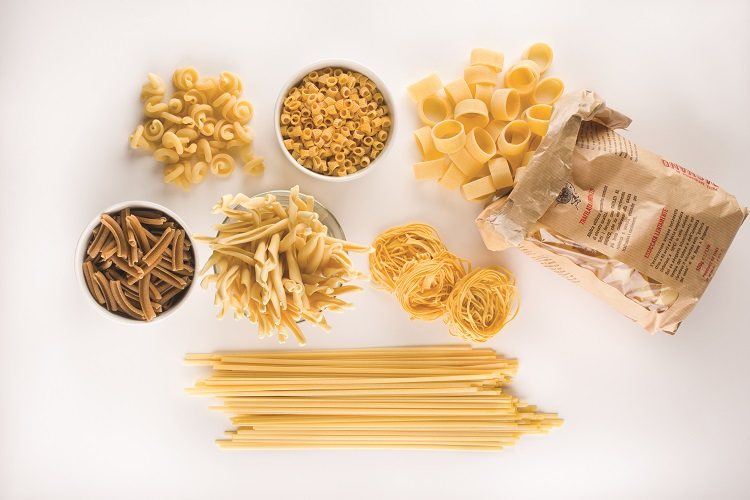
A handful of brands genuinely fit the artisanal label: small factories, slow drying inside stone-walled rooms, specialty dies, and limited production volume. These companies often operate in particular regions of Italy—such as Gragnano, birthplace of bronze-cut pasta traditions.
These smaller pastifici typically use:
- High-grade durum from specific microclimates
- Long drying cycles at controlled low temperatures
- Bronze extrusion dies that give pasta its textured surface
- Hand packaging or semi-automated systems
Their output is tiny compared to industrial producers, which is why their pasta commands significantly higher prices. However, these authentic artisanal producers represent a small fraction of the market. Most gourmet brands rely on outsourcing rather than owning a pastificio.
Why So Many Gourmet Brands Outsource Production
Pasta manufacturing is far more complex than it appears. To produce consistent, high-quality pasta at scale, manufacturers need:
- Industrial-grade bronze or Teflon dies
- Precision extrusion machines
- Controlled-temperature drying chambers
- Quality testing labs
- Grain and semolina storage facilities
- Experienced pasta engineers (“maestri pastai”)
Setting up such a plant can cost millions. For a gourmet brand focused on storytelling, packaging, recipe development, or grain selection, outsourcing is the smartest move. It ensures product consistency and safety while allowing the brand to differentiate through marketing and ingredient sourcing.
How to Identify Who Really Made a Gourmet Pasta
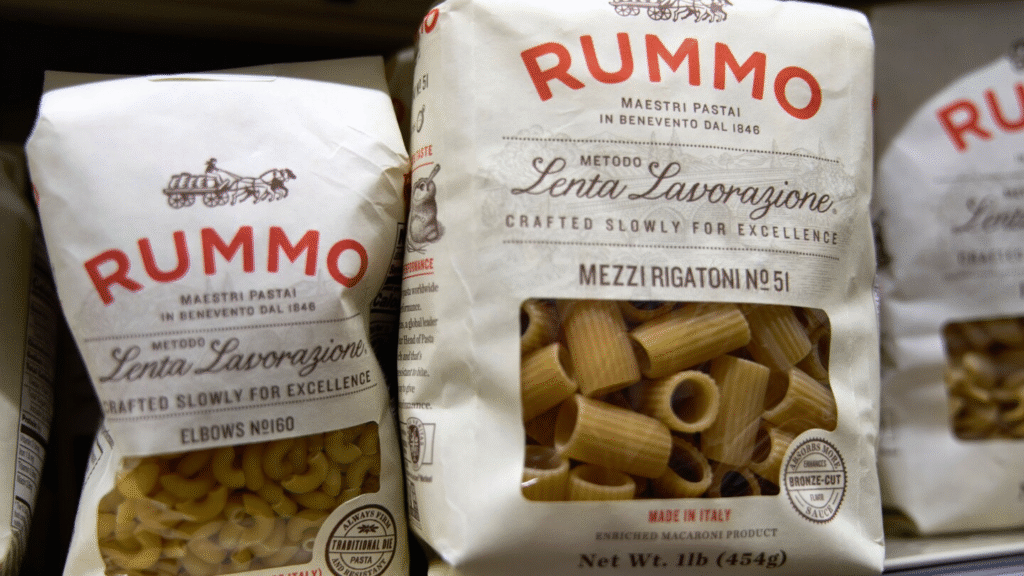
For curious shoppers, clues about manufacturing origin often hide in subtle packaging details. Many private-label pastas must print “Made in Italy” or list the factory code required under EU food regulations. These factory codes can reveal which major producer made the product—allowing consumers to compare a store-brand premium pasta with its branded counterpart.
Some gourmet brands openly state the pastificio they partner with, using the factory’s reputation as a selling point. Others, however, highlight grain origin and craftsmanship but leave factory details vague to preserve the boutique image.
Conclusion: Gourmet Pasta Isn’t Always What It Seems
The gourmet pasta aisle is full of romance—regional grains, artisanal processes, rustic illustrations—but behind the branding lies a more consolidated, industrial reality. Many “artisanal” or “chef-created” pasta brands rely on the same high-capacity Italian producers that manufacture mass-market pasta, differing only in ingredients, drying techniques, or custom specifications.
This doesn’t make the pasta inferior. In fact, partnering with well-established Italian factories ensures consistent quality and traditional techniques. But for transparency-minded consumers, knowing who actually extrudes and dries the pasta offers a deeper understanding of what makes one brand truly artisanal—and another simply well-branded.
Leave a Reply