
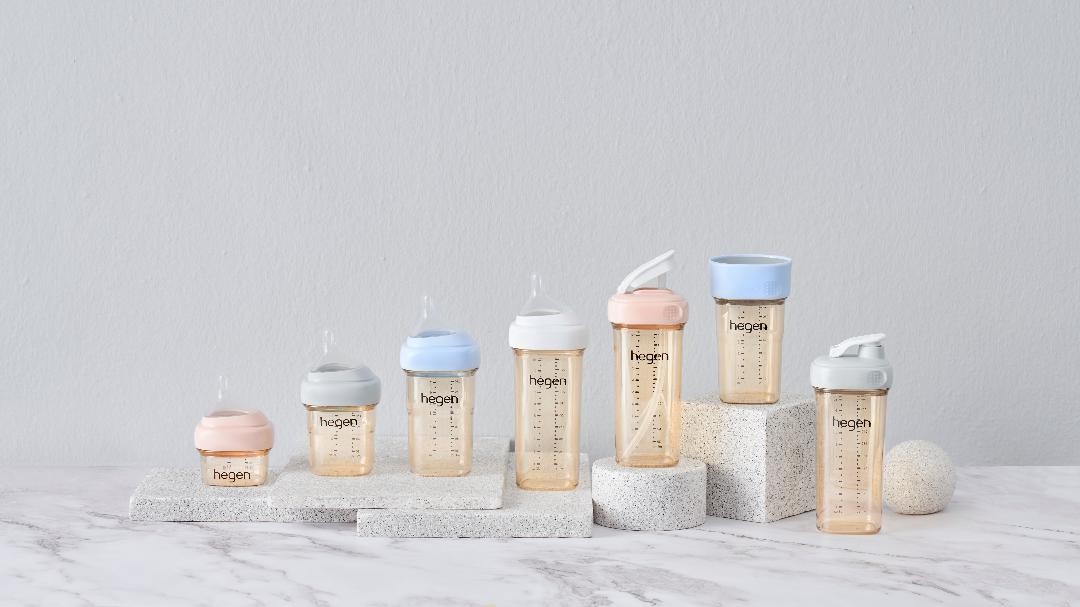
High-quality baby feeding bottles are as much about material science and manufacturing precision as they are about aesthetics. Among the standout brands in recent years is Hegen, known for its innovative design, premium materials and strong global growth. If you’ve wondered “who makes Hegen bottles,” the answer is both straightforward and telling: Hegen is a Singapore-founded company that designs and administers the brand, while manufacturing is handled via specialist production partners under its tight specifications and full oversight.
In this article we’ll explore the origins of Hegen, how the bottles are designed and manufactured (including materials, production partners and quality controls), and what this means for consumers.
The Origins of Hegen: Singaporean Design Meets Global Parenting Needs
Hegen was founded around 2014-2015 by Yvon Bock (a Singaporean mother and entrepreneur) to address the pain points of breastfeeding, expressing, storing and feeding breastmilk. The brand’s flagship system is the “Express-Store-Feed” feeding bottle, featuring a distinctive “Sqround” (square-round) bottle shape and the patented “Press-to-Close, Twist-to-Open” (PCTO) closure system.
Hegen is incorporated in Singapore (Hegen Pte Ltd) and initially targeted its home market before expanding internationally across Asia and beyond.
Who Manufactures Hegen Bottles? The Manufacturing Model Explained

When you buy a Hegen bottle you are buying a product designed by Hegen, but manufactured to its standards by specialist production and moulding partners. Hegen controls the design, recipe, material specifications and branding. According to their own disclosures, the brand partners with material-suppliers like Solvay to use high-purity food-contact grade polymers—for example, a sustainably sourced PPSU (polyphenyl sulfone) used in premium Hegen bottles.
In short:
- Hegen sets the design, user-experience, closure mechanism, shape and volumes.
- Hegen defines the material standards (e.g., high-heat resistance, dishwasher safe, BPA-free).
- Manufacturing is done by moulding and injection-partners (not all publicly named) under Hegen’s oversight; the material partnerships (such as with Solvay) highlight the depth of manufacturing technical specification.
Thus, while the question “who makes Hegen bottles?” might suggest a single factory name, the truth is a network: brand (Hegen) + material specialists + manufacturing/factories chosen by Hegen.
Materials & Manufacturing Quality: What Makes Hegen Stand Out
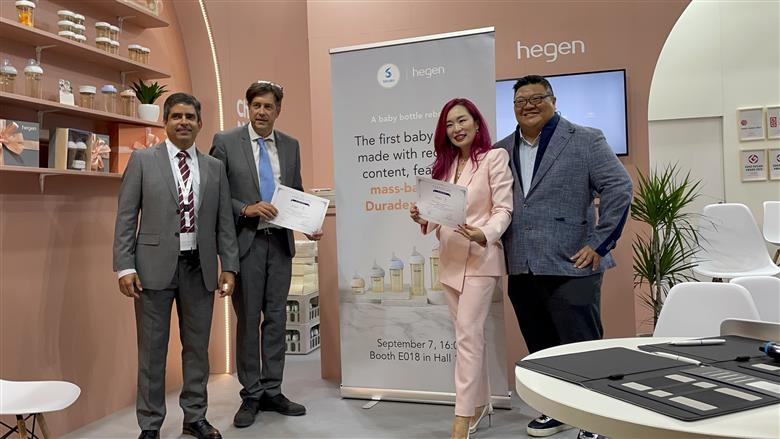
One of the major selling points of Hegen bottles is their premium material and manufacturing performance. For instance, Hegen announced a strategic materials partnership with Solvay to bring the first baby bottle made with mass-balance attributed recycled-feedstock PPSU to market. This material is high-heat resistant, dishwasher safe, highly durable and free from BPA and phthalates.
Why does this matter to manufacturing? Because not all baby bottles are created equal. Bottles must survive thousands of sterilisation cycles, resist warping, maintain clarity and food-safety compliance. Hegen’s specification for these materials suggests sophisticated manufacturing and moulding—tight mould tolerances, cleanroom conditions, validated sterilisation performance.
The brand emphasises that its bottles are designed for “1000 + steam or hot-water sterilisation as well as dishwasher cycles” while maintaining structural integrity thanks to high-performance PPSU.
Design & Production Footprint: Where Hegen Bottles are Made
Hegen is based in Singapore and its design and brand management is centred there. The manufacturing footprint, while not always broadly publicised in every detail, links to global suppliers and production networks suited for high-precision plastic injection/MIM (metal injection moulding) and baby-care grade bottle production. The exact factory locations are not always fully disclosed, which is common for many brands that contract manufacturing to specialists.
What we DO know:
- The brand has global manufacturing-grade material partnerships (e.g., Solvay) which supply advanced thermoplastics.
- The overall manufacturing process is quality-controlled by Hegen, and the brand is available internationally (in 20+ markets) which implies multiple production lines or regional manufacturing to support logistics.
- The initial brand story noted the design and development process took several years and many prototypes—Hegen emphasised its own investment in R&D before launching production.
Why It Matters for Consumers
From a consumer perspective, knowing who makes Hegen bottles (or rather how they are made) gives several advantages:
- Confidence in safety and durability: because Hegen emphasises high-quality materials and rigorous manufacturing.
- Brand transparency: many parents care deeply about production quality, chemical safety, sterilisation performance.
- Understanding premium pricing: These bottles cost more than budget alternatives because of design R&D, premium polymers, manufacturing tolerances and global logistics.
The Brand’s Global Growth & Manufacturing Implications
Hegen has grown rapidly since its foundation. According to news reports, by 2022 the brand had sold over 10 million bottles and was available in 24 or more markets globally.
Global scale means that manufacturing must keep up with logistics, material sourcing, regulatory compliance (in baby-care across many countries), and quality control across batches. This scale underscores why Hegen invests in material partners and likely uses regional manufacturing or contract manufacture to meet distribution needs. For example, material partner Solvay’s mention of global recyclable feedstock polymer suggests upstream supply chain scale.
Final Thoughts
In summary:
Hegen bottles are designed by Hegen Pte Ltd (Singapore), developed with premium materials and specifications, and manufactured by high-precision specialist moulding and plastics partners under Hegen’s full brand oversight and material partnerships (for example, Solvay for PPSU).
While there isn’t a single publicly named factory making “all” Hegen bottles, the brand’s emphasis on premium materials, global markets, and rigorous design and manufacturing process means it qualifies as a high-quality example of baby bottle manufacturing.
For parents and consumers, knowing this gives confidence that the bottle you purchase is not just designed for looks, but engineered for performance and safety.