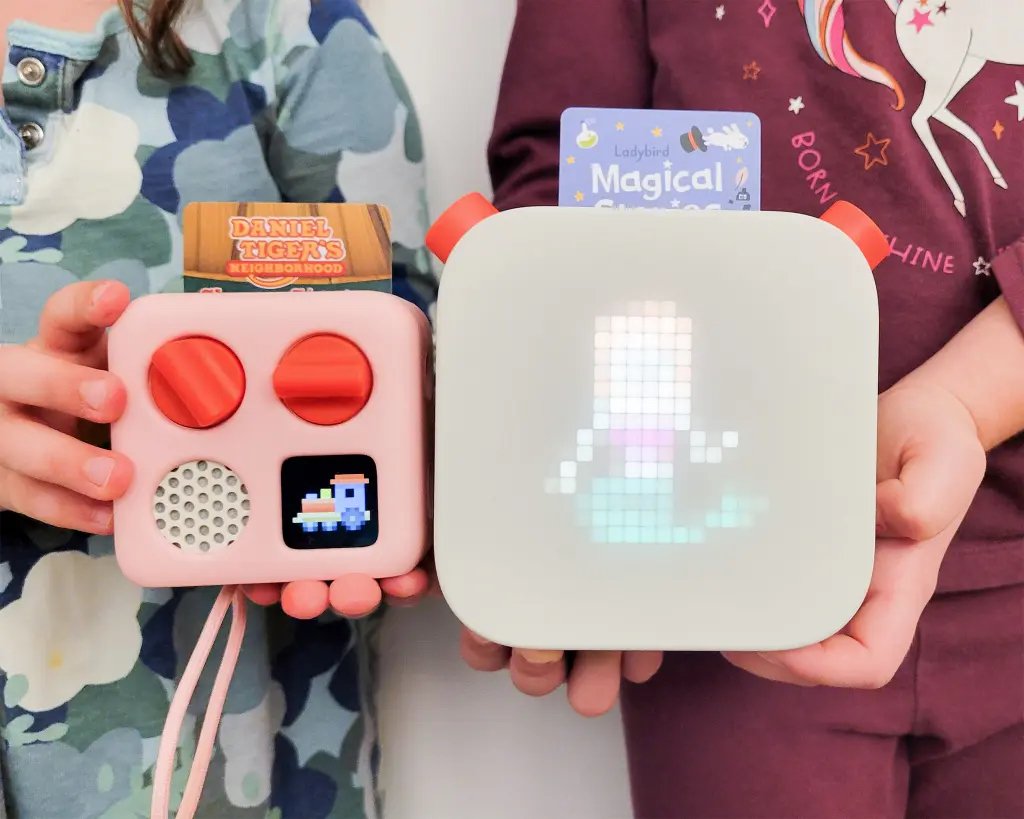
Yoto has become one of the most popular children’s tech brands in recent years. Known for its screen-free audio players, story cards, educational playlists, and calm-nightlight features, the Yoto Player and Yoto Mini have become essential items in many family homes. Parents love that the devices encourage independent listening without apps or screens. Kids love the tactile cards, the cute design, and the simple interface.
But behind its rise is a surprising reality: Yoto is not a large electronics manufacturer. Many parents assume the devices are made in-house in the UK, or that Yoto owns its own factories. In truth, Yoto is a design and technology brand that partners with specialized electronics manufacturers to produce its hardware.
This article breaks down who actually produces Yoto Players, where the devices are made, how the supply chain works, and why Yoto uses a hybrid model of UK design and Asian electronic manufacturing.
Yoto: A UK Hardware Startup With Global Manufacturing Partners
Yoto was founded in London by two dads—Ben Drury and Filip Denker—who wanted to create a safe, screen-free audio device for kids. Their idea took off quickly, gaining attention from tech reviewers, Montessori parents, and early years educators.
However, Yoto is structured like many modern consumer-tech startups:
- design, software, and product development are done in the UK
- hardware production is handled by overseas OEM factories
- quality control and testing involve both UK and partner-factory oversight
Yoto does not own electronics factories; it follows the same model as companies like Sonos, Kindle, and Google Nest: in-house design + outsourced production to specialized electronics manufacturers.
Where Are Yoto Players Manufactured? The Devices Are Made in Asia
Like most consumer electronic devices—including iPads, baby monitors, and educational toys—Yoto Players are manufactured in China.
This is not unusual; China hosts the world’s most advanced electronics manufacturing ecosystem, particularly in:
- Shenzhen
- Dongguan
- Huizhou
- Guangzhou
These regions are home to OEM (Original Equipment Manufacturer) factories that specialize in:
- compact speaker engineering
- Bluetooth systems
- MCU (microcontroller) integration
- battery assembly
- durable ABS housing production
- children’s safety and durability testing
Yoto works directly with one or more of these OEM partners to produce the devices at scale.
Who Actually Produces the Yoto Player Hardware?
Yoto does not publicly disclose the exact factory names—standard practice in the consumer electronics industry. However, based on teardown reports, product origins, component markings, and shipment data, the manufacturing pattern follows the model of most audio products made for children:
- Product Architecture & Prototyping
Created by Yoto’s internal engineering team in the UK, sometimes in collaboration with a UK or European hardware design firm. - Electrical Engineering & PCB Assembly
Handled by Chinese OEM electronics manufacturers specializing in Bluetooth audio devices. The PCB (printed circuit board) includes:- Wi-Fi/Bluetooth chipsets
- speaker drivers
- amplifiers
- charge controllers
- microcontroller firmware
- Plastic Housing & Industrial Molding
The Yoto Player’s familiar white, rounded cube shape is produced using ABS injection molding in Asian factories that also produce baby-safe household goods. - Final Assembly & Testing
Performed at the OEM factory under Yoto’s quality standards. Units undergo:- speaker testing
- button-cycle durability checks
- battery safety tests
- drop-resistance evaluations
- firmware flashing
- packaging prep
These factories also produce white-label hardware for other children’s tech products, smart speakers, and household audio devices.
Why Yoto Doesn’t Manufacture in the UK
Even though the brand is proudly British, local manufacturing is impractical for several reasons:
1. The UK does not have high-volume electronics assembly factories
China is unmatched in its ability to produce:
- consumer-grade PCBs
- compact speakers
- rechargeable battery units
- molded plastics
2. Manufacturing in Asia dramatically reduces costs
Producing in Europe would raise the price of a Yoto Player dramatically—likely doubling its retail cost.
3. Asian OEMs are experts in safety-certified children’s electronics
Factories in Guangdong province already produce:
- toys certified to EN71 and ASTM standards
- child-safe audio devices
- screen-free educational gadgets
4. Shorter lead times and access to global components
Most electronic components (chips, speakers, batteries) are manufactured in Asia, making local assembly faster and more efficient.
For these reasons, Yoto designs in the UK but manufactures where the world’s best electronics facilities are located.
What About the Yoto Cards? Who Produces Those?

Yoto Cards are printed, encoded, and packaged through a combination of:
- UK printing suppliers
- EU specialty card printers
- Asian printing and encoding facilities (for larger-volume batches)
The magnetic strip or NFC chip inside the cards is sourced from electronics suppliers, while the artwork and audio licensing are handled in-house by Yoto’s content team.
Different print runs may come from different suppliers depending on:
- market
- batch size
- licensing requirements
The cards are far simpler to produce than the electronic hardware but still rely on multiple specialized suppliers.
Product Development: What Yoto Controls In-House
Even though external factories assemble the final devices, Yoto itself controls:
- the industrial design
- the user interface
- the speaker and sound profile
- the firmware
- the app ecosystem
- digital content library
- parental controls
- safety standards
- packaging concepts
Yoto’s internal engineers specify:
- speaker wattage
- microphone sensitivity
- button materials and durability
- battery runtime targets
- Wi-Fi/Bluetooth chipsets
- charging-safety compliance
- child-safety certifications
The OEM factories then convert these specifications into mass-produced hardware.
Quality Control: How Yoto Ensures Safety and Durability
Children’s tech must meet strict international regulations. Yoto ensures quality through:
- on-site inspections at manufacturing plants
- third-party lab testing for CE, UKCA, and FCC compliance
- battery-safety certification
- toy-grade material checks
- product-life and drop testing
- firmware stability checks
- thorough packaging inspections
Because the devices are used primarily by children aged 3–12, durability and safety are central to the production process.
So—Who Actually Produces Yoto Players? The Complete Answer
The most accurate summary is:
Yoto Players are designed and engineered in the United Kingdom but manufactured by specialized electronics OEM factories in China.
The company develops the hardware architecture, software experience, content ecosystem, and safety requirements, while trusted Asian manufacturing partners handle:
- component sourcing
- PCB assembly
- speaker production
- plastic molding
- final device assembly
Yoto Cards are produced through a mix of printing and encoding suppliers in the UK, EU, and Asia.
Conclusion: Yoto Is British in Design, Global in Production, and Child-Focused in Philosophy
Understanding who produces Yoto Players reveals that the brand’s strength lies not in operating its own factories, but in combining:
- UK design and engineering
- Asia’s advanced electronics manufacturing
- high child-safety standards
- a thoughtful content ecosystem
This hybrid model allows Yoto to create premium kid-friendly tech—safe, intuitive, durable, and globally scalable—while keeping prices accessible for families.
Leave a Reply