
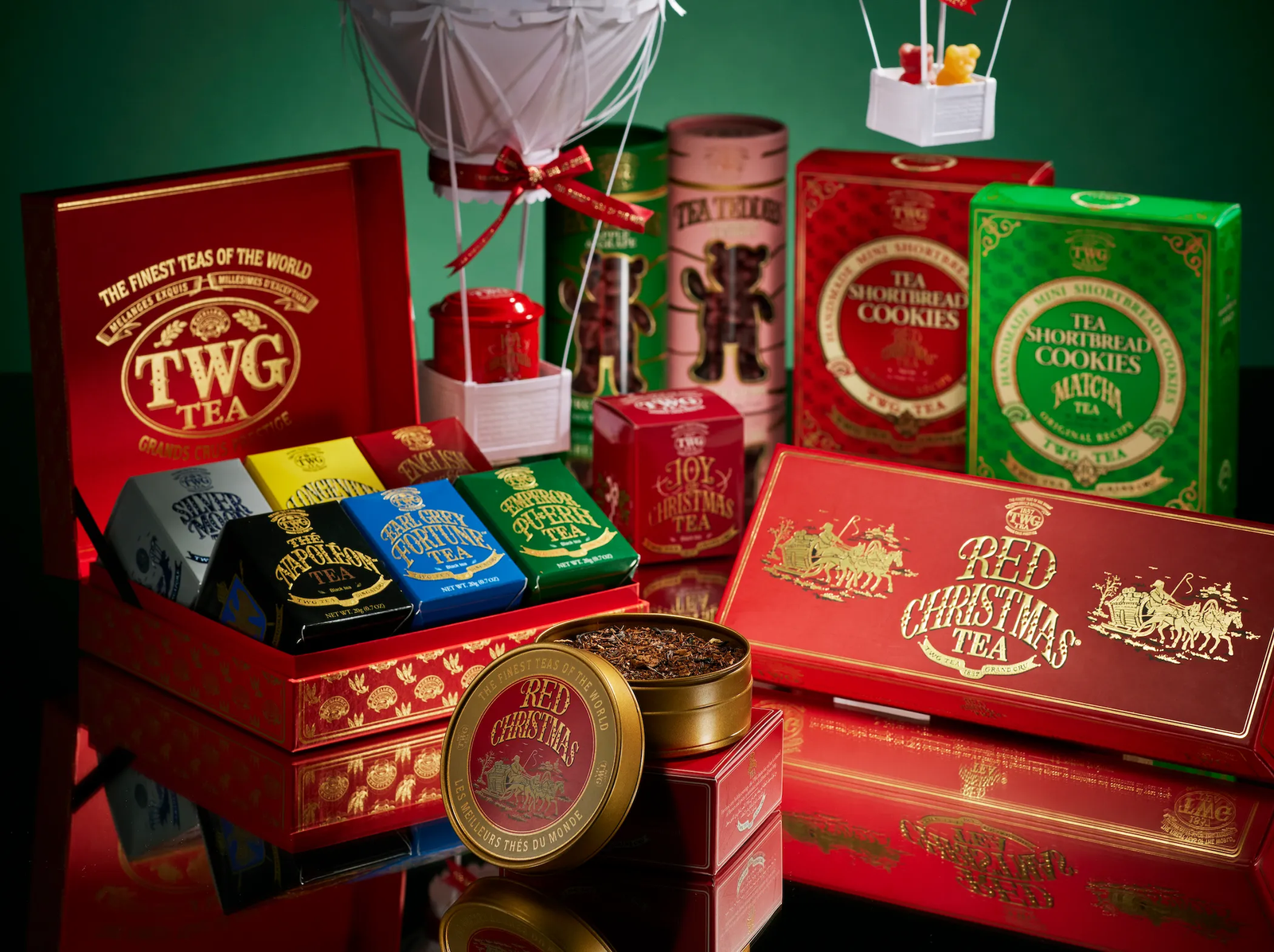
TWG Tea is one of Singapore’s most recognizable luxury brands—beloved for its gold-and-black tins, elegant boutiques, high-end tea salons, and thousands of meticulously blended teas. Its branding evokes European tea traditions, French luxury, and old-world sophistication. With names like “1837 Black Tea,” “Silver Moon,” and “Grand Wedding,” TWG feels like a historic tea institution with centuries of heritage behind it.
But here’s the twist most people don’t realize:
TWG Tea is not a centuries-old French tea house, nor does it manufacture its teas in Europe.
Instead, TWG is a modern Singaporean brand with a carefully crafted luxury image. It sources raw tea leaves from global plantations but blends, flavors, and packages the final products in Singapore. The brand’s supply chain is a mix of local blending operations, international sourcing, and highly controlled manufacturing standards.
This article breaks down who makes TWG Tea, where its products come from, and how the company turned global sourcing into a premium luxury tea empire.
TWG Tea: A Singaporean Luxury Brand With French-Inspired Positioning
TWG Tea was founded in 2008 by Taha Bouqdib, Maranda Barnes, and Manoj Murjani under The Wellness Group (hence the name TWG). Though the brand uses French-style branding, typography, and boutique design, TWG itself is not French. Instead, the brand strategically positions itself to feel European—similar to how many modern premium lifestyle brands adopt heritage-inspired imagery.
TWG’s “1837” label has caused confusion, with many consumers assuming it references the year TWG was founded. It actually refers to the year the Chamber of Commerce in Singapore was established—a nod to Singapore’s role in the historical spice and tea trade.
So who makes TWG?
TWG creates its teas through in-house blending and packaging operations in Singapore, using raw tea sourced from plantations around the world.
It is a fully modern brand with:
- Singapore-based blending rooms
- Singapore-based packaging lines
- proprietary recipes created by its tea tasters
- a global distribution network managed from Singapore
The “luxury heritage” aesthetic is branding, not literal history.
Where Does TWG Source Its Tea From?
TWG is not a tea plantation. It does not grow its own tea on a large scale. Instead, it sources raw leaves from:
- Japan
- China
- Taiwan
- Sri Lanka
- India
- Nepal
- South Africa (for rooibos)
- Morocco and Egypt (for mint and chamomile)
TWG claims to work directly with growers, garden cooperatives, and tea auctions. Its sourcing network resembles that of a global tea merchant—similar in model to Harney & Sons, Mariage Frères, or Fortnum & Mason.
What TWG actually “makes” is the blend, not the leaf itself.
TWG’s Manufacturing: Blending, Flavouring & Packaging Are Done in Singapore
This is the part most consumers don’t realize. Although the brand uses French-style names and European-style tins, TWG’s production happens in Singapore.
TWG operates:
- blending rooms
- flavouring and aroma infusion facilities
- quality-testing labs
- tea bag production lines
- loose-leaf packaging lines
- storage and humidity-controlled warehousing
Raw tea arrives in bulk from international plantations. TWG then:
- Grades and evaluates the leaves
- Blends them into proprietary recipes
- Adds natural flavors, oils, or botanicals
- Packs the tea into tins, bags, or sachets
- Distributes globally
Everything from “Jasmine Pearls” to “Singapore Breakfast Tea” is finished and packaged in Singapore.
This local production allows TWG to maintain strict quality control and keeps manufacturing close to its flagship salons.
Who Creates TWG’s Tea Blends? The Tea Tasters and In-House Experts
TWG’s signature blends—Silver Moon, White Sky, Sakura! Sakura!, etc.—are developed internally. Like perfume houses, TWG uses tea tasters and master blenders, who work with hundreds of raw ingredients to create consistent flavor profiles.
These experts manage:
- tea evaluation
- blend creation
- recipe standardization
- aroma layering
- batch consistency
Much like wine blending or fragrance formulation, tea blending requires expertise in:
- leaf oxidation
- flavour absorption
- mouthfeel balancing
- aroma modulation
- botanical compatibility
TWG’s strongest value proposition is not growing tea, but designing luxury blends.
Who Manufactures TWG’s Tea Bags?
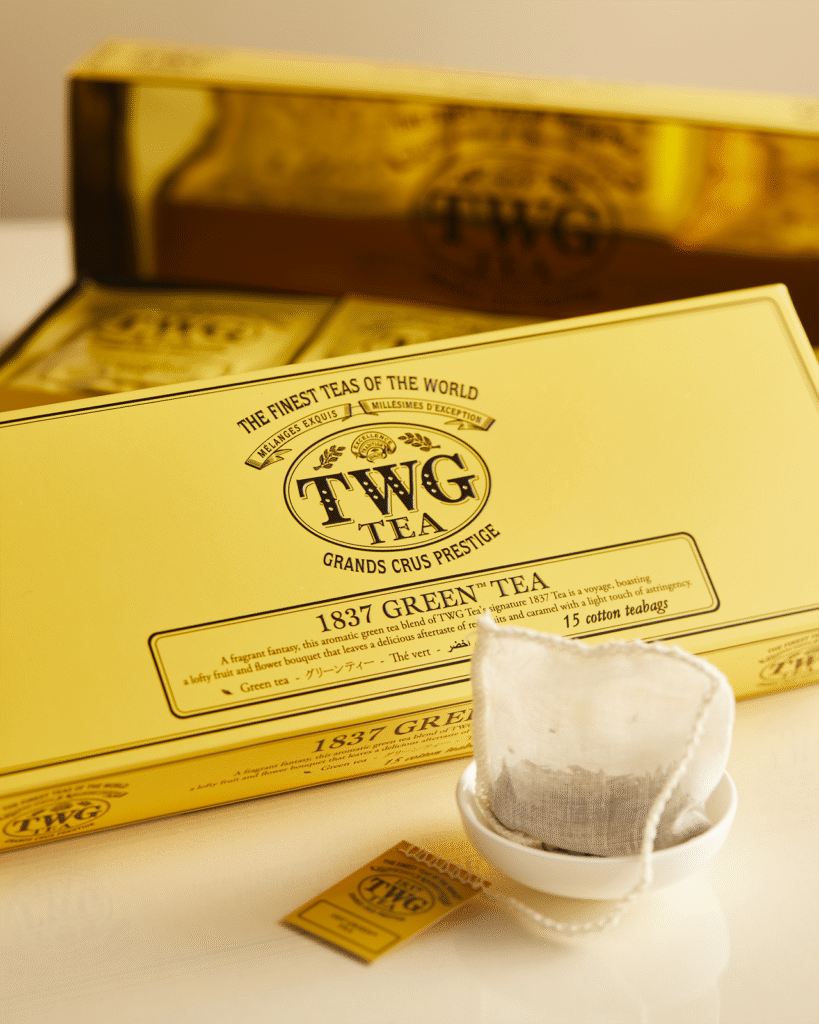
TWG is especially known for its luxurious cotton tea bags, which differ from typical paper sachets.
The brand produces its bags in Singapore using:
- hand-sewn cotton
- biodegradable materials
- whole-leaf tea (not fannings)
Unlike mass-market tea brands, TWG avoids paper dust-filled bags and instead creates a more upscale experience.
The tea bag production process includes:
- cutting cotton mesh
- filling each bag with whole leaves
- sealing in a way that maintains leaf expansion
- strict aroma preservation
These bags are produced under TWG’s own manufacturing operations rather than third-party contractors.
Are TWG Teas Made by Other Companies?
TWG does not publicly disclose all its partner factories, but based on regulatory filings and industry research:
- Raw leaves and botanicals come from international plantations
- Blending, aroma infusion, and packaging are executed in Singapore by TWG’s own team
- Tins and packaging components are sourced from European and Asian suppliers
- Ceramics, tea accessories, and teapots are manufactured by external artisans in Asia or Europe
The actual “tea-making” step—meaning blending and flavoring—is done internally.
TWG does not outsource the blending of its major collections; it maintains proprietary recipes and techniques.
Why TWG Produces Its Teas in Singapore Instead of Europe
Many luxury tea brands produce in France or the UK. TWG chooses Singapore for strategic reasons:
Singapore is a global trading hub
It offers proximity to Asia’s largest tea-growing regions.
Higher freshness control
Shipping raw tea is easier than shipping finished flavored blends.
Strict food safety standards
Singapore is known for strong quality control and certification protocols.
Brand identity
TWG markets itself as a Singaporean luxury brand rooted in the island’s trading history.
Operational efficiency
Local blending and packaging allow faster turnaround for:
- limited editions
- seasonal blends
- private label collections
- international shipments
Producing in Singapore gives TWG agility in product creation and export.
TWG vs Other Luxury Tea Brands: A Key Difference in Manufacturing
TWG’s manufacturing model is unique when compared with other global tea brands:
| Brand | Where the Tea Is Made | Who Blends It | Notes |
|---|---|---|---|
| TWG Tea | Singapore | TWG in-house | Global raw sourcing but Singaporean production |
| Mariage Frères | France | In-house | Historic tea merchant since 1854 |
| Fortnum & Mason | UK | In-house | Blends and packs in England |
| T2 Tea | Australia / global | External + in-house | Owned by Unilever |
| Harney & Sons | USA | In-house | Family-run blending rooms |
TWG is the only luxury tea brand positioned as European-inspired but produced in Asia.
TWG Accessories: Who Makes the Teapots, Cups & Tea Scoops?
TWG’s ceramics and accessories are produced by external artisans, depending on the material:
- Fine bone china – typically contracted to ceramic manufacturers in China or Europe
- Cast iron teapots – produced in Japan (Iwate region) or Chinese foundries
- Gold-plated tea scoops – sourced from specialty metal workshops in Asia
- Glassware – produced in European or Asian glass factories
TWG’s design team creates the aesthetic direction, but production is outsourced to specialist manufacturers.
So—Who Actually Makes TWG Tea? The Complete Answer
The real production breakdown is:
TWG Tea is a Singaporean luxury tea brand that sources raw leaves globally, blends and flavors the tea in Singapore using its own master blenders, and packages all final products in Singapore. Accessories and packaging are produced by international suppliers, while tea bag production and finishing happen through TWG’s internal manufacturing operations.
This means:
- TWG does not grow tea
- TWG does not blend tea in France
- TWG manufactures finished products almost entirely in Singapore
- The brand operates like a global tea merchant, not a plantation-based tea estate
TWG’s value lies in its curation, luxury branding, and proprietary blending—not in farming.
Conclusion: TWG Is Made in Singapore, Crafted From Global Leaves, and Built on Luxury Storytelling
TWG has become one of the world’s leading luxury tea brands not because it owns plantations or centuries-old heritage, but because it mastered:
- global tea sourcing
- expert blending
- consistent quality
- luxury packaging
- experiential retail
- refined storytelling
Understanding who makes TWG Tea reveals a modern supply chain that blends international agriculture with Singaporean manufacturing and French-inspired branding.
In essence: TWG is Singaporean in production, global in sourcing, and luxurious by design.
Leave a Reply