
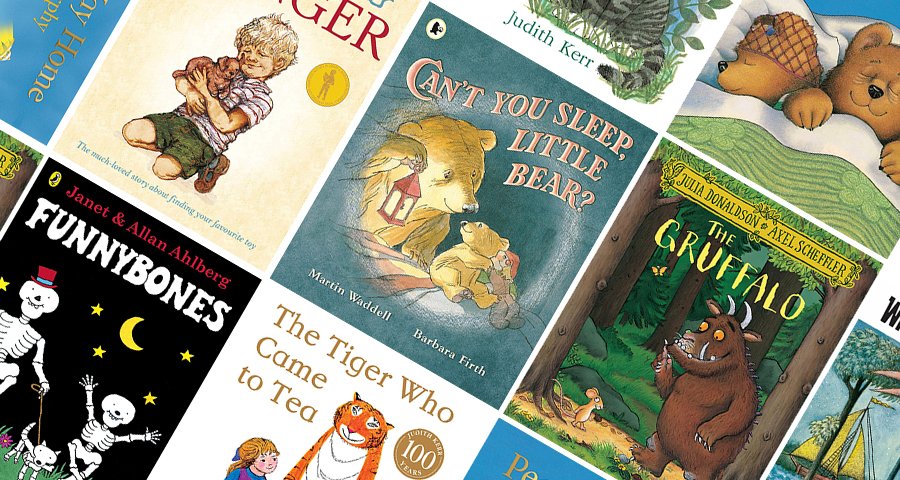
Children’s picture books look simple on the shelf—bright covers, thick pages, charming illustrations, maybe a few interactive flaps or textures. But manufacturing them at global scale is anything but simple. Behind bestselling picture books from major publishers and household brands is a specialized printing ecosystem that combines high-end color management, child-safety compliance, precision binding, and huge production capacity.
So who actually prints children’s picture books for global brands? In most cases, it isn’t the publisher’s “own” factory. Instead, large publishers and brand owners typically outsource production to a network of book manufacturers and print groups across Asia, Europe, and North America. Which printer they use depends on the book format (paperback picture book, hardcover, board book, lift-the-flap, pop-up, sound book), the required finishes, the target market, the timeline, and shipping economics.
This guide explains how children’s picture-book printing works, where the biggest volumes are produced, what “global brands” usually outsource, and how to tell what kind of printer likely made a book—even when the factory name isn’t disclosed.
Why children’s picture books are a special printing category
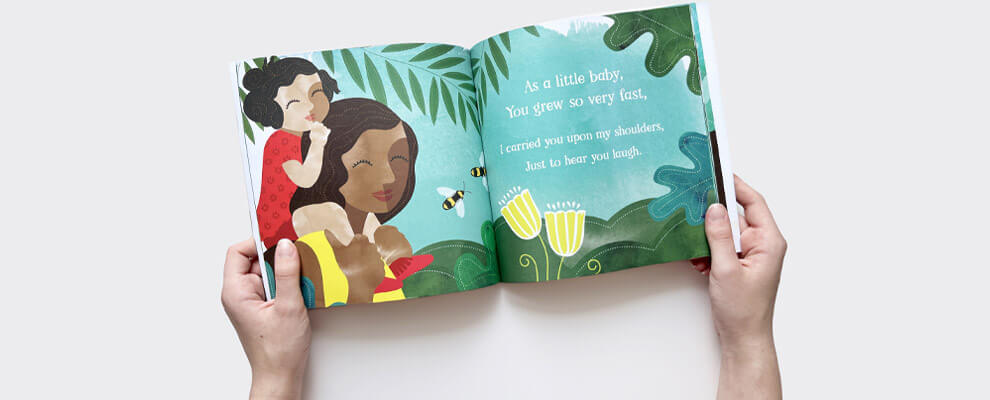
A typical adult paperback is mostly black ink on thin paper with a simple glue binding. Children’s picture books, by contrast, demand consistent, vibrant color reproduction and heavier materials that survive rough handling. Board books require thick greyboard or high-bulk board, precise die-cutting, rounded corners, and durable lamination. Interactive books add an extra layer of complexity: windows, flaps, wheels, pop-ups, tactile patches, foil accents, spot UV, stitched bindings, or embedded electronics.
On top of that, children’s products face stricter safety expectations. Publishers and brands commonly require low-migration inks, adhesive controls, safe coatings, and compliance documentation aligned with regulations in the markets where the books will be sold. For global brands distributing across the US, EU, UK, and Asia, print partners must be able to support multiple standards, testing workflows, and traceability practices.
All of this means children’s picture books tend to be printed by factories that specialize in illustrated, high-color, high-finish products—not by generic book printers.
The short answer: most global picture-book volume is printed in Asia, especially China
For decades, the largest share of full-color children’s picture-book manufacturing—particularly board books and novelty formats—has been produced in Asia, with China being the dominant hub. The reason is not just cost. It’s concentration of capability. In major Chinese printing clusters, the entire supply chain sits nearby: paper suppliers, board mills, laminating film, die-making shops, specialty finishing houses, and electronics suppliers for sound modules. This “everything in one region” advantage makes complex formats feasible at high volume.
That said, printing is not “China or nothing.” Many publishers and brand owners now split production across regions. They might print long-run board books and novelty titles in Asia while printing shorter runs, faster reprints, or region-sensitive titles closer to the end market in the US or Europe. The real-world model is usually multi-sourcing.
Who the printers actually are: three categories of manufacturers that global brands use
When people ask “who prints children’s picture books,” they often expect a single factory name. In reality, there are three common types of suppliers behind global children’s publishing.
The first is large-scale print groups that operate multiple plants (sometimes across countries) and can handle massive volume, consistent quality systems, and complex procurement. These are the kind of suppliers major publishers rely on for repeated reprints and multi-title programs because they can hit capacity without reinventing the workflow each time.
The second is specialty children’s manufacturers—factories built around board books, novelty engineering, and premium finishing. These manufacturers may not be household names to consumers, but they’re the ones that can reliably produce lift-the-flap books that don’t tear immediately, pop-ups that open cleanly, or board books that keep their corners intact after months of toddler use.
The third category is regional book printers used for speed and logistics. These are often based in the US, UK, or continental Europe and take on shorter runs, local-language editions, time-sensitive releases, and replenishment orders. They may print fewer novelty titles but excel at fast turnaround for standard hardcover picture books.
Global brands typically maintain relationships in all three categories and choose per title.
The biggest printing hubs for children’s picture books and what each is known for
China remains the heavyweight for full-color children’s manufacturing, especially in regions known for printing and packaging. Many factories there are effectively “book + packaging + finishing” manufacturers, which matters because children’s books often have packaging-like complexity. China is also the main hub for sound books and electronic novelty formats, where sourcing the module, speaker, battery, and assembly workflow is part of the job.
Malaysia is also well established as a children’s printing location, especially for publishers seeking high quality and a diversified Asia footprint. Malaysia is often used for certain board book runs and premium finishing where publishers want strong process control and predictable export logistics.
South Korea and Taiwan can play roles for higher-spec printing and certain specialty formats, though they’re less commonly used for the largest mass-market runs due to cost structure. They can be attractive for premium projects, tight tolerances, and certain paper/finish preferences.
In Europe, countries like Italy, Spain, Poland, and the Czech Republic are often used for high-quality illustrated books, especially when the goal is to supply European markets quickly or avoid long shipping lanes. European printers can be strong in hardcover picture books and art-heavy titles, and they’re often used for multilingual EU distribution where lead times matter.
In North America, the US and Canada are frequently used for short-run picture books, quick reprints, and titles where domestic production is preferred for schedule certainty or procurement policies. Domestic options have improved, especially with digital and short-run color capability, but the heaviest board-book and novelty volume is still more commonly produced in Asia when cost and specialty finishing are major factors.
What “global brands” outsource: publishers, character franchises, and retail private labels
“Global brands” in children’s publishing usually fall into three buckets. Traditional publishers (the big trade and educational houses) outsource printing for most titles, often through established print procurement teams that maintain approved vendor lists. Character and entertainment franchises—think licensed properties tied to TV, movies, or toy lines—often require novelty manufacturing and strict brand color standards, pushing them toward specialist children’s printers. Retail private labels (or exclusive retail programs) also outsource heavily, typically prioritizing predictable cost, volume, and packaging-like durability.
In all three cases, the printer is chosen as much for their ability to manage risk as for their ability to print. Large brands want factories that can consistently pass audits, produce documentation, support quality checkpoints, and deliver on time.
How the printing process works from a brand’s perspective
A brand or publisher starts by specifying format, size, page count, binding style, paper and board specs, and target retail price. The printer then quotes based on materials, finishing steps, and volume. For children’s titles, color proofs and prepress alignment are critical because illustrations must match brand style guides and character colors.
After proofing, the book goes into production: plates (for offset), printing, drying, lamination or coating, die-cutting (for novelty), folding and gathering, binding, casing-in (for hardcover), and final trimming. Board books add extra steps—mounting printed sheets onto board, curing adhesives, rounding corners, and inspection for delamination or sharp edges.
Before shipping, publishers often require quality sampling based on AQL (acceptable quality limit) approaches. For children’s books, these checks aren’t only about print defects. They include durability tests like page pull, hinge strength, flap integrity, rub resistance, and corner finish.
Why the same book can have different “print feels” across editions
Collectors and parents sometimes notice that the same title feels different across print runs—slightly different paper texture, a glossier cover, a stiffer board, deeper blacks, or a different binding feel. That’s normal in global manufacturing. Publishers may switch printers between runs based on capacity or timeline, or keep the printer but adjust materials due to supply availability. Even within one print group, different plants can produce subtly different tactile results.
This also explains why “Made in …” can vary between editions of the same popular book.
How to tell where a children’s picture book was printed
The simplest clue is the manufacturing line, usually on the copyright page, showing “Printed in” or “Manufactured in.” It won’t name the factory, but it often names the country. ISBN and publisher metadata can also hint at supply chain patterns, but it’s rarely definitive without insider information. For novelty formats, the country of manufacture is often a stronger signal because the production capability is more concentrated.
If you’re researching for sourcing or a brand investigation, the most reliable approach is to compare multiple copies across print runs and markets, checking the manufacturing line and looking for consistent indicators like board thickness, finishing style, and binding patterns.
What this means for brands and authors who want to print children’s books today
If you’re a brand, publisher, or even a creator planning a children’s book, the choice of printer should start with format and distribution strategy. Standard hardcover picture books can be produced across many regions. Board books and complex novelty formats require specialist manufacturers with proven safety and durability workflows. If you need fast replenishment, regional printers may be essential even if the unit cost is higher.
The biggest lesson is that “who prints the book” is not a single answer. Global brands typically rely on a printing network: Asia for scale and novelty, and local/regional printers for speed, flexibility, and market-specific editions.
The bottom line: the “makers” are specialized book manufacturers, not the publisher
Children’s picture books for global brands are produced by specialist book printers and manufacturers—often in Asia for high-volume full-color and novelty formats, and in Europe or North America for regional supply, shorter runs, and quick reprints. The brand controls design, content, and specifications, but the physical book is made by industrial printing partners chosen for capability, compliance, and capacity.
Leave a Reply