
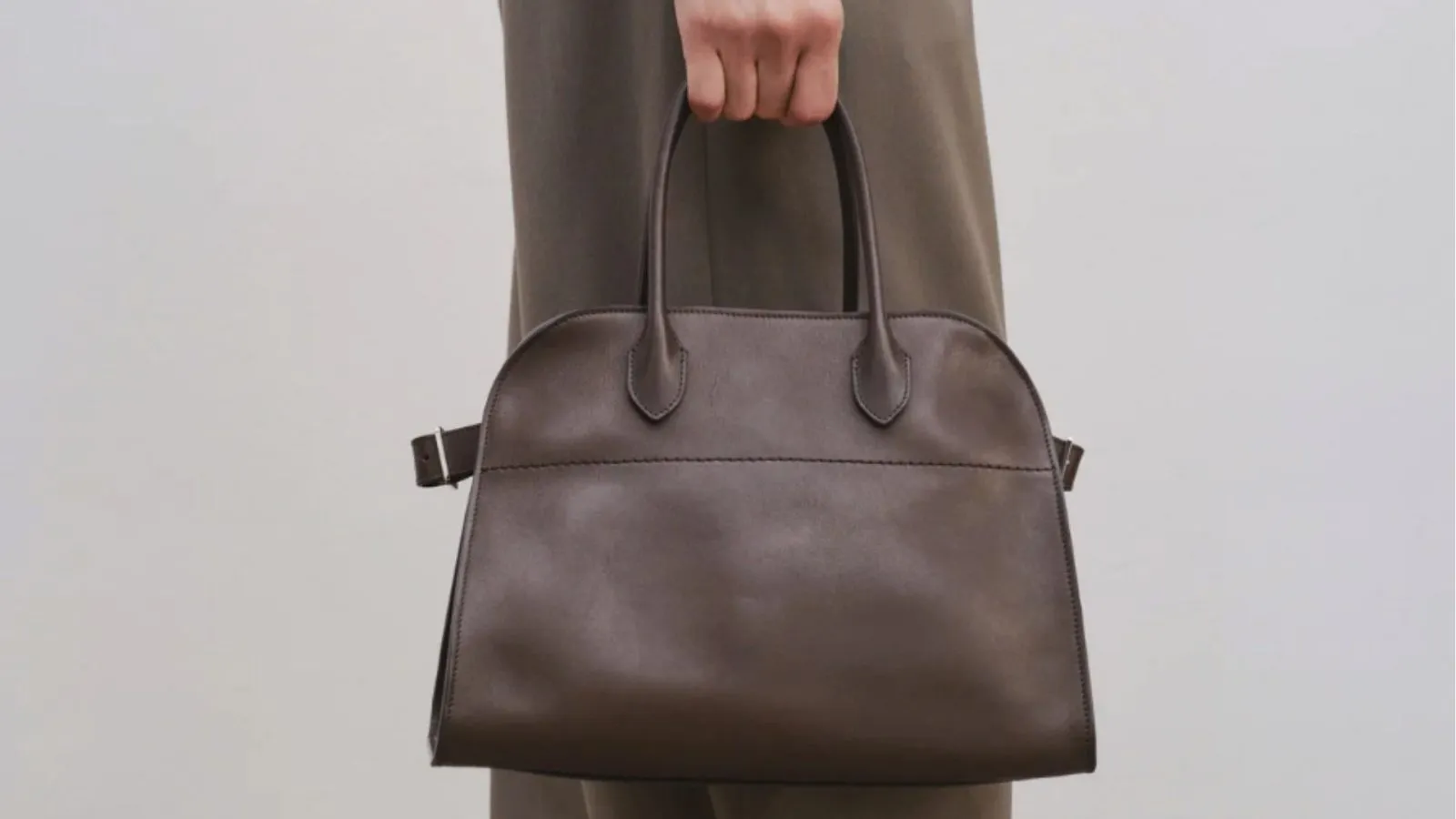
“Made in Italy” has long been shorthand for craftsmanship, quality and luxury. From handbags and belts to shoes and small leather goods, the label evokes visions of Tuscan workshops, master artisans, and a centuries-old tradition of leatherworking. Luxury houses proudly stamp it on their products, and consumers across the world associate it with authenticity and superior workmanship.
But as the global luxury and fashion markets expand, the reality of where “Made in Italy” leather goods are manufactured has become far more complex. Some products are truly crafted in small Italian ateliers; others are partly assembled in Italy; and some are produced using imported labor or semi-finished materials from outside the country. Understanding what “Made in Italy” legally means—and how brands use it—reveals a nuanced picture of modern leather manufacturing.
This article explains where “Made in Italy” leather goods are really made, the Italian regions responsible for genuine craftsmanship, and the role international supply chains play in shaping products that bear this iconic label.
What “Made in Italy” Legally Means
Under EU law, a product can be labeled “Made in Italy” if:
- Its final substantial transformation takes place in Italy, even if parts or materials were sourced elsewhere.
This means a brand can:
- Import leather hides from abroad
- Cut, stitch or assemble the product in Italy
- Package and finish it locally
- And legally mark it “Made in Italy”
As long as the final transformative step is completed within Italy, the label is allowed—regardless of where earlier steps occurred.
This legal flexibility is why “Made in Italy” manufacturing spans everything from high-end artisanal workshops to large-scale industrial factories employing international labor.
Where Genuine Italian Leather Craftsmanship Happens
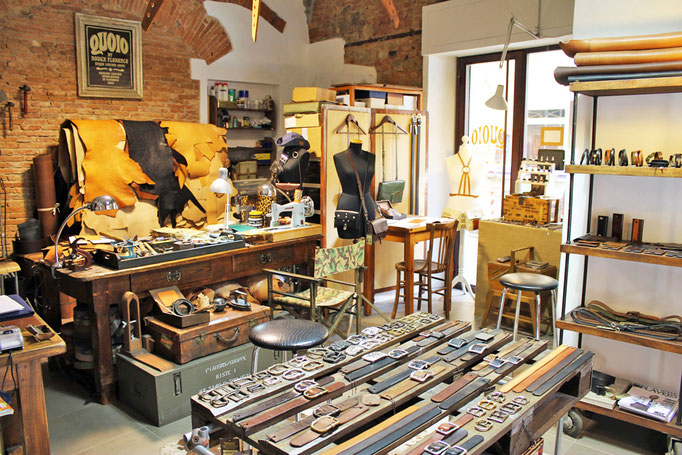
While the label can legally cover a wide range of scenarios, certain Italian regions remain true epicenters of heritage leathercraft. These districts have produced luxury leather for centuries and continue to house both luxury ateliers and global manufacturing hubs.
1. Tuscany – The Heart of Italian Leather (Florence, Scandicci, Santa Croce sull’Arno)
Tuscany is Italy’s most important leather district, home to:
- World-famous tanneries
- Luxury-goods factories
- Bottega Veneta, Gucci, Ferragamo and other heritage producers
- Generations of artisans specializing in handcrafting leather bags, belts and wallets
Scandicci, outside Florence, is the single largest luxury leather hub in Italy. Major luxury houses operate large workshops here, and hundreds of small subcontractors supply stitching, edge-painting, prototyping and finishing.
This region produces the majority of leather goods from Italy’s highest-end brands—and is considered the benchmark of genuine Italian craftsmanship.
2. Veneto – Venice, Vicenza & the Brenta Riviera Shoe District
Veneto is renowned for:
- High-end leather shoes
- Luxury handbags
- Fine leather finishing
- Specialist family-owned workshops
Brands like Bottega Veneta, Tod’s and Prada rely heavily on Veneto workshops. The region balances artisanal heritage with modern manufacturing and is a major source of “Made in Italy” footwear.
3. Marche – Italy’s Footwear Craft Capital
The Marche region is synonymous with luxury leather shoes. It’s home to:
- Handcrafted leather shoemakers
- Boutique factories producing small-batch collections
- Artisan families specializing in stitching, soles and finishing
Many “Made in Italy” leather sneakers, loafers and boots come from Marche.
4. Emilia-Romagna and Lombardy – Technical Leather Goods & Industrial Expertise
These regions combine:
- Precision manufacturing
- Strong fashion-supply chains
- Specialist leather-goods workshops
Brands often turn to these areas for structured leather goods, small accessories and specialized manufacturing needs.
But Not Everything Is Made 100% in Italy: The Role of International Labor and Outsourcing
The global leather-goods market has changed dramatically over the past 20 years. To meet high demand, Italy’s leather districts rely heavily on:
1. Imported Labor (especially artisans from China, Eastern Europe and North Africa)
Many highly skilled workers in Italian leather districts are immigrants who trained locally or brought expertise from their home countries. They work legally under Italian oversight, and their craftsmanship is exceptional. These goods are still authentically made in Italy—just not exclusively by Italian-born artisans.
2. Semi-Finished Components from Abroad
Materials often come from:
- South America (hides)
- Eastern Europe (lining materials)
- China (hardware, zippers, metal fittings)
- Asia (textiles and synthetics)
The final stitching, assembly or finishing occurs in Italy, which is enough for the label.
3. Subcontracting Within Italy
Luxury brands frequently outsource production steps to smaller workshops. While still within Italy, this means a brand’s bag might be made by multiple independent factories rather than one flagship atelier.
4. Low-Cost Production Abroad for Non-Luxury Lines
Some brands create budget lines in:
- Romania
- Turkey
- Albania
- China
- Portugal
These products do not carry the “Made in Italy” label, but they may appear in the same stores as the brand’s Italian-made items.
Understanding the Spectrum of “Italian-Made” Leather Goods
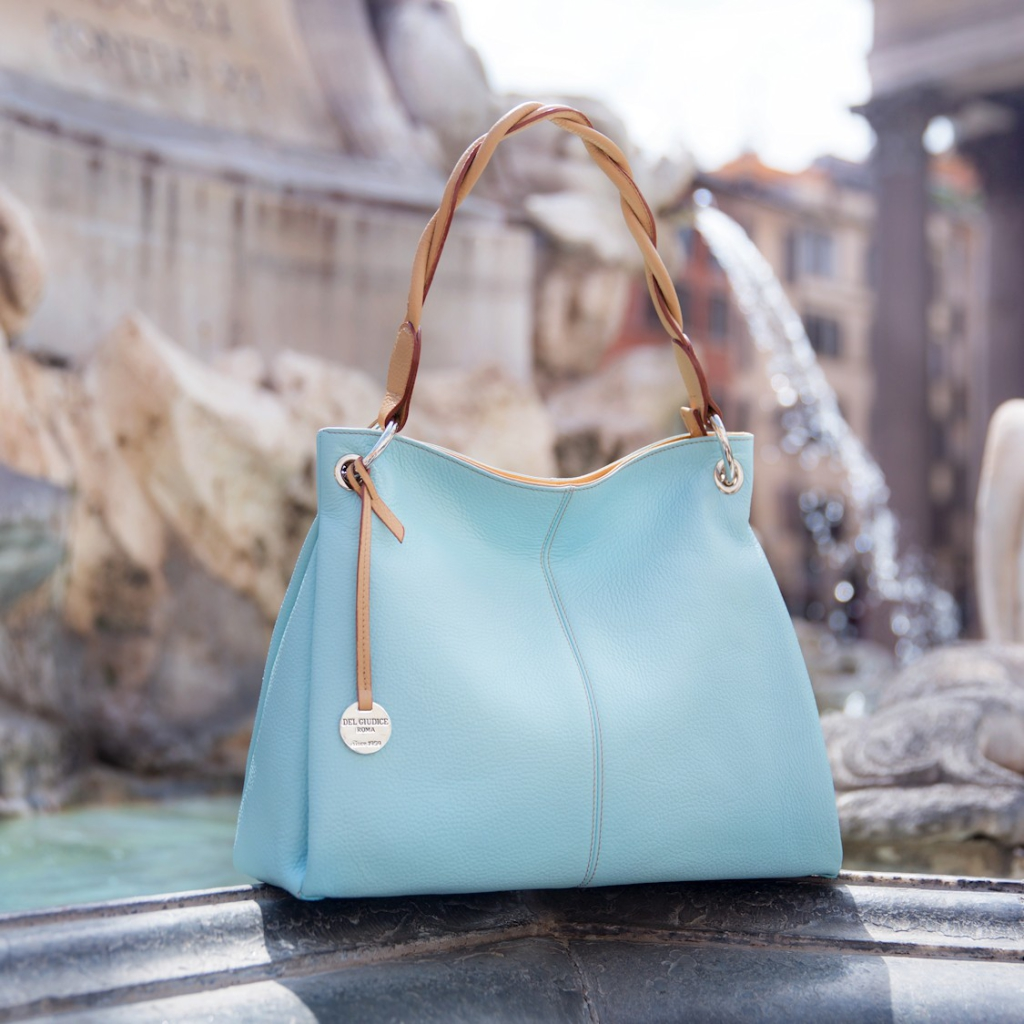
There are three broad categories of “Made in Italy” leather manufacturing:
1. True Artisan Made (High-End Luxury)
- Fully handcrafted in Italy
- High-skilled artisans (Italian and international)
- Luxury brands and heritage workshops
- Highest pricing
Examples: Bottega Veneta, The Row (Italian bags), Brunello Cucinelli, Loro Piana.
2. Industrial Made in Italy (Mid to High Tier)
- Large-scale factories in Tuscany, Veneto or Marche
- Semi-automated processes
- Skilled but standardized production
- Still strong quality
Examples: Many mid-luxury and contemporary brands.
3. Assembled in Italy Using Imported Components
- Materials imported
- Final stitching, assembly or finishing done in Italy
- Legally qualifies as “Made in Italy”
- Often found in affordable luxury or private-label collections
Examples: Some fashion-chain leather goods, duty-free products, and fast-luxury labels.
How Consumers Can Tell the Difference
While factories and brands rarely disclose exact details, these clues can help:
Price: Genuine Italian artisan leather rarely sells for under USD $250–$300 for small goods or $900–$1,500 for bags.
Craftsmanship: Hand-painted edges, straight stitching, and premium hardware indicate higher-quality Italian manufacture.
Brand Transparency: Luxury houses often highlight their factories and artisans. Lower-tier brands avoid specifics.
Region of Production: Products connected to Tuscany or Veneto are more likely to represent true artisan work.
Conclusion: “Made in Italy” Means Many Things—But Italy Remains the World’s Leather Capital
So where are “Made in Italy” leather goods really made?
The truth is layered:
- Some are crafted entirely by artisans in Tuscany and Veneto.
- Some are produced in large industrial factories within Italy’s leather districts.
- Some incorporate imported materials or international labor but undergo final transformation in Italy.
Regardless of which category they fall into, Italian manufacturing still carries a reputation for technical precision and beautiful finishing—something Italy continues to excel in globally.
“Made in Italy” remains one of the strongest markers of quality in the fashion world. But knowing the story behind the label helps consumers appreciate what they’re buying—and understand the incredible craft ecosystem that keeps Italy at the heart of luxury leather production.
Leave a Reply