Baby strollers and car seats may look simple from the outside, but behind every model lies a complex supply chain spanning engineering labs, textile mills, metal factories, plastics specialists, and global assembly lines. Many brands position themselves as European, premium, or safety-centric—but do they actually manufacture in Europe? Or are their products produced in China, Southeast Asia, or a mix of locations?
Manufacturing origin matters to many parents because it affects build quality, material consistency, safety standards, and pricing. But in today’s globalized world, even brands with European heritage often rely on Chinese or Southeast Asian factories for part—or sometimes all—of their production. Below is a detailed breakdown of where major stroller and car-seat brands are actually made.
Bugaboo – Netherlands Engineering, Global Manufacturing
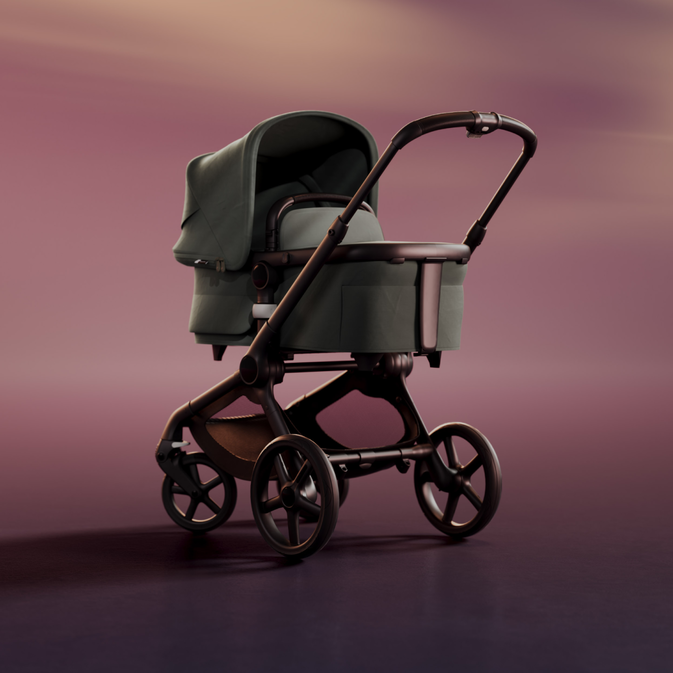
Bugaboo began as one of the few stroller companies that proudly designed and manufactured in the Netherlands. For years, their high-end models were assembled at their own Dutch facility. But as the brand expanded globally and scaled production, Bugaboo shifted much of its manufacturing to China, where it established a fully owned production plant to maintain quality control while increasing capacity.
Today, Bugaboo still designs in Amsterdam and maintains strict oversight, but most strollers and components are manufactured in Bugaboo-managed facilities in China. Some premium models may still involve partial European assembly, but the bulk of production now comes from Asia.
Cybex – German Design, Chinese Production

Cybex markets itself as a German design and safety brand. Its headquarters and design labs remain in Germany, and its car seats undergo rigorous crash testing and engineering development in Europe. However, the actual manufacturing takes place mostly in China, where the brand benefits from advanced plastics molding, harness assembly, and large-scale manufacturing capabilities.
This combination—European R&D with Chinese manufacturing—allows Cybex to keep its quality high while remaining price-competitive globally. Many of the brand’s bestselling seats, including the Cloud, Sirona, and Pallas series, are assembled in China under tight quality standards.
Nuna – Netherlands Design, Made in China
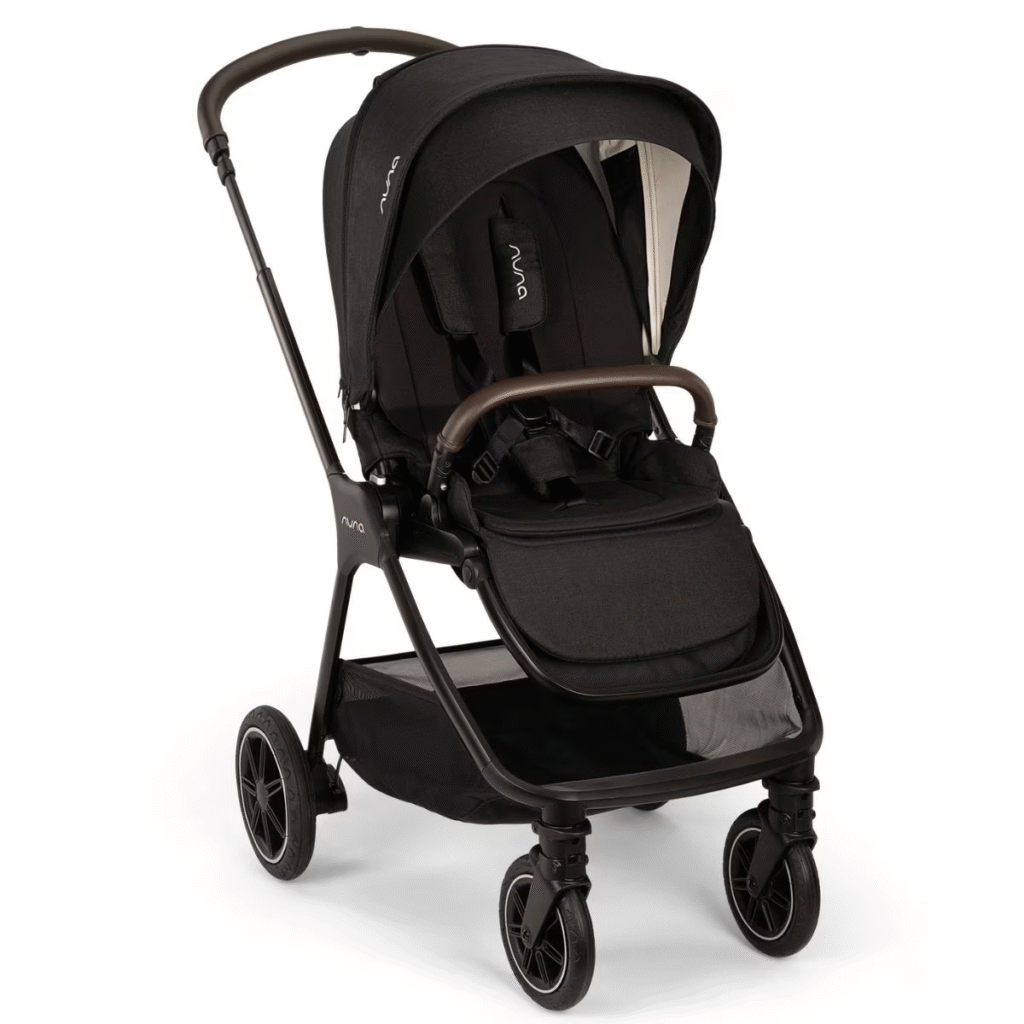
Nuna is another European-designed brand that consumers often assume is “made in Europe.” In reality, Nuna designs its gear in the Netherlands but manufactures most of its car seats, strollers, high chairs, and playards in China. This includes popular models such as the Nuna Mixx, Triv, and Pipa car seat series.
Nuna’s Chinese factories are known for higher-tier production, strong quality control, and robust safety testing. Their products consistently perform well in European crash-testing evaluations, demonstrating that Chinese manufacturing does not equal lower safety standards.
Joie – A Global Brand with Primarily Chinese Manufacturing
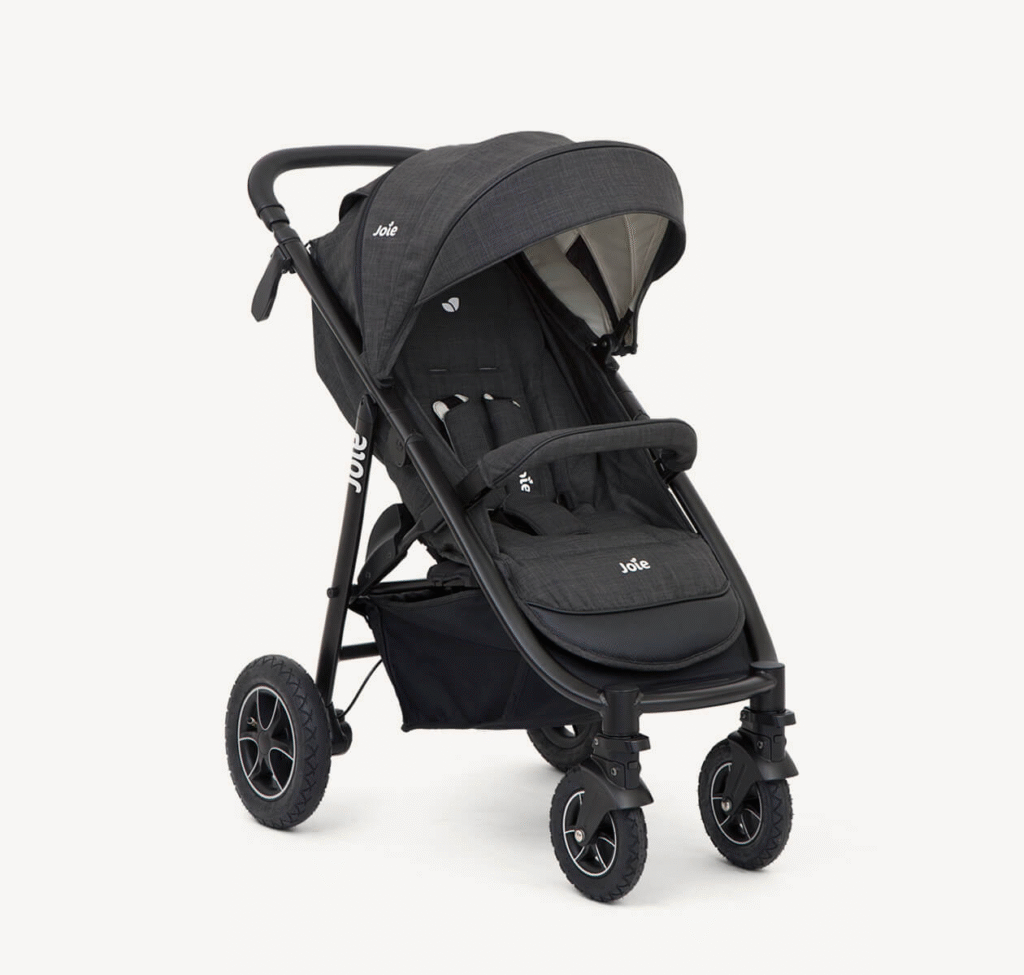
Joie, founded by the same parent company that owns Nuna, is built around affordability and accessibility. Unsurprisingly, Joie manufactures almost all of its strollers, car seats, and baby gear in China, leveraging the country’s extensive supply chain and low-cost scaling capabilities. Joie products meet European safety standards but prioritise value over premium material sourcing.
Though marketed globally (especially in the UK, Southeast Asia, and Europe), Joie is effectively a Chinese-manufactured brand with British/global distribution and European safety certification.
Maxi-Cosi – European Brand, Mixed Manufacturing
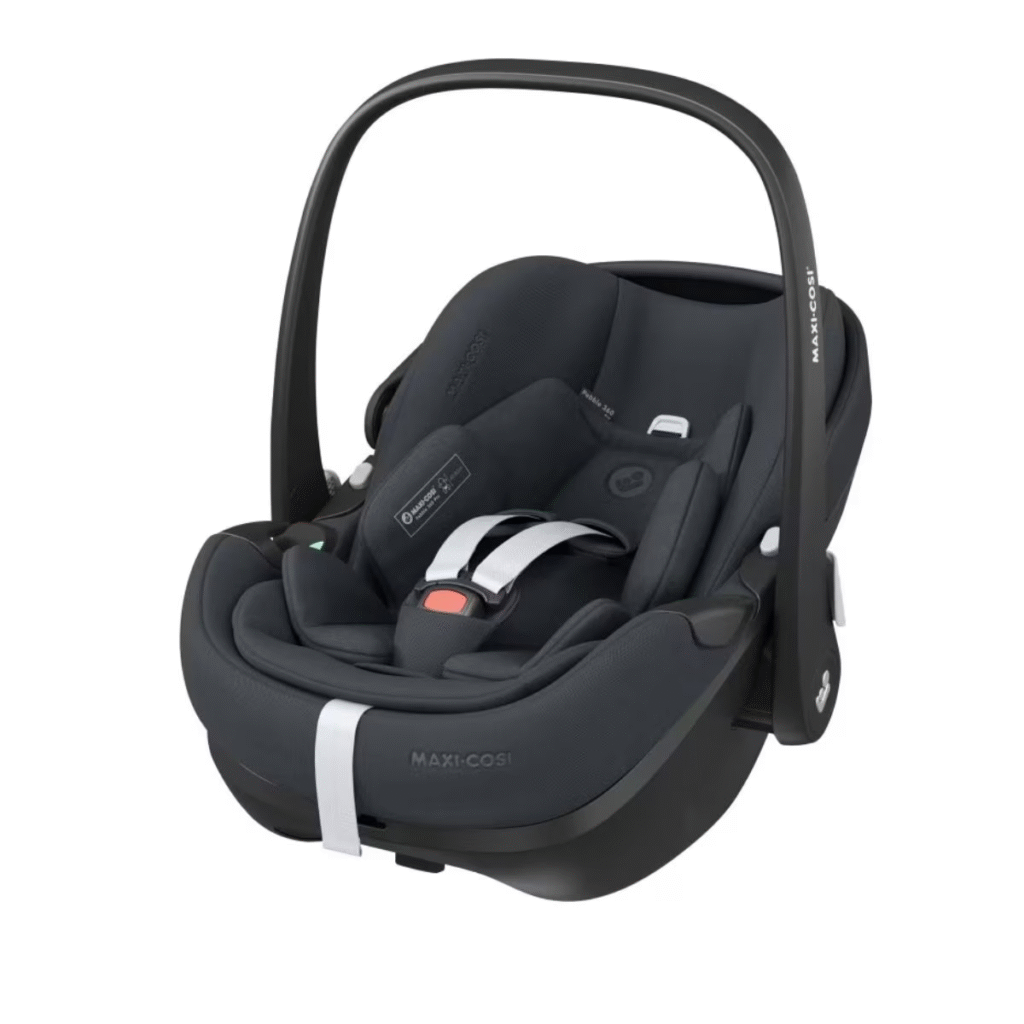
Maxi-Cosi is one of the few major car seat companies that still maintains manufacturing within Europe—but only for some products. Many of their premium or safety-critical car seat models are manufactured in Portugal, Netherlands, or France, reflecting the brand’s long EU heritage.
However, many stroller lines, lightweight products, and accessories are manufactured in China or other parts of Asia. Maxi-Cosi’s supply chain is therefore “hybrid”: European for top-tier car-seat shells and core engineering components, and Chinese for textile-heavy or more cost-sensitive lines.
Parents buying Maxi-Cosi gear can check the label: high-end car seats often proudly state “Made in Europe,” while strollers usually list China or surrounding manufacturing hubs.
Stokke – Norwegian Heritage with Global Production
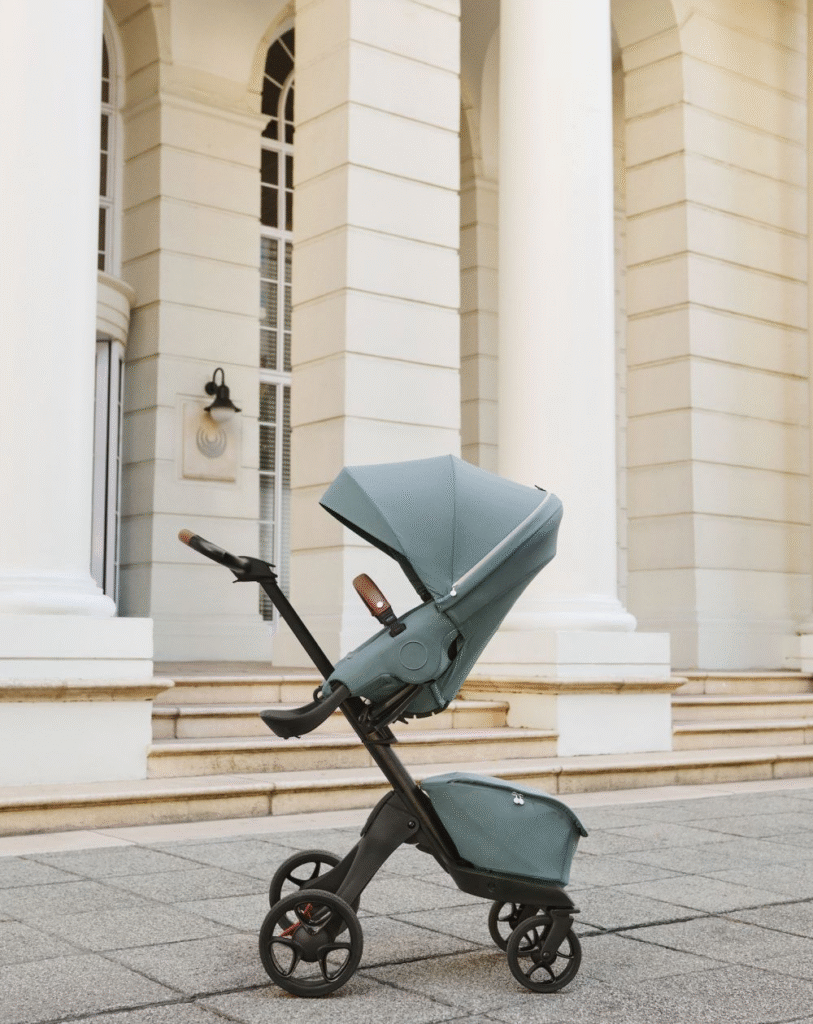
Stokke markets itself as a Scandinavian lifestyle brand, and its design DNA is unmistakably Nordic. But the manufacturing story varies by product.
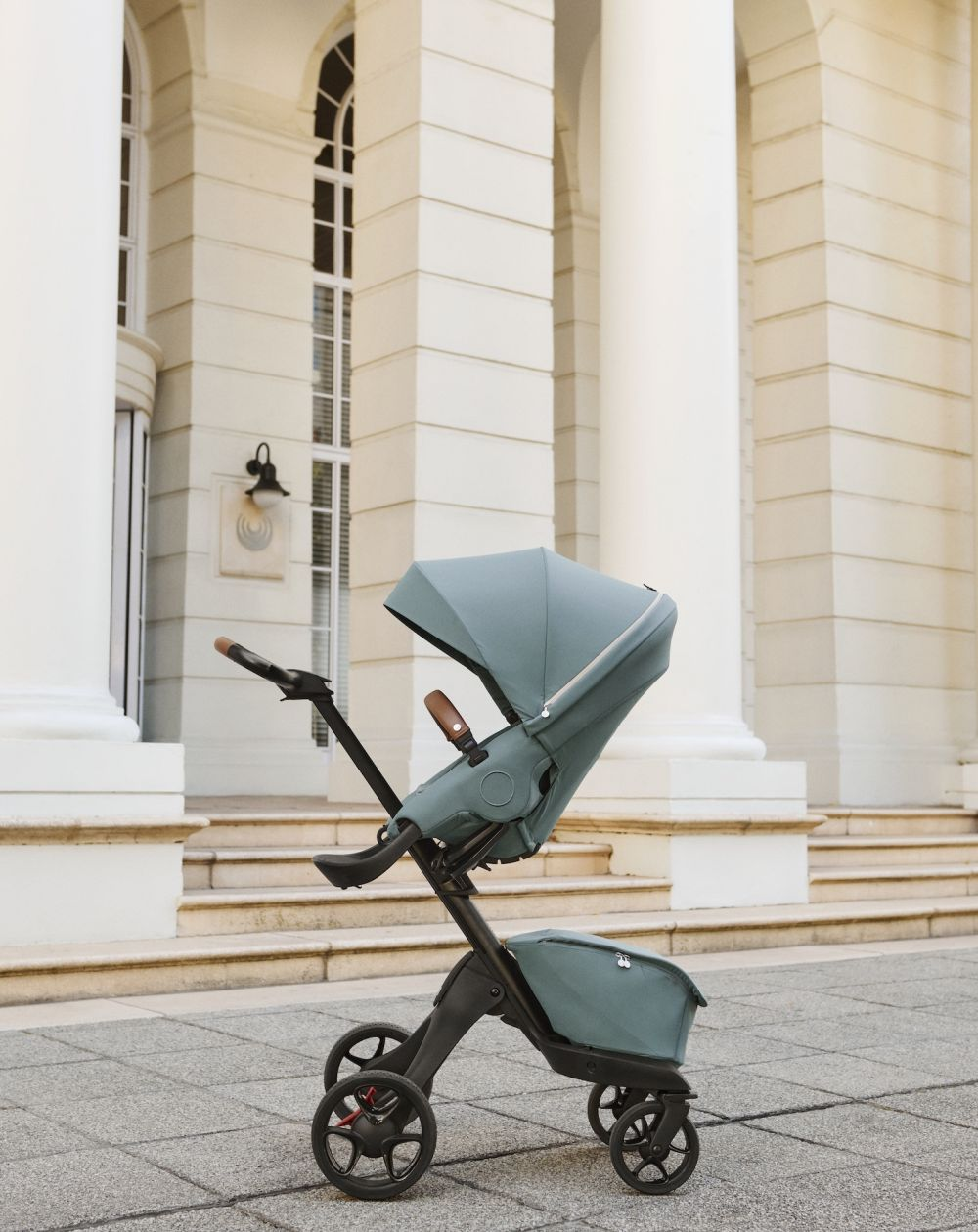
The iconic Stokke Tripp Trapp chair is still manufactured in Europe, primarily in Slovenia. However, Stokke strollers—including the Xplory, Trailz, and Beat—are largely manufactured in China. Textile components, wheels, plastic frames, and final assembly have been moved offshore to meet global demand.
Stokke maintains strict quality standards regardless of location, but only a portion of its catalogue remains European-made.
UPPAbaby – American Design, Chinese Manufacturing
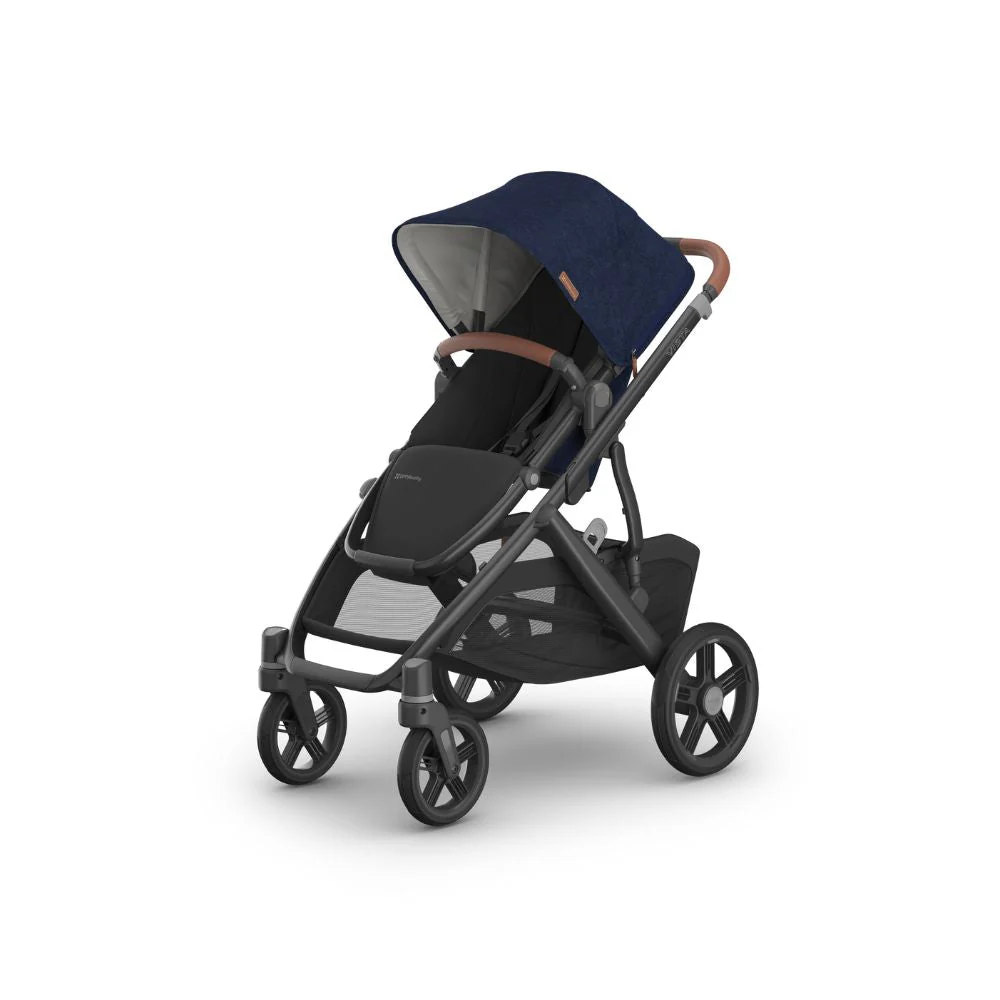
UPPAbaby is known for stylish, well-constructed strollers popular in the U.S. market. But despite strong American branding, the actual production of its flagship models—like the Vista, Cruz, and Minu—occurs in China. UPPAbaby works with specialized factories that produce to its specifications, focusing on build quality, durability, and textile precision.
Some high-end or limited-edition materials may be sourced elsewhere, but assembly and final production are overwhelmingly Chinese.
Britax Römer – One of the Few Still Largely Made in Europe
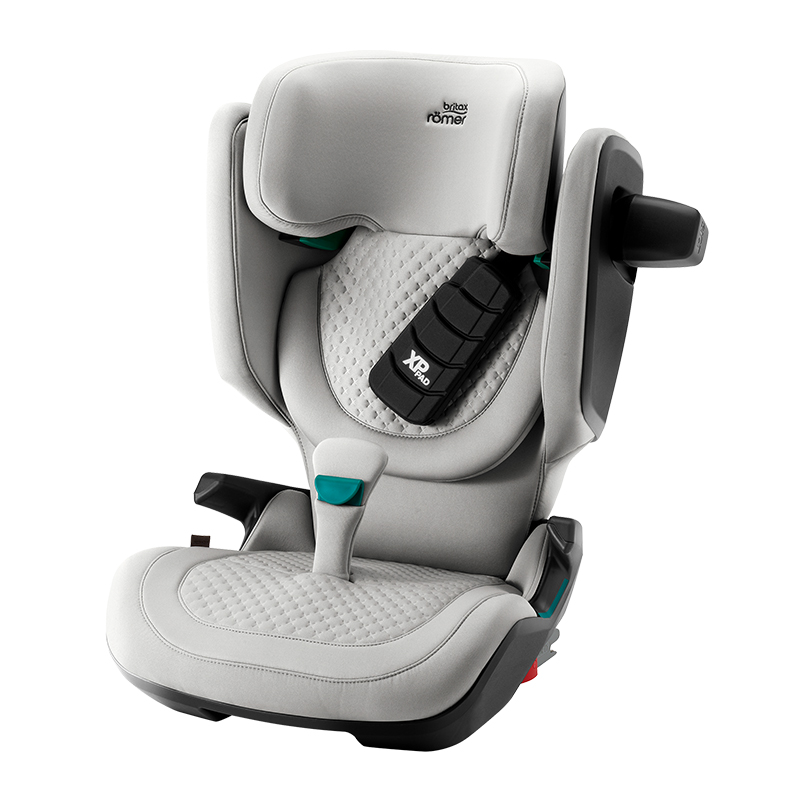
Britax is one of the last major car-seat brands with substantial European manufacturing, particularly for its Britax Römer division. Many of its safest models—including the Dualfix, Kidfix, and Baby-Safe series—are manufactured in Germany and the UK.
This European manufacturing allows Britax to maintain tight control over shell molding, crash-testing integration, and material sourcing. However, some strollers and lower-priced product lines may be manufactured in China.
Still, Britax remains one of the strongest examples of “Made in Europe” in the baby safety category.
Baby Jogger – American Brand, Chinese Production
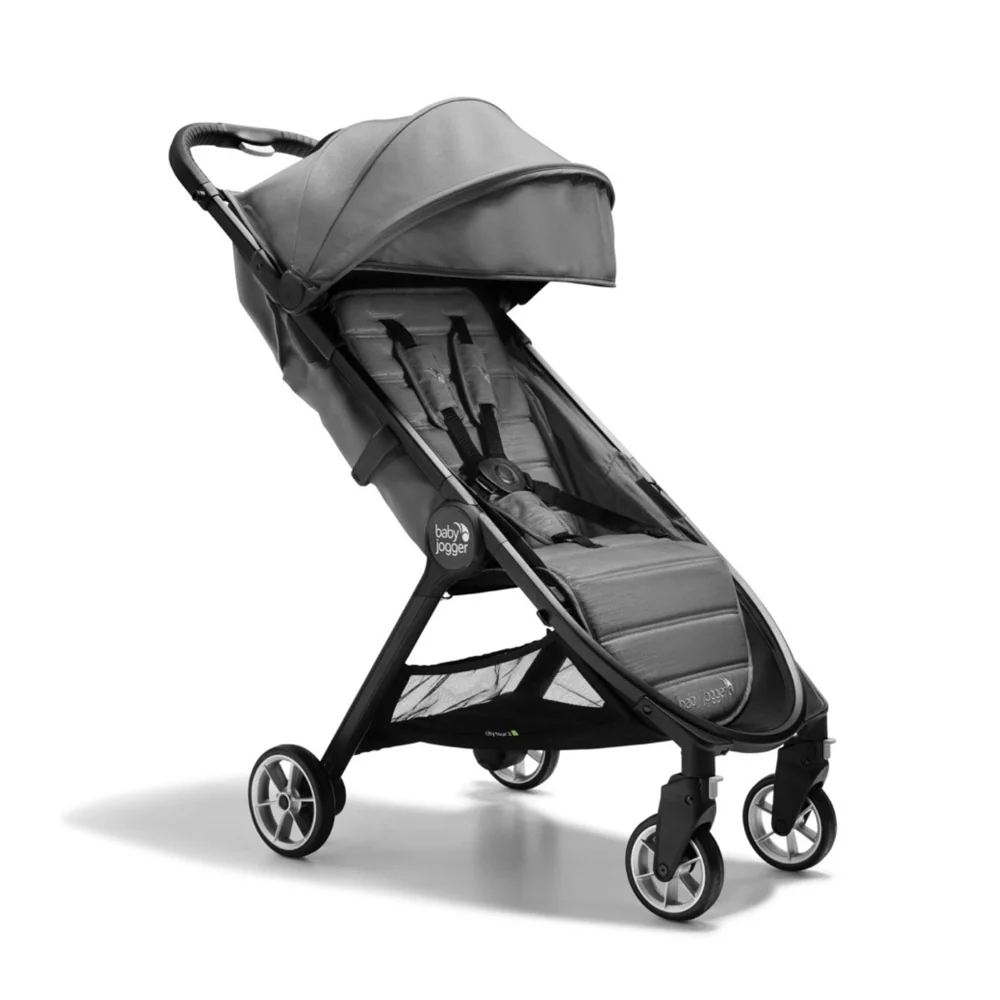
Despite its name, Baby Jogger no longer manufactures in the U.S. Most of its strollers—including the City Mini, City Select, and Summit series—are made in China. Baby Jogger’s plastics, aluminum frames, and textile components are sourced from Chinese suppliers, with final assembly in the same region.
The brand maintains strong durability and engineering standards, but manufacturing is fully overseas.
Thule – Swedish Design, Mixed Manufacturing
Thule is well known for its outdoor gear and strollers like the Thule Urban Glide. While Thule designs its baby gear in Sweden, its strollers and joggers are mostly manufactured in China, where factories specialize in large aluminum structures and sports-grade wheels. Some components for premium lines may still be produced or tested in Europe, but assembly is largely Asian-based.
Conclusion: Baby Gear Is Designed Globally but Manufactured Across the EU–China Spectrum
Baby stroller and car seat brands often evoke European heritage, premium safety, and high engineering standards—but most actually rely heavily on Chinese manufacturing. This is not inherently a negative. Many of the world’s best factories for plastics, textiles, and metal components are located in China, and top-tier brands maintain strict oversight and safety testing regardless of production location.
A few brands—like Britax Römer, Stokke (for furniture), and some Maxi-Cosi car seats—continue to manufacture significant amounts in Europe, usually highlighting this proudly. But the overwhelming trend is a hybrid model: design in Europe or the U.S., manufacture in China, and meet safety standards globally.
For parents, the best approach is to evaluate quality, safety scores, durability, and brand oversight, rather than origin alone. Manufacturing location tells part of the story—but manufacturing standards tell the rest.