
Book printing has become a globalized industry shaped by cost, speed, logistics, and technological capability. While authors and readers often imagine books being printed close to home, the truth is far more complex.
Today’s publishing supply chain stretches across continents, and most publishers—whether major New York houses, independent presses, or self-published authors—choose their printing locations based on a mix of cost efficiency, paper availability, print quality, and distribution needs.
Among the most common printing hubs are the USA, China, Singapore, and Malaysia. Each region has distinct advantages, and understanding how they fit together explains why modern book printing is spread across the globe.
USA
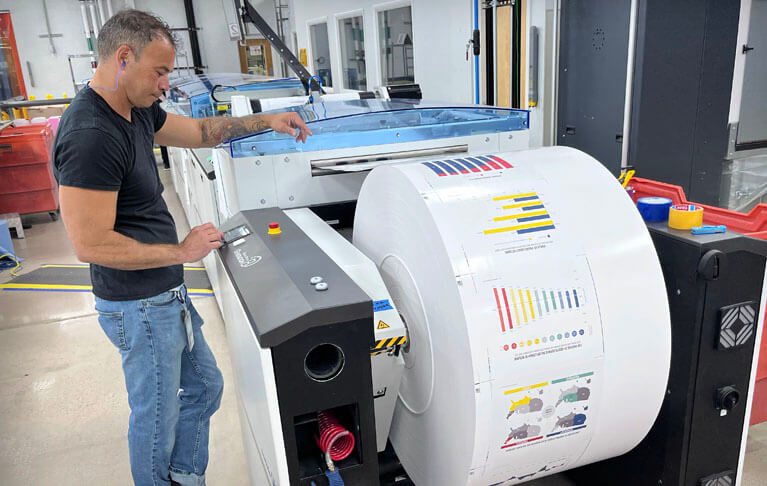
In the United States, printing remains strong but increasingly specialized. Historically, the U.S. dominated book printing for American publishers because of proximity, speed, and a mature manufacturing base.
Today, however, rising labor costs, limited paper supply, and aging printing facilities have shifted much of the long-run color printing and high-volume production overseas. U.S. printers now focus heavily on short-run digital printing, print-on-demand services, and high-speed offset production for black-and-white interiors. Companies like IngramSpark, Amazon KDP, and Lightning Source rely on U.S. plants to print and ship POD books quickly to American readers.
The USA remains crucial for domestic distribution—but no longer prints the majority of mass-market books sold in the country.
China
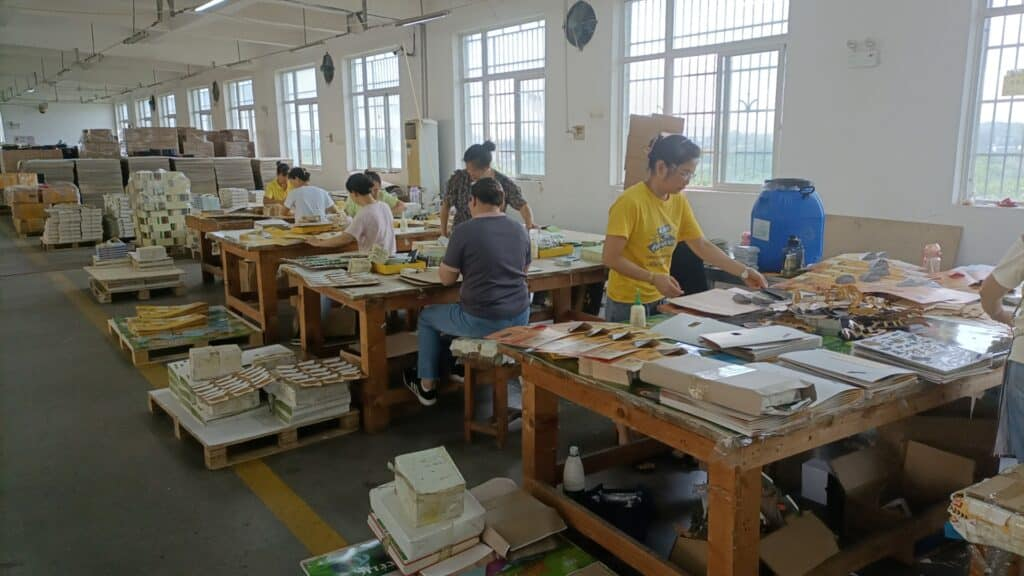
China, on the other hand, has become the global powerhouse of book printing. With expansive printing infrastructure, industry-leading color printing capabilities, low manufacturing costs, and ready access to paper mills, China produces a substantial portion of the world’s physical books.
Most major publishers, particularly for children’s books, full-color titles, photo books, art books, and coffee-table books, rely on Chinese printers. The combination of cost-efficiency and quality makes China the preferred choice for long-run print jobs.
Even self-published authors often turn to Chinese book manufacturers for large offset print runs because the per-unit pricing can be significantly lower than in Western countries.
Despite geopolitical tensions and rising shipping costs, China continues to dominate global book manufacturing due to scale, expertise, and competitive pricing.
Singapore
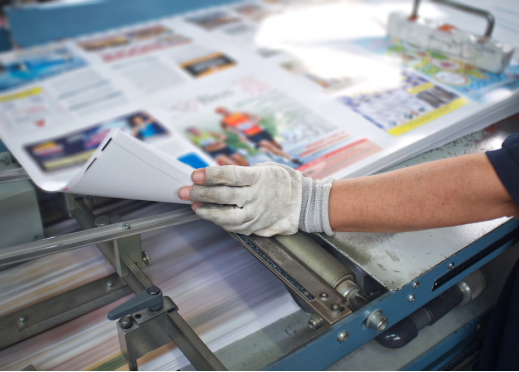
Singapore occupies a unique place in the printing world. Though geographically small, it has developed a reputation for producing extremely high-quality, durable books with superior color accuracy.
Singapore’s printing houses are frequently chosen for high-end corporate publications, museum catalogs, limited-edition art books, and luxury coffee-table books. The country’s focus on quality and precision attracts publishers who require meticulous color reproduction. A key factor is reliability: Singapore printers deliver excellent consistency and adhere to exacting production standards, making them ideal for premium titles.
However, Singapore’s higher labor and operating costs mean it cannot compete with China for long-run economic printing. Instead, it fills a specialty niche for publishers who prioritize excellence over cost.
Malaysia
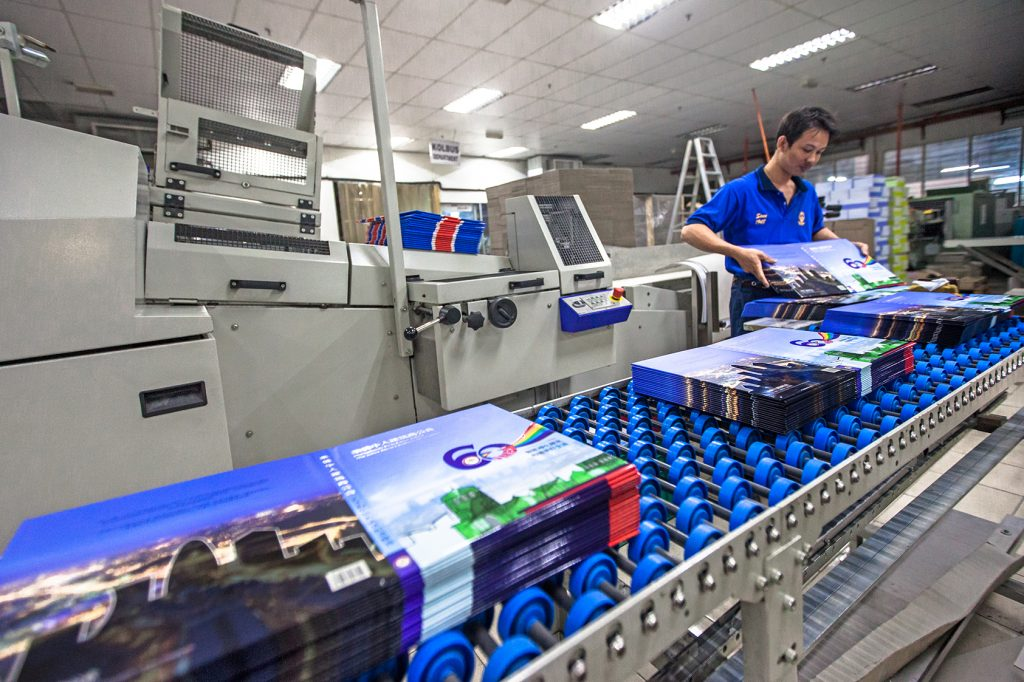
Malaysia, by contrast, is emerging as the quiet middle ground between China and Singapore. With lower production costs than Singapore and improving print-quality standards, Malaysia has become an increasingly attractive option for publishers seeking affordability without the longer lead times associated with China.
Malaysian book printers often handle educational books, workbooks, trade paperbacks, and mid-range color titles. Their proximity to Singapore also results in shared technology and printing expertise. As a result, Malaysia is growing quickly as a regional printing hub, especially for Southeast Asia, Australia, and internationally distributed English-language books.
For many publishers, Malaysia represents a strategic alternative when they want modern facilities but prefer to diversify away from China.
Comparisons
When comparing these four regions, it becomes clear that the question is not simply “Where are most books printed today?” but rather “Where does each type of book get printed most?”
Different genres and formats gravitate toward different countries. Mass-market paperbacks and standard black-and-white books sold in the U.S. are increasingly printed locally using POD networks because domestic logistics matter more than manufacturing costs. Full-color children’s books and art books are still dominated by China due to cost and capability. High-end illustrated books often go to Singapore for superior accuracy and finish. Educational books and medium-volume runs often find their way to Malaysia thanks to balanced pricing and reliable output.
Global shipping infrastructure also plays a major role. China’s established logistics networks make it easy for publishers to ship large volumes worldwide at competitive rates. The U.S. POD networks are built around fast domestic delivery, which matters for ecommerce-driven sales. Meanwhile, Singapore and Malaysia serve as key distribution hubs for Asia-Pacific markets, giving publishers flexibility depending on their primary customer base.
Environmental considerations are beginning to influence printing choices as well. Some publishers prefer the reduced carbon footprint of domestic POD printing, while others still choose overseas manufacturing because offset printing in large quantities reduces waste. Sustainability certifications, recycled paper stock, and eco-friendly inks are increasingly offered across all regions, but Singapore and Malaysia are particularly known for strong environmental compliance due to stringent regulations and international printing standards.
Ultimately, the majority of the world’s high-volume printed books still come from China, especially those requiring full-color illustration and long-run offset printing. However, the USA remains essential for print-on-demand and rapid distribution, Singapore continues to lead in premium art-book printing, and Malaysia is rising quickly as a cost-effective hybrid alternative. Each location has carved out its own niche based on strengths, costs, and printing technology.
For authors and publishers, choosing where to print depends on budget, desired quality, shipping timelines, edition size, and target market. Understanding these regional differences ensures smarter decisions—whether you’re a global publishing house or an independent creator trying to balance cost with craftsmanship. As the publishing world continues to evolve, these four printing hubs will remain central to the global production of books.



One Comment