When you walk through a department store perfume hall, you’ll see dozens of luxury fashion houses represented—Gucci, Burberry, Chloé, Marc Jacobs, Hugo Boss, Calvin Klein, Miu Miu, and more. Each brand projects an aura of exclusivity and creative expression. Yet behind this elegant façade lies one of the fragrance industry’s biggest open secrets: most fashion houses do not manufacture their own perfumes.
Instead, global beauty giants handle formulation, production, bottling, regulatory compliance, and worldwide distribution. And among these conglomerates, Coty Inc. stands as one of the largest and most influential players. Coty is responsible for producing some of the world’s most iconic designer fragrances, powering the scent portfolios of top-tier luxury houses.
Understanding which fashion houses rely on Coty reveals the true structure of the fragrance world—where artistry and branding originate with the fashion label, but the chemistry, manufacturing, and global reach come from a centralized powerhouse.
This article breaks down which luxury fashion house perfumes Coty produces, why the licensing model dominates the fragrance industry, and how Coty shapes the future of prestige scent.
Who Is Coty? The Fragrance Titan Behind Global Luxury Perfumes
Coty Inc., founded in 1904, has grown into one of the largest beauty companies in the world. Headquartered in New York, Coty operates a vast portfolio spanning luxury fragrances, mass-market scents, skincare, and cosmetics. However, its strongest and most profitable division is prestige fragrance, supported by a global network of perfumers, laboratories, production facilities, glass manufacturers, and retail distributors.
Coty owns and operates enormous fragrance plants in France, Italy, Monaco, the U.S., and Spain. These facilities produce hundreds of millions of bottles annually for designer brands. The company also works with leading fragrance houses—Givaudan, Firmenich, IFF, and Symrise—to create formulas for luxury brands.
When a fashion house wants to expand into perfume, rather than building its own laboratories, it typically signs a long-term licensing agreement with Coty. Coty then handles everything from sourcing jasmine absolute to packaging, shipping, and stocking shelves at Sephora.
Gucci: One of Coty’s Most Powerful Luxury Licenses

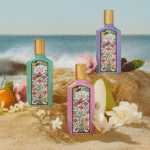
One of Coty’s crown jewels is Gucci, one of the world’s most culturally influential luxury houses. Coty produces every Gucci fragrance, including:
- Gucci Bloom
- Gucci Guilty
- Gucci Flora
- Gucci Mémoire d’une Odeur
- Gucci The Alchemist’s Garden
Gucci sets the creative direction and bottle design, while Coty develops and manufactures the formulas in its European facilities. Many Gucci scents are composed by master perfumer Alberto Morillas in partnership with Coty’s creative team.
This relationship has elevated Gucci into one of the top-selling designer fragrance brands globally.
Burberry: A Coty-Produced British Icon
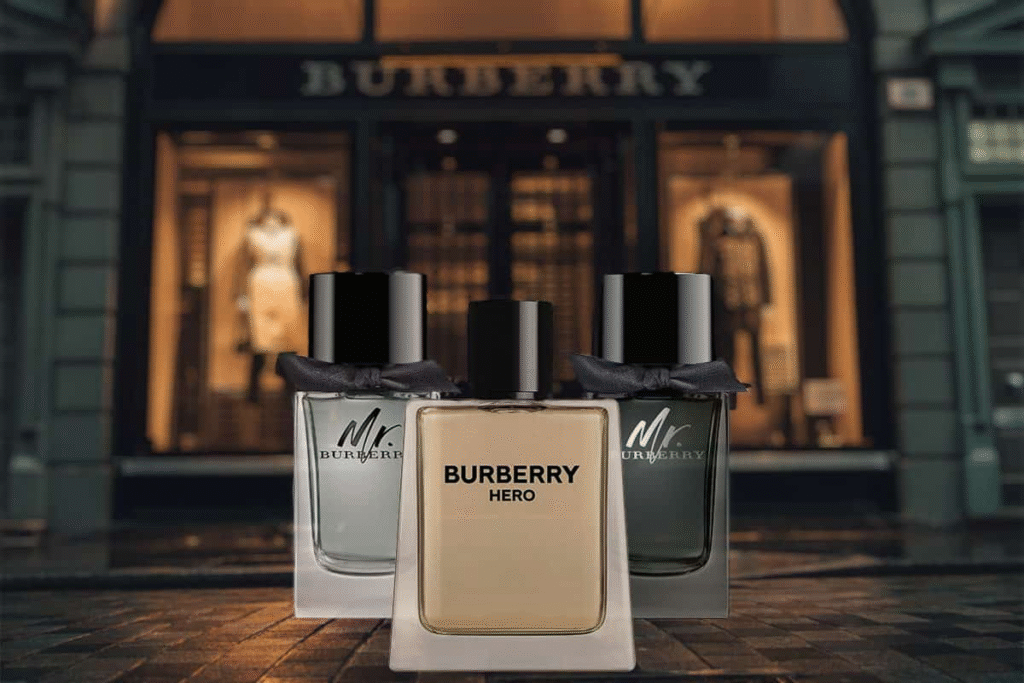
Burberry fragrances have long been popular for their classic British style and signature modern floral and aromatic blends. Since Coty acquired P&G’s fragrance division, Burberry perfumes—including Burberry Her and Burberry Brit—have been produced under Coty oversight.
Coty’s expertise has helped Burberry modernize its fragrance identity, especially with the launch of Burberry Her, one of the best-selling fruity-floral scents of the decade, composed by Francis Kurkdjian.
Chloé: Romantic French Luxury Made by Coty
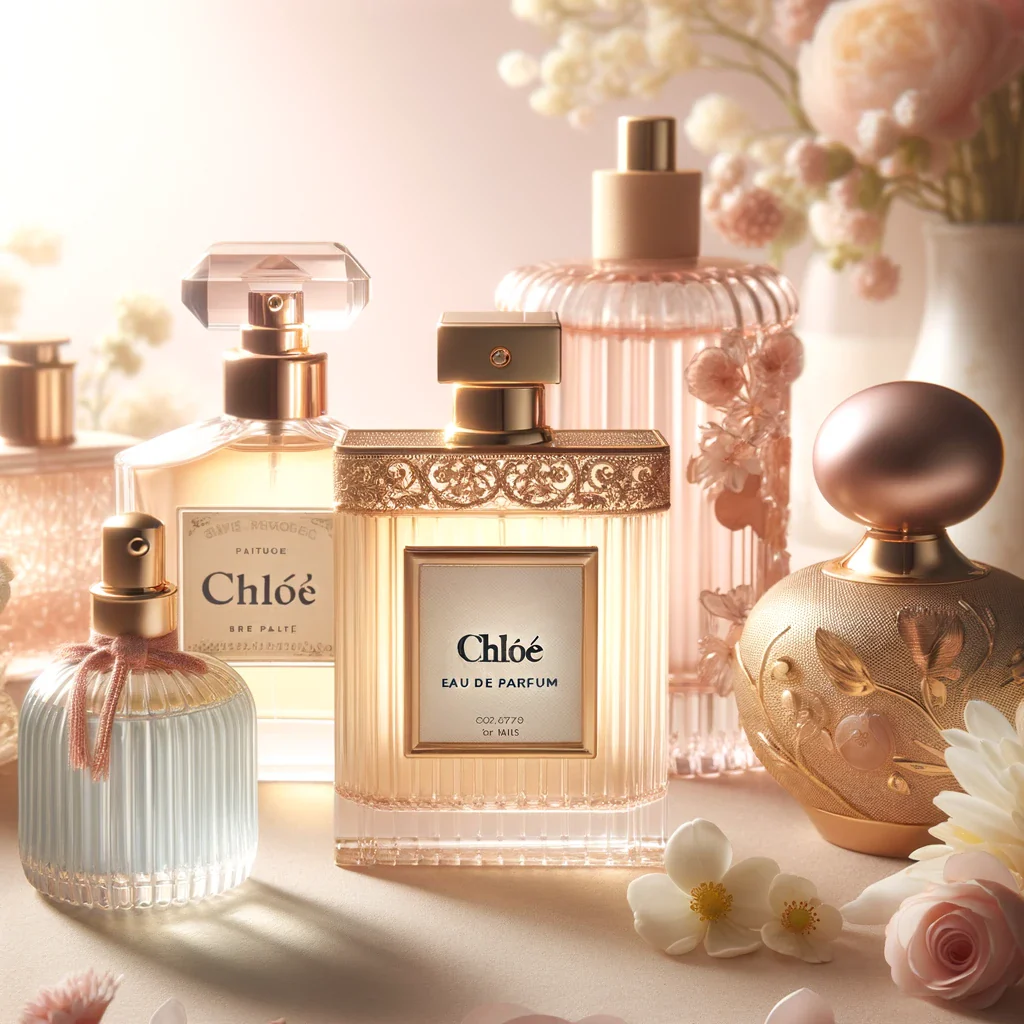
Chloé’s perfume line is synonymous with feminine elegance, rose-centric compositions, and minimalist French femininity. Coty manufactures all of Chloé’s fragrances, including:
- Chloé Eau de Parfum
- Chloé Nomade
- Atelier des Fleurs
Chloé perfumes are produced primarily in Coty’s French plants, aligning with the brand’s Parisian heritage.
Marc Jacobs: Fashion Playfulness Meets Coty Manufacturing Precision

Marc Jacobs is one of Coty’s most commercially successful fragrance lines. Scents like Daisy and Perfect have become worldwide bestsellers, especially among younger audiences. Coty manages everything from sourcing natural floral absolutes to producing the whimsical bottle designs Marc Jacobs fragrances are known for.
Daisy alone has become a cultural icon, thanks to Coty’s ability to manufacture at scale without compromising quality.
Miu Miu: Prada’s Sister Brand, Manufactured by Coty
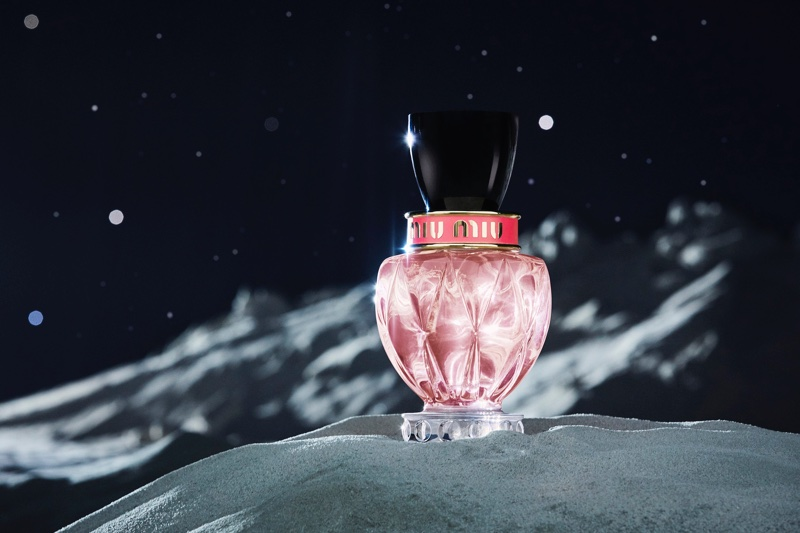
While Prada’s main fragrance license belongs to L’Oréal, its youthful sister label Miu Miu is produced by Coty. Miu Miu perfumes—playful, retro, and powdery—are manufactured in Coty’s European facilities and often composed by star perfumer Daniela Andrier.
This makes Miu Miu a unique case: one fashion group, two fragrance partners.
Hugo Boss: Coty’s Masculine Fragrance Powerhouse
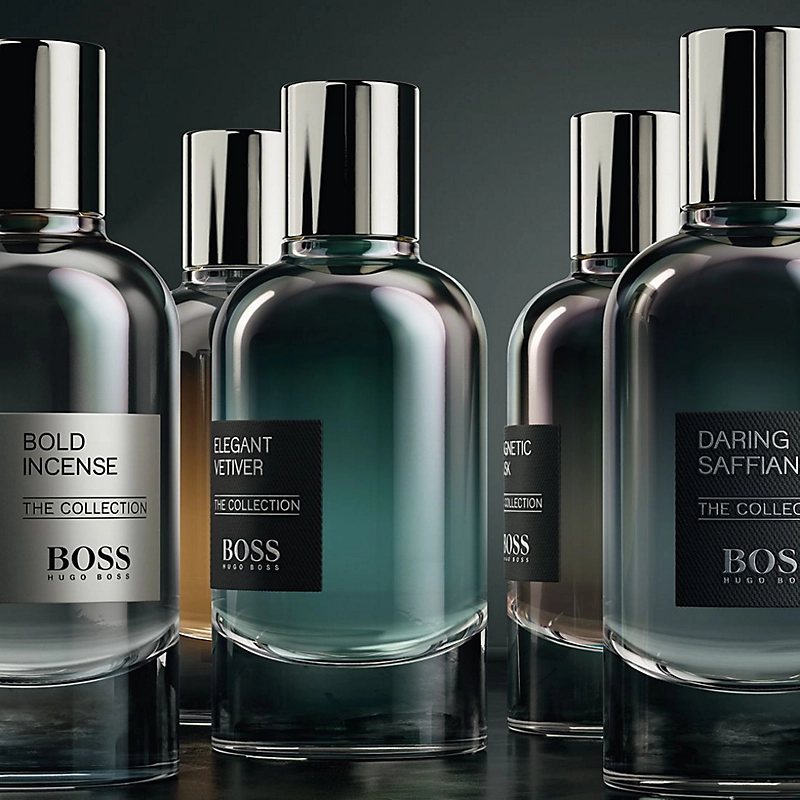
Hugo Boss fragrances have long dominated the men’s designer fragrance market. Coty produces the entire Hugo Boss line, including:
- Boss Bottled
- Boss The Scent
- Hugo Man
These fragrances benefit from Coty’s ability to formulate clean, wearable aromatic blends at global scale. Boss Bottled has become one of the best-selling men’s fragrances in history thanks to Coty’s consistent production and distribution.
Calvin Klein: A Coty-Owned Fragrance Mega-Brand
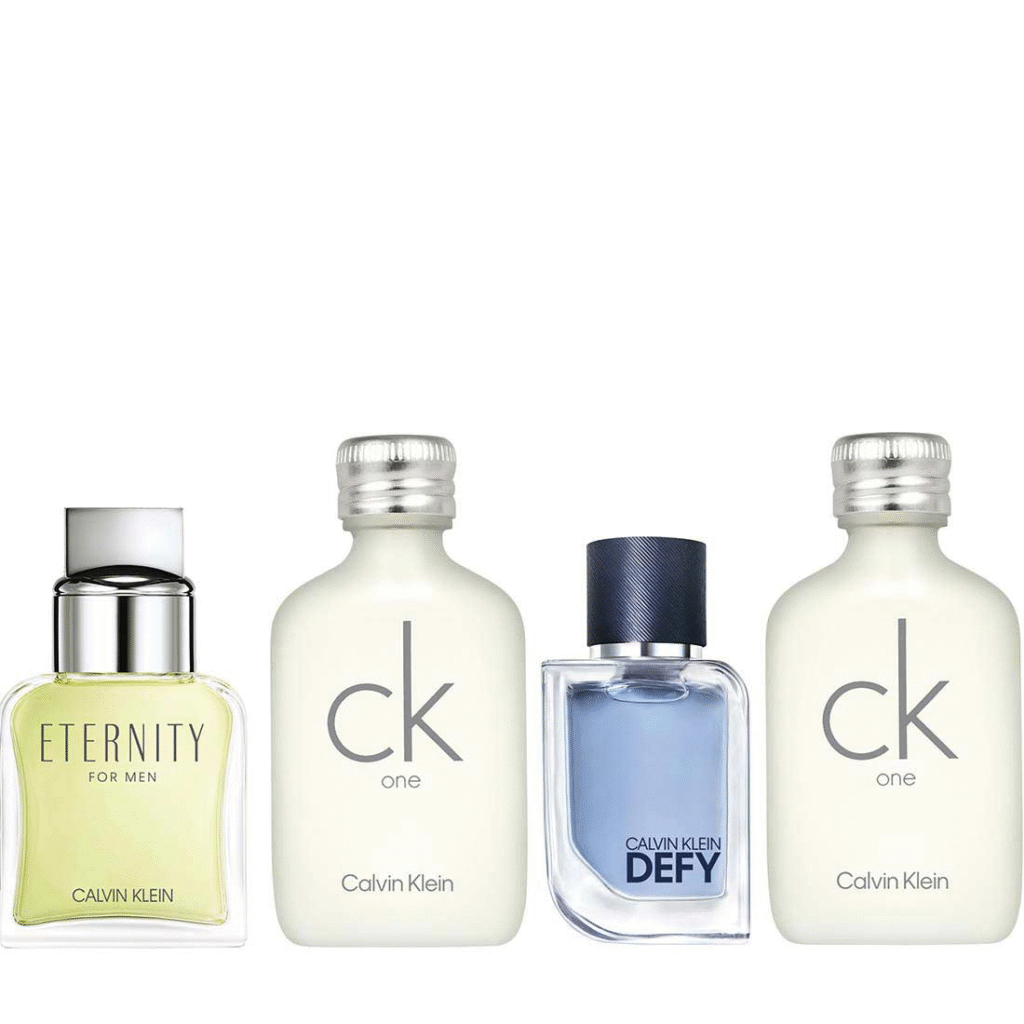
Calvin Klein is one of the biggest fragrance names Coty controls. CK One, Eternity, and Obsession have become global iconic scents, recognized across generations. Even after fragrance trends changed, Coty’s marketing and reformulation strategies kept Calvin Klein relevant in modern perfumery.
Coty produces CK fragrances in huge volumes, primarily in Spain and France, where the company operates some of Europe’s largest perfume-bottling facilities.
Davidoff, Lacoste, and Other Prestige Fashion Houses Under Coty
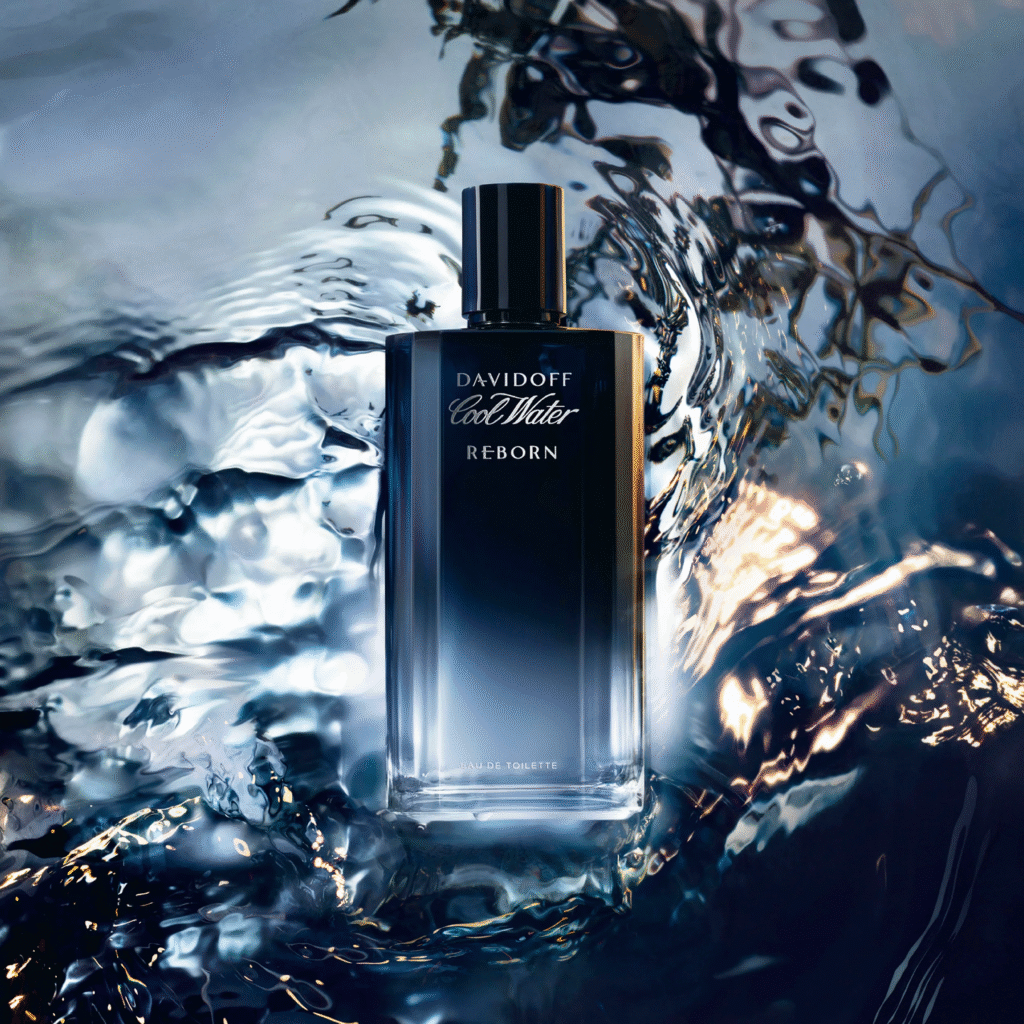
Coty also manufactures perfumes for several long-standing designer brands, including:
- Davidoff (Cool Water series)
- Lacoste (Lacoste Blanc, Pink, and L.12.12 series)
- Escada (seasonal limited editions)
- Mugler (partial portfolio, depending on region)
- Bottega Veneta (heritage scents)
- Jil Sander
Each brand’s positioning influences how Coty crafts the fragrances: fresher aromatic profiles for Lacoste, marine masculines for Davidoff, tropical fruity florals for Escada.
Up-and-Coming Luxury Partnerships

Coty has also secured newer prestige licenses, including Kylie Jenner’s beauty fragrances and collaborations with fashion influencers and celebrities. While these franchises fall outside the traditional luxury-house model, they show how Coty continues to expand its reach by producing scents for trend-driven, high-demand personalities.
Why So Many Luxury Fashion Houses Rely on Coty
The dominance of Coty in high-end fragrance production comes down to expertise, scalability, and cost efficiency. Producing perfume at global scale involves far more than mixing ingredients. Coty handles:
- access to the world’s best perfumers
- R&D labs specialized in molecule testing
- European regulatory compliance
- industrial-scale bottling lines
- global shipping infrastructure
- long-term shelf-stability testing
- ingredient sourcing and sustainability tracking
Fashion houses, even the richest ones, rarely want to invest in this infrastructure. By licensing to Coty, they gain immediate entry into global beauty markets without the overhead of chemical labs or factories.
This model lets designers focus on creative direction—campaign visuals, bottle aesthetics, scent storytelling—while Coty ensures the product meets strict safety and quality standards.
Coty vs. Its Competitors: Why This Matters
Coty is one of the “Big Three” fragrance producers, alongside L’Oréal and Estée Lauder. Understanding which brand works with which conglomerate helps consumers understand why certain scents feel similar in quality or style.
For example:
- Gucci (Coty)
- YSL, Valentino, Armani (L’Oréal)
- Tom Ford, Le Labo, Jo Malone (Estée Lauder)
This network explains industry trends and how certain notes or bottle concepts evolve across brands under the same parent company.
Conclusion: Coty Is the Hidden Force Behind Many Luxury Perfumes
So which luxury fashion houses rely on Coty to produce their perfumes?
The list includes:
- Gucci
- Burberry
- Chloé
- Marc Jacobs
- Miu Miu
- Hugo Boss
- Calvin Klein
- Davidoff
- Lacoste
- Escada
- Jil Sander
- Bottega Veneta
—and several emerging designer brands.
Coty’s ability to translate fashion identity into scent, while operating one of the world’s most advanced fragrance-production infrastructures, makes it an indispensable partner for luxury labels. Behind each designer bottle lies Coty’s global supply chain, scientific expertise, and production mastery.
For consumers, knowing who truly makes luxury-brand perfumes adds a layer of transparency—and helps demystify how the fragrance world works behind the scenes.

One Comment