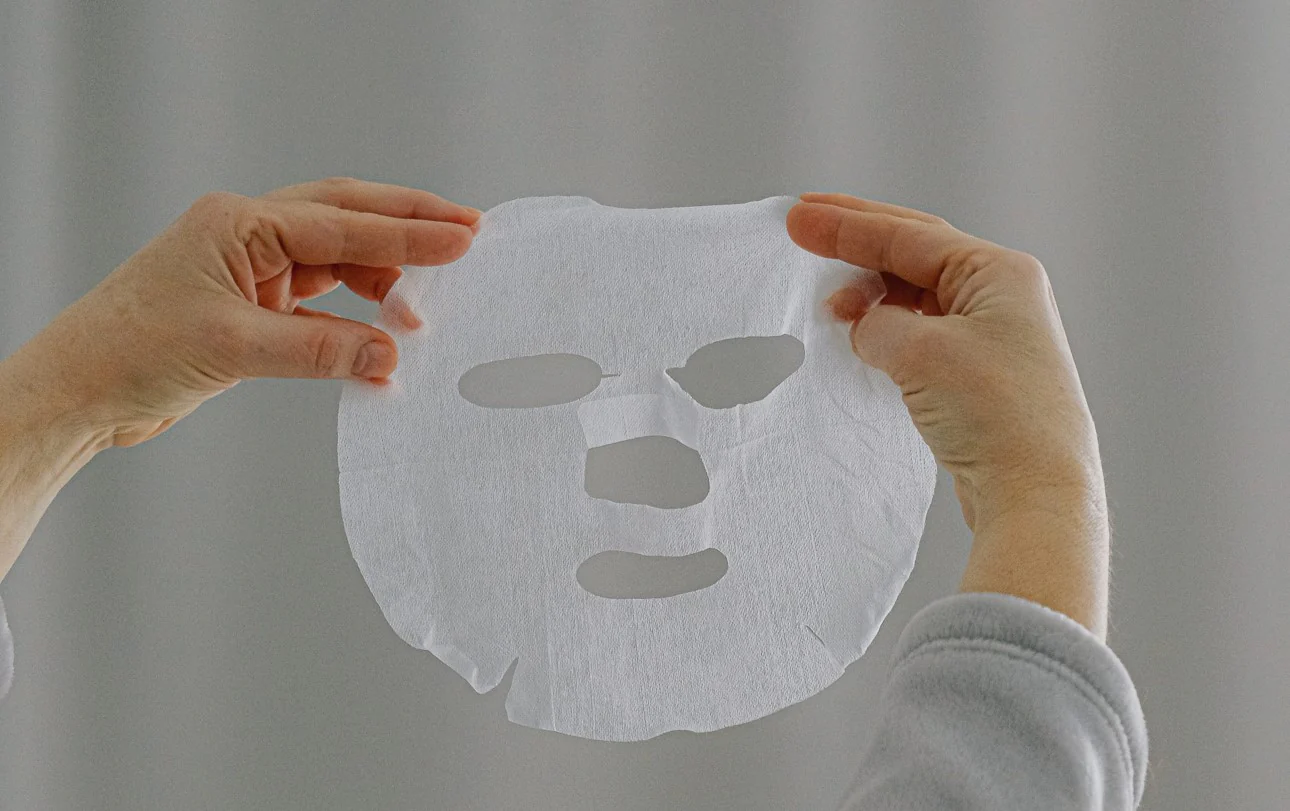
Korean sheet masks have become a global skincare staple. With their playful packaging, innovative ingredients and affordable price points, they’re often seen as the heart of the K-beauty movement. Yet few people know who actually makes these masks. Are they all manufactured in Korea? Are global beauty brands producing them in the same factories? And how much of the “Korean” identity comes from marketing versus true manufacturing?
The answer is complex—and far more interesting than most consumers realize. This article breaks down the real manufacturers behind Korean sheet masks, the OEM/ODM industry that powers K-beauty, and what it means for quality, authenticity and global distribution.
Korea’s Sheet Mask Boom: Built on OEM & ODM Powerhouses
The vast majority of sheet masks, even those from famous brands, are not produced by the brands themselves. Instead, they’re manufactured by OEM (Original Equipment Manufacturer) and ODM (Original Design Manufacturer) companies—specialized cosmetic factories that develop formulas, produce mask materials, impregnate sheets, package products and ship them worldwide.
Korea is home to some of the world’s most advanced beauty OEM/ODM companies. These manufacturers produce sheet masks not only for Korean brands but also for global Western and Asian skincare companies that want “K-beauty” products in their lineup.
These factories are the true engines behind the Korean sheet mask phenomenon.
The Major Korean OEM/ODM Manufacturers Behind Sheet Masks
Below are the manufacturers most responsible for producing sheet masks labeled as “Korean” around the world. Many consumers have never heard of them—but industry insiders know they shape the entire global sheet mask market.
1. Kolmar Korea – One of the Industry’s Original Innovators
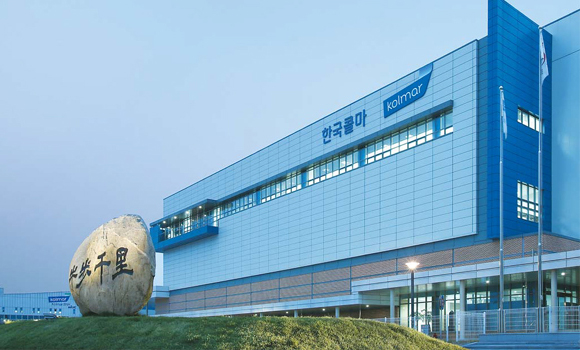
Kolmar Korea is one of the largest and oldest ODM manufacturers in the country. They create sheet masks for both premium and budget-friendly brands.
Kolmar is known for:
- High-capacity mask production
- Expertise in active-ingredient absorption
- Ability to customize sheet materials (cotton, Tencel, biocellulose, etc.)
- Partnerships with both Korean and international brands
If you pick up a sheet mask in Olive Young, Sephora K-beauty sections or Amazon, there’s a good chance Kolmar made it.
2. Cosmax – Producing for Korean & Global Beauty Giants
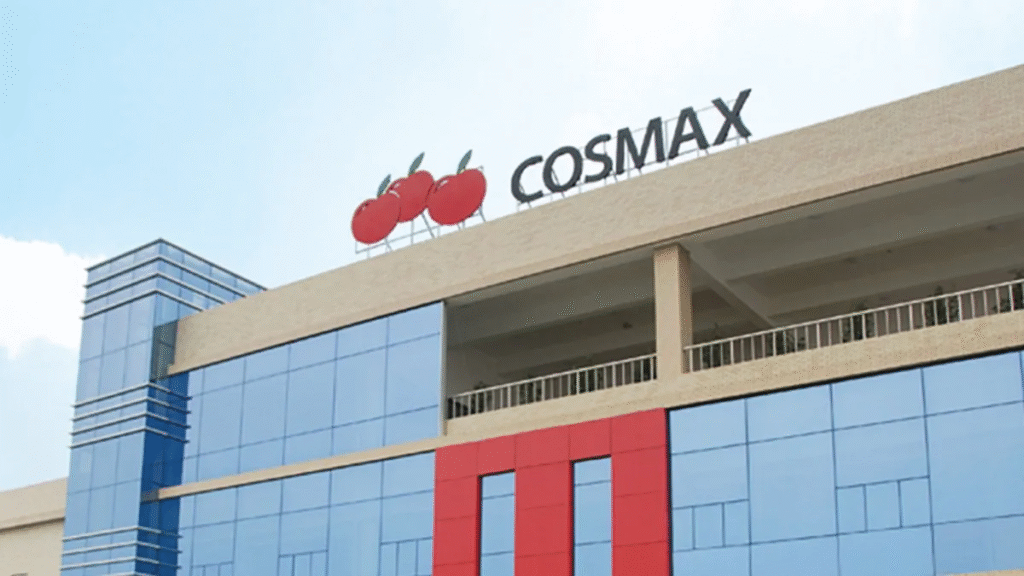
Cosmax is another mega-manufacturer responsible for producing cosmetics for thousands of brands. They are heavily involved in sheet mask R&D, creating:
- Advanced serum formulations
- Vegan and biodegradable sheet materials
- High-speed manufacturing lines for global orders
Cosmax produces sheet masks for Korean road-shop brands, Western retailers and even private-label companies in China, the U.S. and Europe.
3. Cosmecca – A Top Supplier for K-Beauty Startups
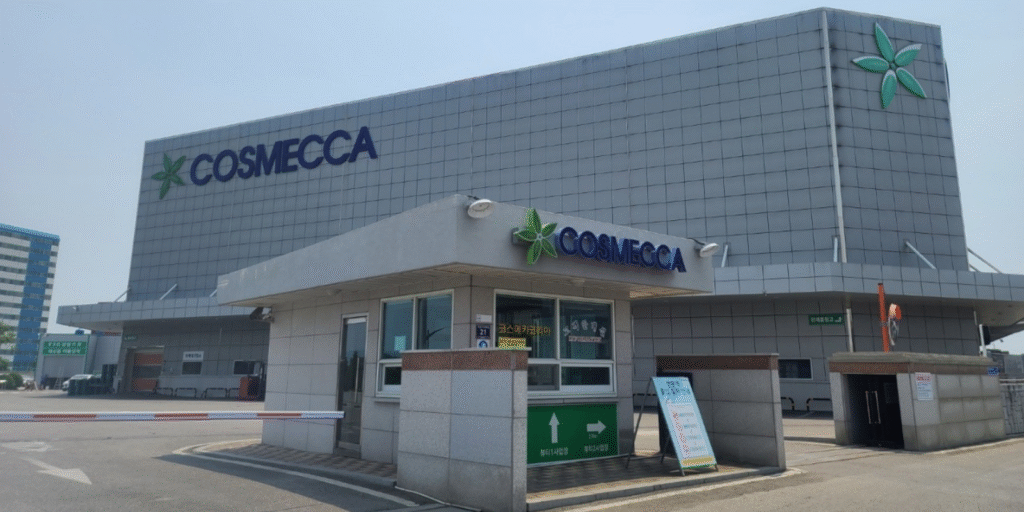
Cosmecca specializes in supplying indie and rapidly growing K-beauty brands with sheet mask formulations. They are known for:
- Trend-driven ingredients (cica, snail mucin, mugwort, etc.)
- Customizable sheet mask solutions
- Faster production timelines compared to larger competitors
Many e-commerce sheet mask brands rely on Cosmecca for white-label or semi-customized manufacturing.
4. TCI Co., Ltd. – Sheet Mask Manufacturer for Taiwan & Korea Markets
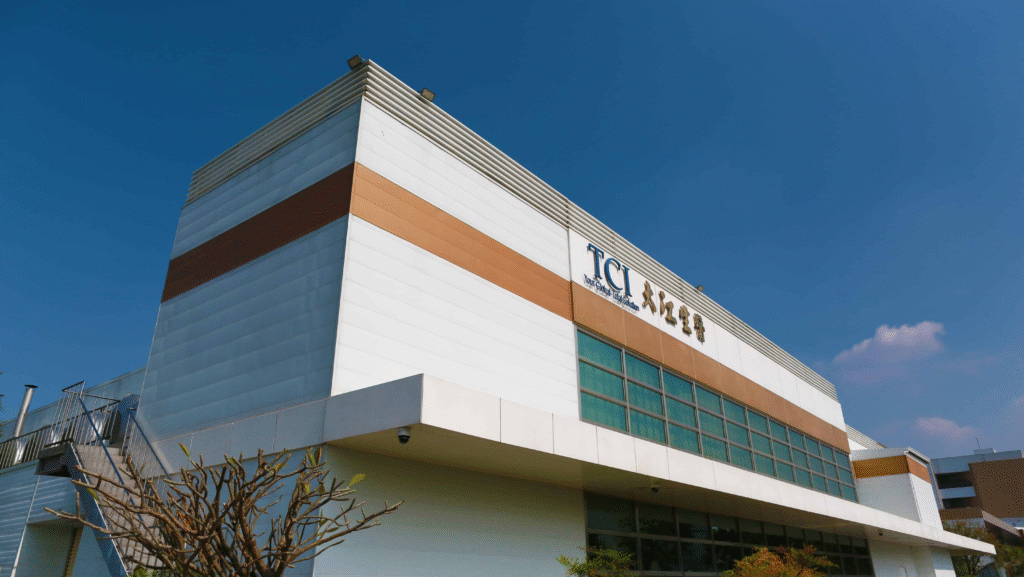
Though headquartered in Taiwan, TCI operates K-beauty-focused facilities and supplies many “Korean-style” sheet masks to global markets. They’re known for:
- Hydrogel sheet masks
- Biocellulose masks
- High-efficiency production for export
Many masks sold in the U.S. and Southeast Asia are actually manufactured by TCI even when positioned as “Korean-inspired.”
5. BioCell Korea – Specialist in Biocellulose Masks
BioCell Korea focuses on premium biocellulose and fermented sheet materials. Their masks often retail at higher price points due to:
- Enhanced adherence
- Greater serum absorption
- Cooling and soothing properties
High-end dermatology clinics and esthetician brands source from BioCell Korea.
6. Korean Private-Label Sheet Mask Factories (Small to Mid-Sized)
Across Incheon, Gyeonggi-do and the Seoul outskirts, dozens of small and mid-sized sheet mask factories produce millions of masks for:
- Retail chains
- Duty-free shops
- Subscription boxes
- Tourism-driven K-beauty lines
- “Viral TikTok skincare brands”
These factories often offer fast turnaround times and low MOQ (minimum order quantities), making them popular with overseas entrepreneurs.
Are All “Korean” Sheet Masks Actually Made in Korea?
Not always.
While many are made in Korea, a significant number of “K-beauty” sheet masks are manufactured in:
- China (often by Korean-owned factories)
- Taiwan
- Malaysia
- Thailand
Some brands design formulas in Korea but outsource production to lower-cost factories elsewhere to meet global demand.
The packaging will typically say:
- “Made in Korea”
- “Made in PRC (China)”
- “Made in Taiwan”
- Or simply include a country-of-origin code
Consumers rarely notice—or may assume “K-beauty” automatically means “made in Korea.”
Why Brands Outsource Sheet Mask Manufacturing
Brands choose Korean OEMs and ODMs because these factories:
Have deep expertise in soak-and-delivery systems: Sheet masks require precise serums, viscosity control and absorption testing.
Possess high-speed production lines: Factories can produce hundreds of thousands of masks per day.
Offer customizable formulas: Brands can choose:
- Sheet material
- Essence type
- Scent
- Packaging
- Vegan/clean options
Meet international regulatory standards: Korean manufacturers comply with U.S., EU, and ASEAN cosmetic regulations—making export easier.
Keep costs low: Even premium masks cost relatively little to produce at scale.
For these reasons, global beauty companies—from drugstore brands to Sephora labels—often rely on Korean manufacturers even if their branding doesn’t emphasize K-beauty.
Examples of Brands That Use Korean OEM Sheet Mask Manufacturers
While exact manufacturer lists are rarely disclosed due to NDAs, Korean OEM/ODMs have confirmed that they supply:
- U.S. drugstore skincare brands
- European retail private labels
- Japanese personal-care companies
- TikTok-born beauty brands
- Major K-beauty names sold in Olive Young
- Luxury spa and esthetician lines
In short: many sheet masks worldwide—not just Korean brands—are produced by Korean manufacturers.
Why Sheet Masks Are Usually OEM Products Rather Than In-House Products
Sheet masks require:
- Specialized machinery
- Controlled humidity manufacturing
- Serum-soaking stations
- High sterilization standards
- Heat-sealed, hygienic packaging
Most beauty brands do not have this equipment. Contract manufacturers, however, do—and their business model depends on scaling production for many client brands simultaneously.
How to Tell Who Manufactured Your Sheet Mask
You can look for hints on the packaging:
1. Country of Origin
If it says “Made in Korea,” it likely comes from a Korean OEM factory.
2. Registration Address
Some brands list the factory address in Korean, which you can look up.
3. Certification Logos
Korean OEM masks often carry:
- ISO 22716 (Good Manufacturing Practices)
- Vegan or cruelty-free certifications
- KFDA functional cosmetics labels
4. Lot Number or Factory Code
Some codes correspond to specific OEMs, though not publicly disclosed.
Conclusion: The Real Makers Behind Korean Sheet Masks Are the OEM Factories Powering Global Beauty
So, who actually manufactures the “Korean” sheet masks sold worldwide?
Not the brands, but a sophisticated network of Korean OEM and ODM companies known for innovation, quality, and scale. Factories like Kolmar Korea, Cosmax, Cosmecca and BioCell Korea supply millions of sheet masks every month—not just for Korean brands but for global beauty companies seeking high-performance facial masks.
Understanding this manufacturing system reveals the real secret behind the success of Korean sheet masks: world-class production expertise combined with fast-moving innovation.