Hermès occupies a unique place in the luxury world. Known for its craftsmanship, equestrian heritage, and iconic leather goods, the French maison maintains a reputation for meticulous attention to detail across every product category. But among its most beloved offerings is a quieter, more artistic division: Hermès Parfums.
From the earthy sophistication of Terre d’Hermès to the whimsical charm of Twilly d’Hermès and the luminous freshness of the Un Jardin collection, the brand has built a fragrance portfolio that rivals dedicated perfume houses. Unlike many designer fragrances that are outsourced to large conglomerates, Hermès fragrances are developed and manufactured by the brand’s own in-house perfumery division.
This article explores who makes Hermès fragrances, how they’re produced, where they’re manufactured, and why Hermès is one of the rare houses controlling every aspect from formula creation to bottling.
Hermès Makes Its Own Fragrances—A Rare Level of Control in Luxury Perfumery
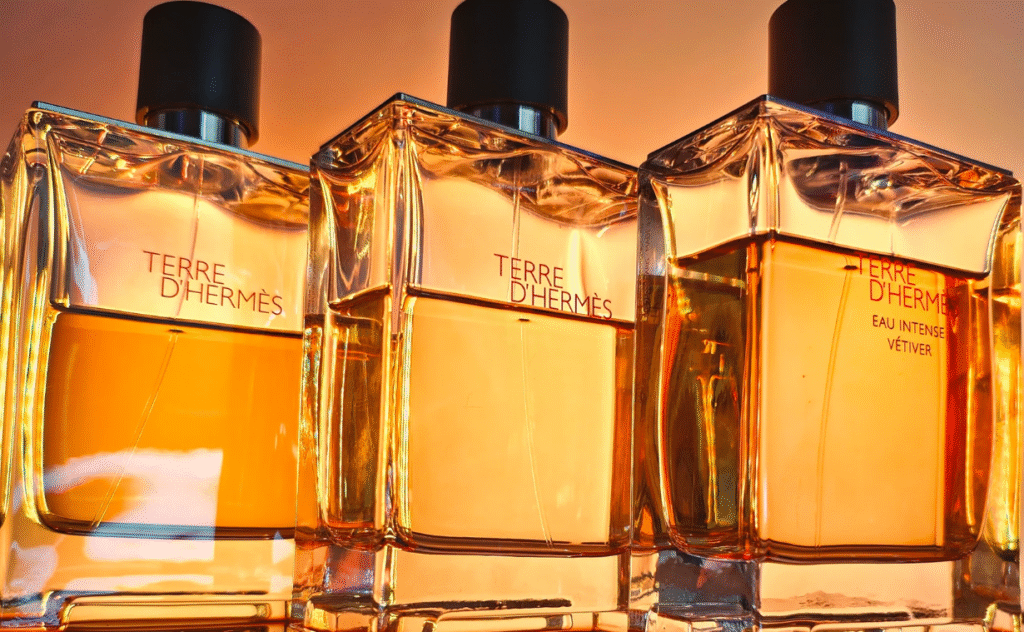
While most luxury fashion brands license their fragrances to giants like Coty, L’Oréal, Puig, or Estée Lauder, Hermès takes a different approach. The maison maintains full ownership and control over its fragrance creation, production, marketing, and distribution.
This independence positions Hermès as:
- both a luxury fashion house and a full-fledged perfumer
- one of the very few brands to employ an in-house perfumer
- a company that produces its fragrances internally rather than outsourcing
Hermès Parfums operates more like a traditional perfume house—similar to Chanel or Guerlain—than a typical fashion label.
The Creative Force: The Hermès In-House Perfumers
Hermès is one of the extremely small number of luxury houses with an in-house master perfumer.
Jean-Claude Ellena (2004–2016)
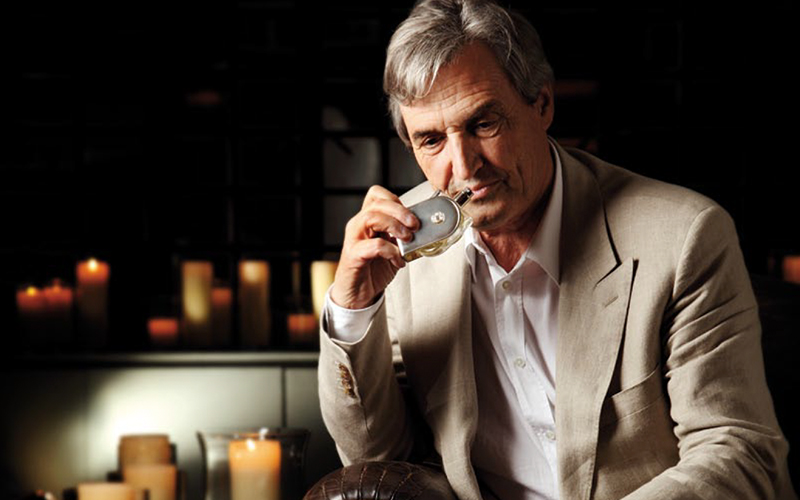
The legendary Jean-Claude Ellena served as Hermès’ first in-house perfumer, shaping the brand’s modern identity through:
- Terre d’Hermès
- Un Jardin sur le Nil
- Voyage d’Hermès
- Eau de Gentiane Blanche
- Eau de Mandarine Ambrée
Ellena’s minimalist style defined Hermès fragrances for more than a decade—elegant, transparent, understated, and poetic.
Christine Nagel (2016–present)

Christine Nagel succeeded Ellena and currently leads Hermès perfumery. A former perfumer at Firmenich and Givaudan, Nagel is behind many hits, including:
- Twilly d’Hermès
- H24
- Un Jardin sur la Lagune
- Cabochard reinterpretations (Hermessence line expansions)
Nagel continues to expand Hermès’ olfactory universe with bold, textural compositions.
Their work places Hermès in a rare category where perfume creation is treated as an artistic craft—much like leatherwork or silk-printing.
Where Are Hermès Fragrances Made? The Maison’s Own Factory in France
Hermès produces its fragrances internally at its dedicated manufacturing facility located in Vaudreuil, Normandy, France.
This factory handles:
- perfume maceration
- filling and bottling
- bottle assembly
- packaging
- quality control
The facility is known for its strict attention to detail and artisanal-meets-industrial approach.
Hermès also owns a large logistics hub in Saran, near Orléans, which manages storage, distribution, and supply-chain operations for the fragrance division.
All Hermès fragrances carry the label “Made in France” because the entire production process—from formulation to bottling—takes place within the country.
Do Hermès Fragrances Use External Ingredient Suppliers?
While Hermès formulates its perfumes internally, it does source raw materials from:
- natural ingredient producers (e.g., citrus, woods, flowers)
- aroma chemical manufacturers
- essential oil distillers
- long-standing French suppliers
Companies like Givaudan, Firmenich, and Symrise are major global suppliers of aroma molecules, but Hermès itself handles composition, blending, and production.
This “controlled sourcing + internal blending” model is similar to Chanel and Guerlain.
What About Bottle Production? Hermès Works With French Glassmakers
Hermès fragrance bottles—especially those in the Hermessence and Jardin lines—are produced by French glassmaking specialists. These glassmakers manufacture for several luxury brands and are selected for their precision, weight calibration, and artisanal finishing.
Bottles are typically:
- molded in France
- decorated and printed with enamel-like labels
- assembled with leather touches or silk cords for special editions
Final assembly happens at the Hermès facility in Vaudreuil.
Why Hermès Avoids Licensing Its Fragrance Division
Most fashion brands outsource their perfume lines to minimize cost and risk. Hermès does the opposite because fragrance is central to its identity. The maison keeps production in-house to maintain:
Total artistic freedom
The in-house perfumer can experiment without commercial pressure.
Quality consistency
Hermès controls materials, blending, and packaging internally.
Brand integrity
No external conglomerate influences the marketing or formulation.
Luxury craftsmanship
Hermès positions perfume as an artisanal object—just like leather goods or silk.
This independence is expensive, but it enables Hermès to create some of the most refined fragrances in the industry.
Hermès Fragrances: A Closer Look at Popular Lines and Their Creation
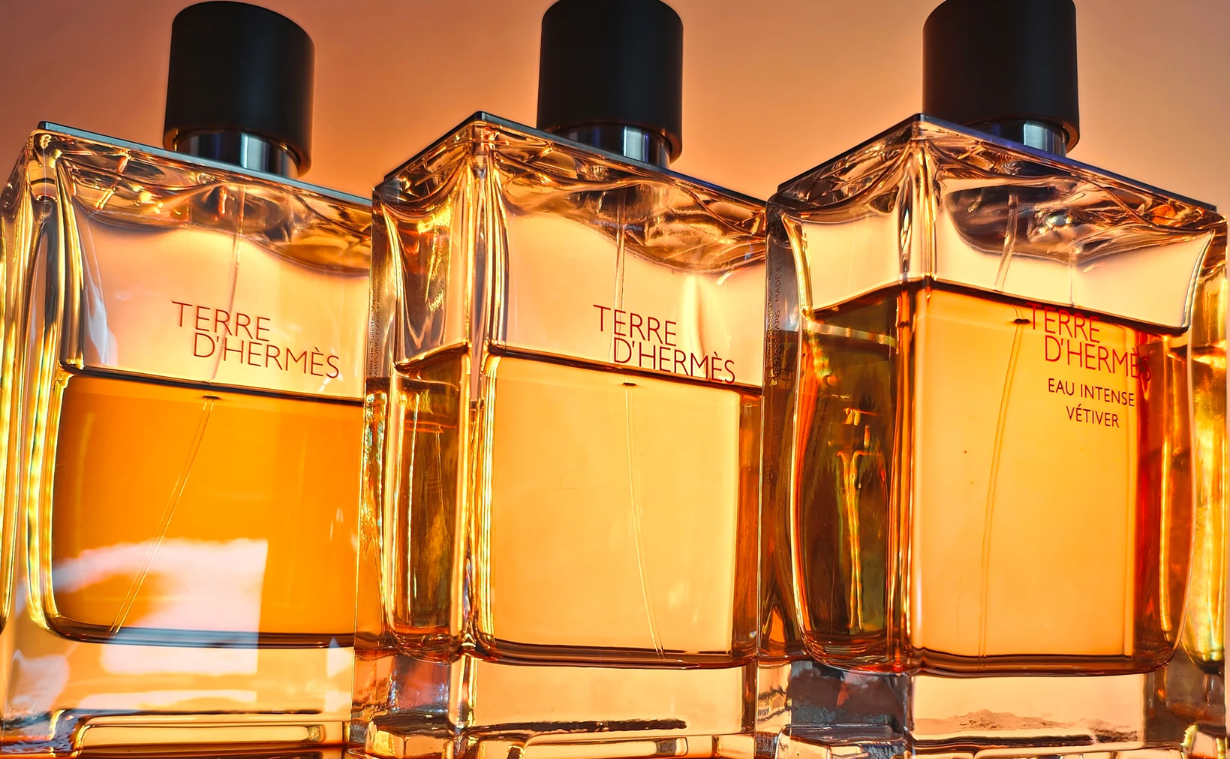
1. Terre d’Hermès (2006)
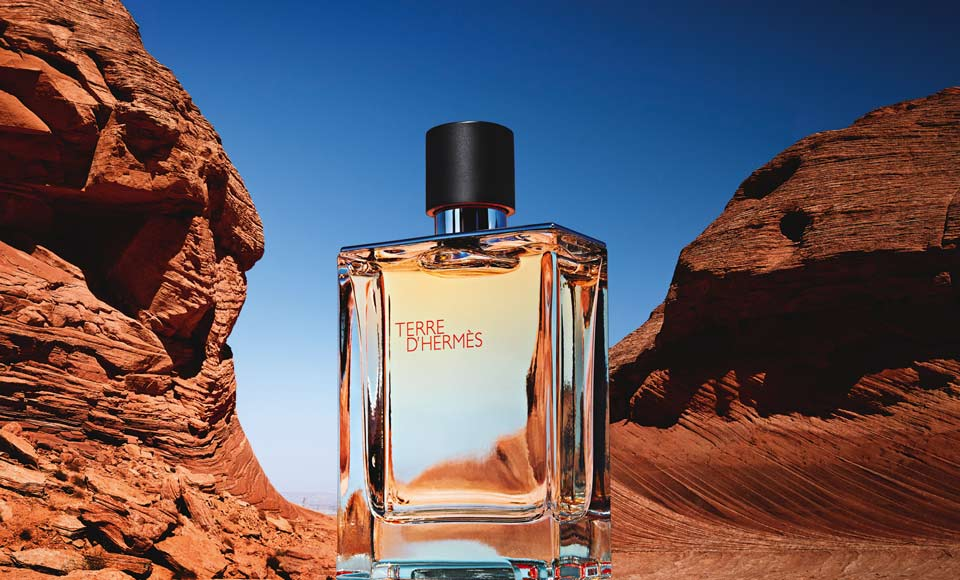
Created by Jean-Claude Ellena, Terre is a woody–mineral masterpiece featuring vetiver, citrus, pepper, and flint. It remains one of the highest-selling men’s fragrances globally—blended and bottled entirely in France.
2. Twilly d’Hermès (2017)
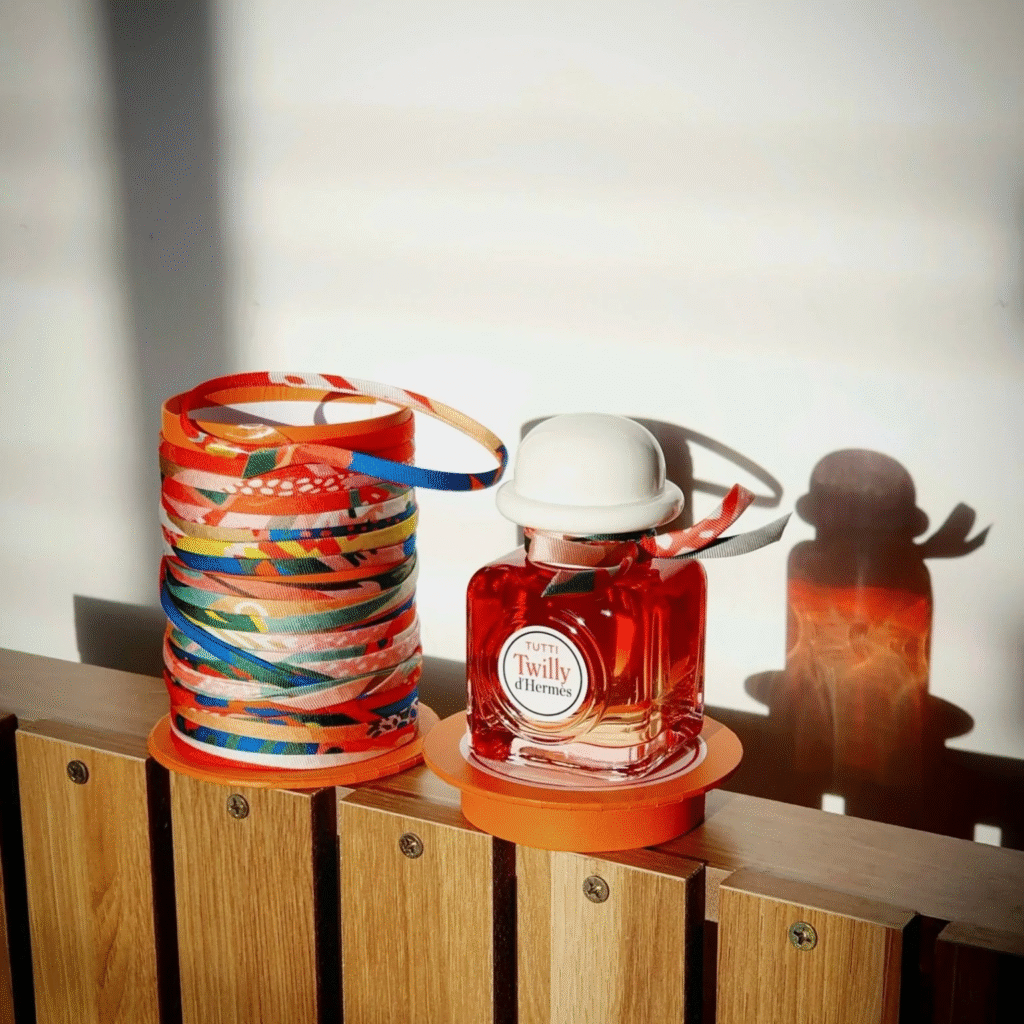
Created by Christine Nagel, Twilly’s ginger–tuberose–sandalwood composition was designed for younger customers but quickly gained universal appeal.
3. Hermessence Collection
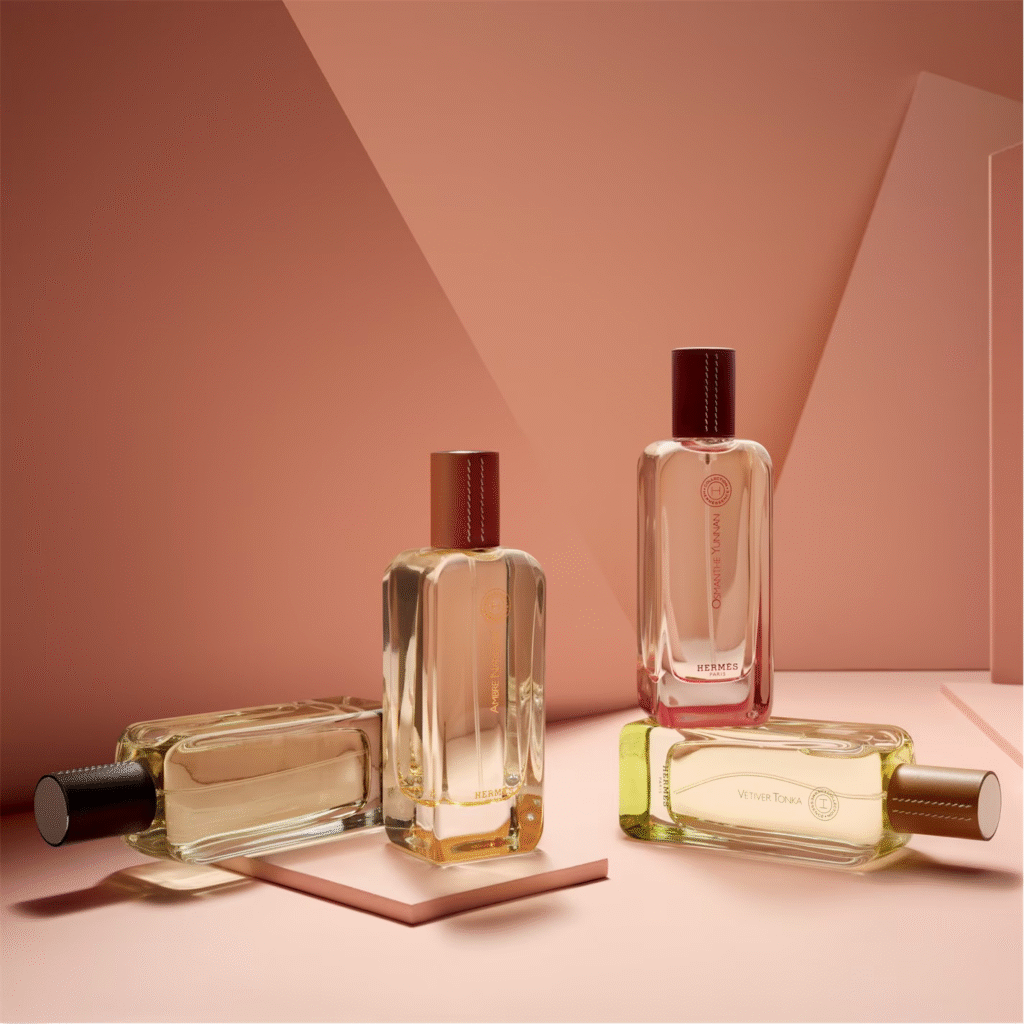
Hermès’ haute parfumerie line includes:
- Vétiver Tonka
- Ambre Narguilé
- Santal Massoïa
- Osmanthe Yunnan
These niche compositions highlight Hermès’ creative freedom.
4. Un Jardin Series

Known for their fresh, airy style:
- Un Jardin en Méditerranée
- Un Jardin après la Mousson
- Un Jardin sur le Nil
All created in-house and produced in France.
So—Who Actually Makes Hermès Fragrances?
The answer is refreshingly simple and rare in today’s perfume landscape:
Hermès makes its own fragrances.
More specifically:
- Perfumes are created by Hermès’ in-house perfumer (Jean-Claude Ellena or Christine Nagel).
- Formulation, blending, maceration, and bottling occur at Hermès’ own factory in Vaudreuil, France.
- Bottles are made by French artisanal glassmakers.
- No licensing deals with Coty, L’Oréal, or other fragrance conglomerates.
- Everything stays within the maison’s artistic and manufacturing control.
In an industry where outsourcing is the norm, Hermès stands out as one of the few true maison parfumeurs.
Conclusion: Hermès Fragrances Are French-Made, Artist-Led, and Maison-Controlled
There are luxury fragrances—and then there are Hermès fragrances. The difference is not just the scent, but the philosophy behind them. Hermès approaches perfumery the same way it approaches leather goods, silk scarves, or saddle-making: with uncompromising craft, artistic integrity, and complete in-house ownership.
Understanding who makes Hermès fragrances reveals why they feel so distinct. They are not mass-produced designer scents overseen by a conglomerate—they are the result of a maison treating perfume as a true art form.