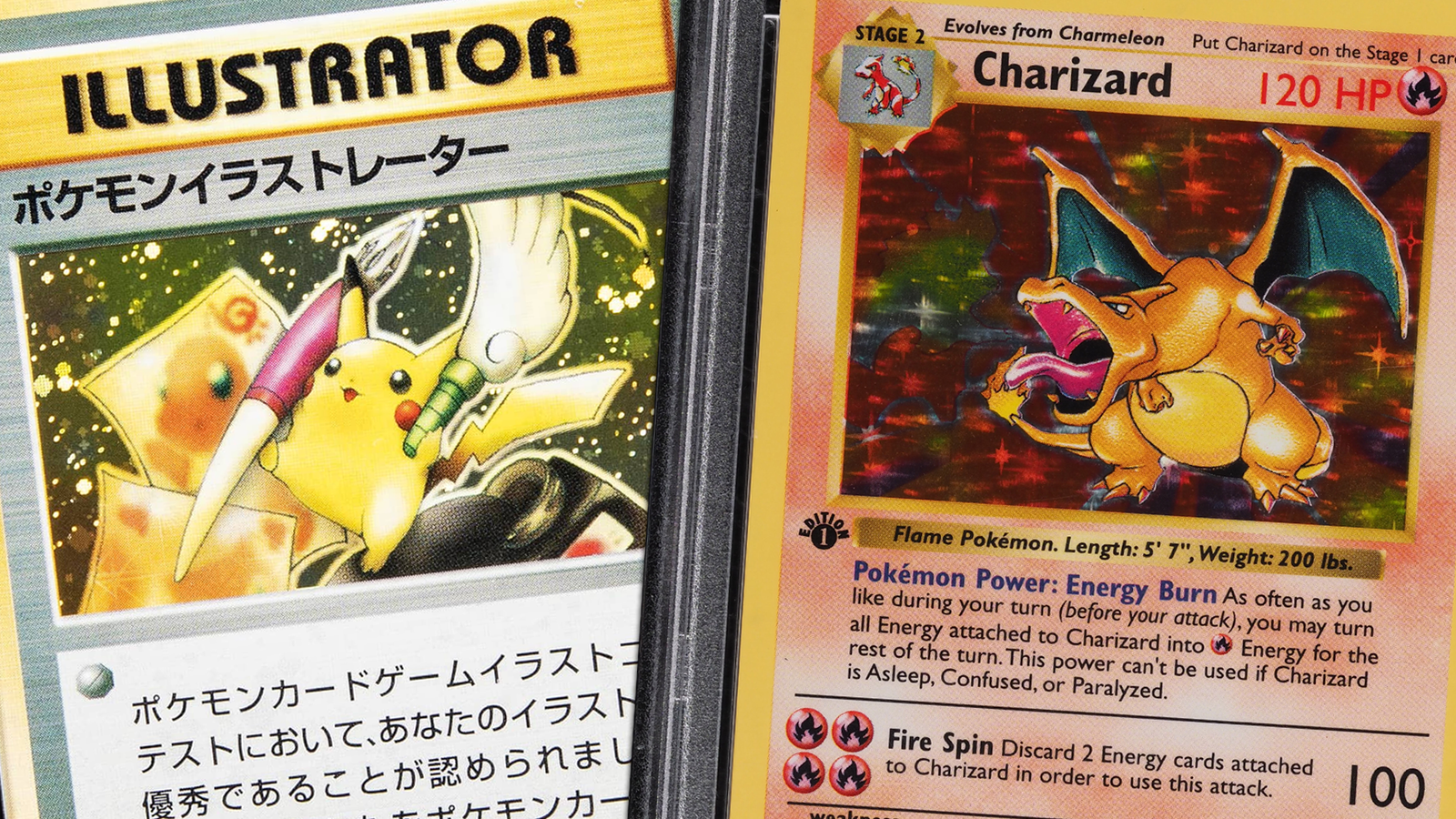
Pokémon cards are one of the most beloved and recognizable collectible products on the planet. Since their introduction in the 1990s, Pokémon Trading Card Game (TCG) cards have captivated kids, collectors, investors, and nostalgic adults across the world. With booming resale markets, record-breaking auction sales, and ongoing expansions, the demand for Pokémon cards has never been higher. But one question often surprises even longtime fans: Who actually makes Pokémon cards?
Pokémon cards are not produced by The Pokémon Company alone, nor are they all manufactured in a single country. Instead, the global Pokémon TCG relies on a network of carefully selected printing companies, security manufacturers, and specialty card printers. These companies differ by region, card type, special editions, and production volume. Understanding who prints Pokémon cards gives collectors insight into card quality, printing variations, and how the Pokémon TCG maintains consistency around the world.
This guide breaks down everything you need to know about who makes Pokémon cards, where they’re printed, and how the manufacturing process works.
The Pokémon Company Controls the Brand, But Not the Printing

Although The Pokémon Company (TPC) manages rules, designs, card sets, artwork, and quality standards, it does not physically manufacture the cards. Instead, the company contracts established printing partners in different regions. Each printer follows Pokémon’s strict specifications to maintain balance, durability, coloration, and performance identical to official Pokémon TCG standards.
The Pokémon card manufacturing network differs by region, with the two primary publishers being The Pokémon Company International (TPCi) for global markets and The Pokémon Company (TPC) for Japan and parts of Asia.
Who Makes Pokémon Cards in the United States and International Markets?
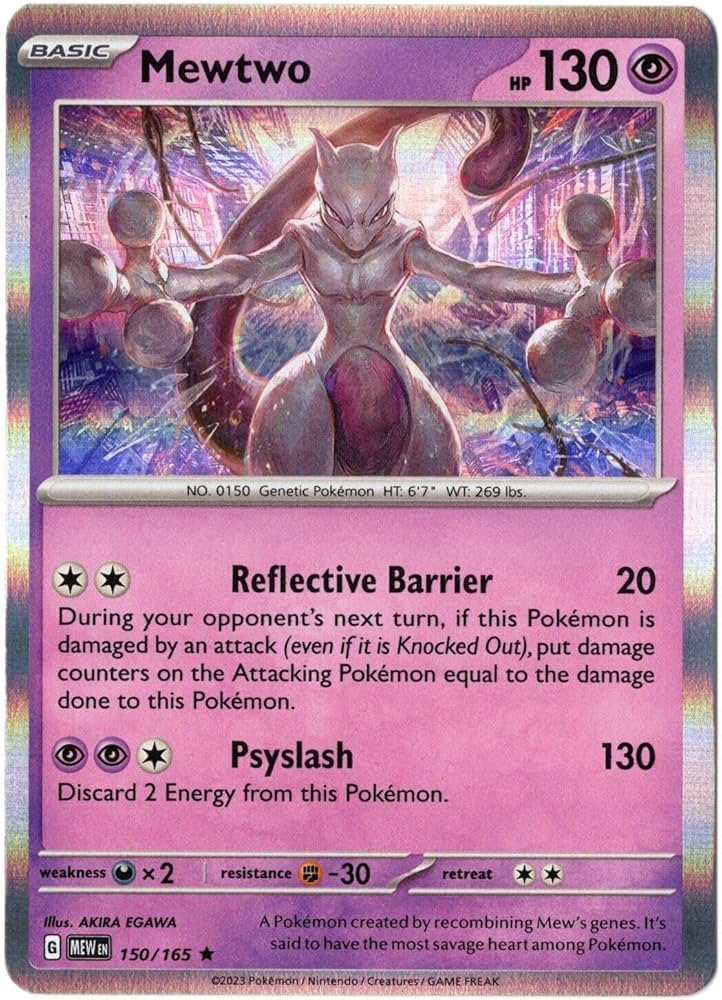
Pokémon cards sold in North America, South America, Europe, Australia, and Southeast Asia are printed under The Pokémon Company International. TPCi does not print cards itself; instead, it outsources to professional trading-card printing companies that specialize in high-volume, high-security card production.
The main manufacturer for English Pokémon cards is Cartamundi, one of the world’s largest playing-card and board-game printers. Cartamundi operates printing facilities in the United States and Belgium and has printed Pokémon cards for decades. Most English-language cards today come from Cartamundi’s U.S. facility in Texas or its European facility in Belgium.
Cartamundi is trusted for its expertise in producing durable, high-quality cards with consistent card stock, precise cutting, anti-counterfeit features, and specialty finishes. They also produce Magic: The Gathering, Yu-Gi-Oh!, and other major trading card games, which is why collectors often recognize similarities in feel and print quality.
For some specialty products, such as premium collections or holiday boxes, additional third-party printers have occasionally been used in the past. However, Cartamundi remains the dominant and preferred manufacturer for Pokémon TCG cards outside Japan.
Who Makes Pokémon Cards in Japan?
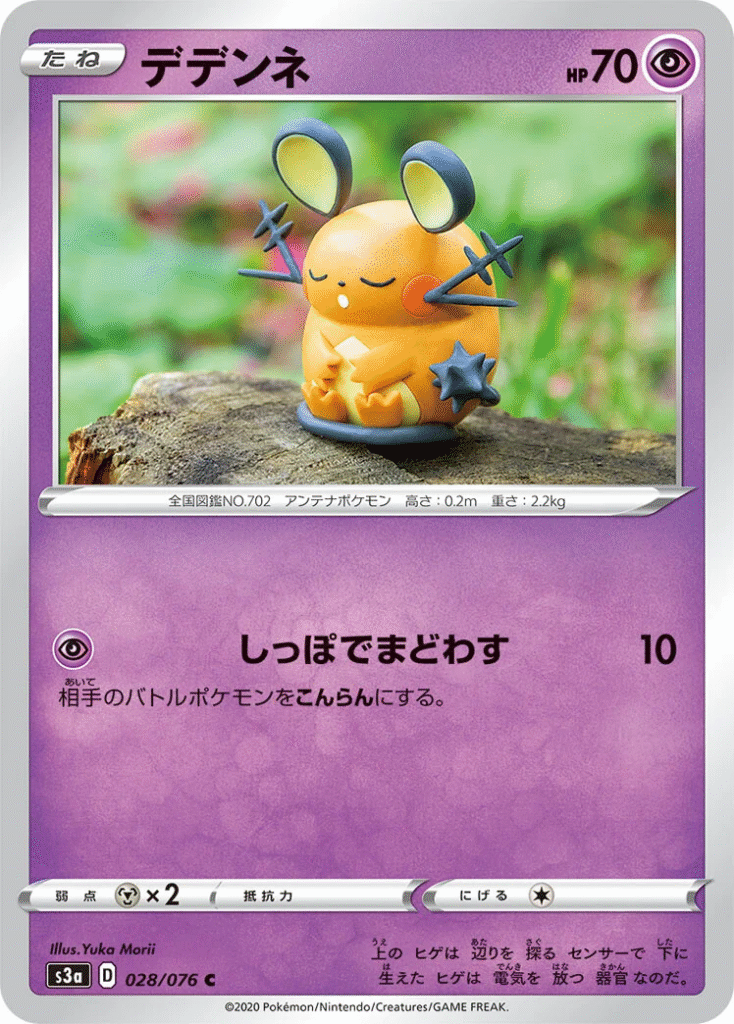
Cards produced for the Japanese market are printed by The Pokémon Company headquarters in Japan, but they still rely on third-party printing facilities. Japanese Pokémon cards are manufactured primarily by Mitsubishi Printing, one of Japan’s most respected high-end printing companies. Mitsubishi’s print quality is widely praised by collectors and often considered superior to English Pokémon cards.
Japanese cards are printed using different card stock, slightly glossier finishes, deeper colors, and tighter centering tolerances. Because Mitsubishi Printing has deep experience producing trading cards, photobooks, gaming materials, and secure documents, the resulting product feels more premium, smoother, and more durable.
This is why collectors often note that Japanese Pokémon cards resist whitening better and tend to grade higher with PSA, BGS, and CGC.
Who Makes Pokémon Cards in China, Taiwan, and Southeast Asia?

Pokémon cards released for the Chinese-language, Taiwanese, and some Southeast Asian markets are produced locally. These sets are overseen by regional Pokémon subsidiaries and printed by licensed manufacturers in their respective countries. For example, Pokémon cards sold in China are printed by authorized Chinese printing facilities under TPC’s specifications. Taiwanese sets are printed by regional partners approved by The Pokémon Company.
These regional printings often use different cardstock, thickness, gloss levels, and packaging materials. As a result, collectors sometimes see noticeable differences between Japanese, English, and Chinese Pokémon cards. These differences are legitimate and reflect the multi-country manufacturing structure.
How Pokémon Cards Are Made: The Printing Process
Pokémon cards must meet strict criteria for color accuracy, durability, weight, and protection against counterfeiting. The production process begins with The Pokémon Company’s artwork, card templates, and set data. These are delivered to the printing factories, which use specialized offset printing machines designed for mass production of cards.
Large sheets containing dozens of Pokémon cards are printed at once. These sheets go through lamination, cutting machinery, anti-counterfeit application, quality checks, and packaging. Factories use high-precision blades to cut cards into the exact dimensions required by competitive play. Once printed and cut, cards are sorted, packed into booster packs, assembled into products, sealed, and distributed worldwide.
Each region produces its own packaging to ensure language accuracy and compliance with local regulations. This explains why booster boxes, packs, and cards differ subtly between countries.
Why Pokémon Cards From Different Regions Look and Feel Different
Collectors often notice differences in card quality depending on where the cards were printed. English cards from the U.S. sometimes have looser centering, lighter card stock, or more print lines. Japanese cards are usually smoother, brighter, and more precisely cut. European cards may feel slightly stiffer or heavier.
These variations come from differences in paper sources, ink formulas, printing machinery, and finishing techniques used by the different factories. Even within Cartamundi, U.S. and Belgian plants produce slightly different results. None of these differences affect legality or authenticity—they are simply part of Pokémon’s decentralized manufacturing system.
Special Editions and Promotional Cards
Some special promotional cards, such as jumbo cards or exclusive inserts from magazines, events, or fast-food promotions, may be printed by additional licensed printing facilities. For example, McDonald’s promotional Pokémon cards have historically been printed by companies that specialize in producing promotional paper goods.
However, all official Pokémon promos are printed under contracts controlled by Pokémon’s global or regional offices and must pass TPC’s extensive quality and authenticity checks.
Are Fake Pokémon Cards Made by the Same Printers?
No. Counterfeit Pokémon cards come from unauthorized, illegal print factories that mimic official Pokémon card designs. These counterfeit factories are not part of TPC’s supply chain and do not follow official standards. Real Pokémon cards can always be traced back to Cartamundi, Mitsubishi Printing, or TPC-approved regional printers.
The Future of Pokémon Card Manufacturing
Pokémon card demand continues to grow at record levels, especially since the 2020–2023 boom driven by nostalgia, influencers, and competitive play. As production scales, factories may expand capacity, add new facilities, or invest in higher-speed printing technologies.
Pokémon has already announced the expansion of English-language printing to meet global demand, reducing shortages and delays. The future may include:
- more global print locations,
- higher-grade card stock,
- new security features,
- and more consistency across regions.
The franchise’s global success depends on maintaining quality and reliability across its network of printers.
So—Who Actually Makes Pokémon Cards? The Complete Answer
Pokémon cards are made by a network of highly specialized printing partners around the world, not by The Pokémon Company itself. English cards are printed primarily by Cartamundi in the U.S. and Belgium. Japanese cards are manufactured by Mitsubishi Printing and other Japanese printing partners. Chinese, Taiwanese, and Southeast Asian cards are produced by regional Pokémon-licensed manufacturers.
Each region’s cards differ slightly in texture, print quality, and card stock due to the distinct printing facilities and processes. But all legitimate Pokémon cards share one thing in common: they follow strict specifications from The Pokémon Company to ensure authenticity and consistency within the Trading Card Game.