
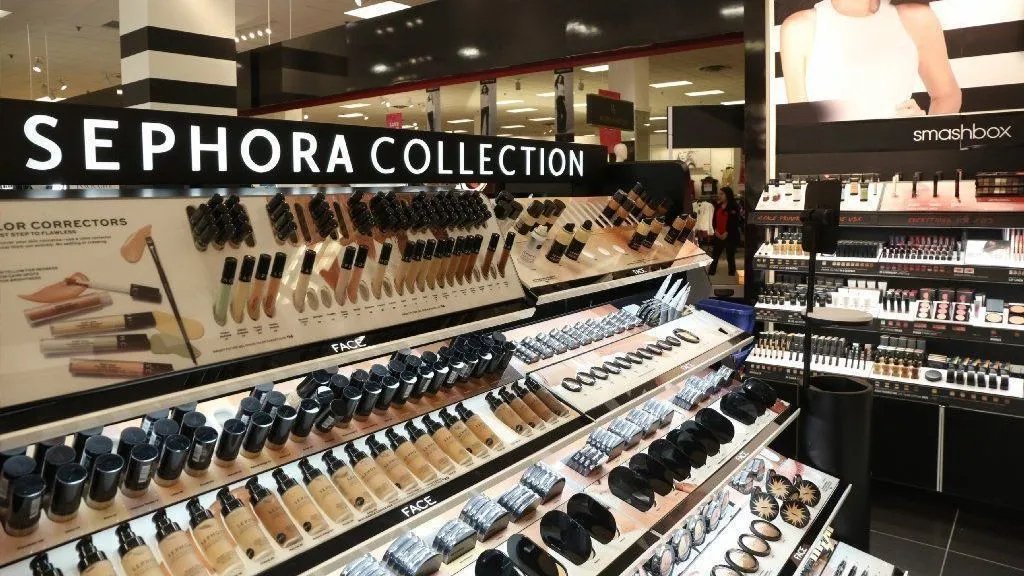
Sephora Collection has grown from a modest private-label offering into a global beauty force. From skincare and makeup to tools, brushes, and hair essentials, the in-house brand delivers trend-driven, affordable, and often high-performing products that rival luxury names on the shelves. But if Sephora Collection is not a single manufacturer, then who actually makes the products sold under this popular brand?
The short answer is: Sephora Collection products are manufactured by a wide network of third-party beauty manufacturers around the world—the same suppliers that often produce products for major prestige, mass, and indie brands. Sephora designs the concept, defines the formulas, sets quality standards, and oversees development, but it does not operate its own manufacturing plants. Instead, it partners with established OEM and ODM cosmetics laboratories in Europe, North America, and Asia.
This article explores how Sephora Collection production works, where the products are made, why multiple manufacturers are involved, and what this means for quality, safety, and consumer trust.
Sephora Collection: A Private-Label Brand With Global Suppliers
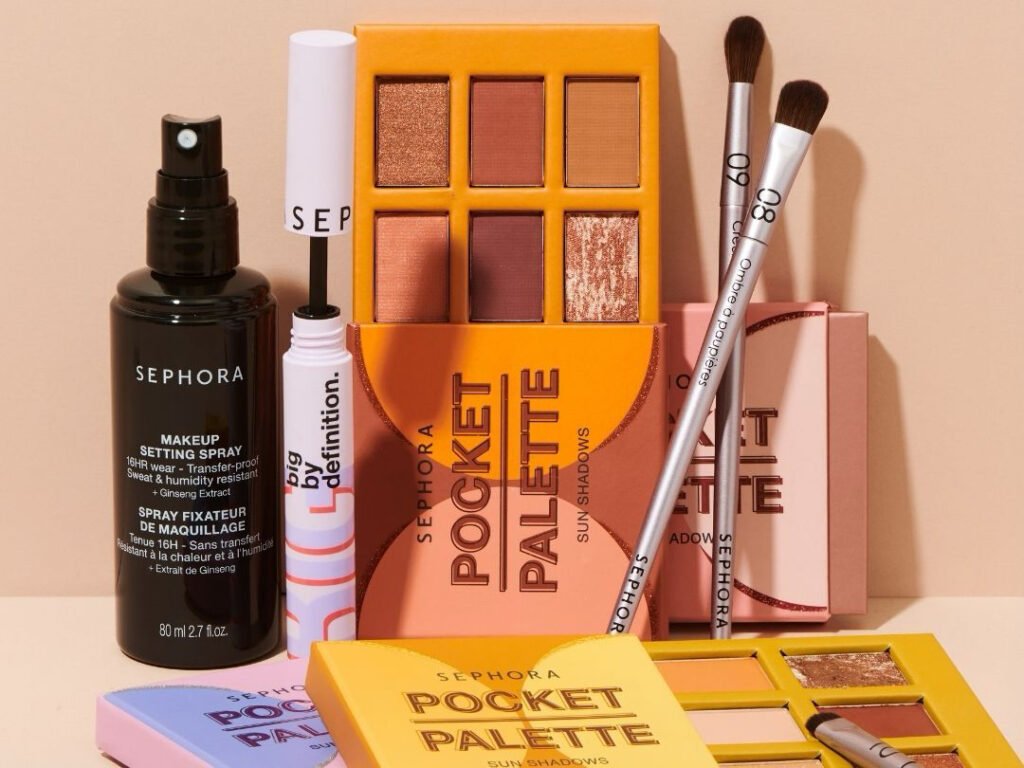
Sephora Collection is Sephora’s private-label brand, meaning Sephora owns the brand name but works with external manufacturers to produce the actual goods. This model is widely used in the beauty industry—much like Target’s Up & Up, Ulta Beauty Collection, Boots No7, or retailer-exclusive lines in luxury department stores.
Rather than producing products in-house, Sephora works with specialized cosmetic contract manufacturers (OEMs) and original design manufacturers (ODMs). These partners handle everything from formulation to filling, packaging, and quality testing, while Sephora controls the branding, product vision, ingredient policies, and final approval.
The result is a curated range of affordable products made by some of the same labs that formulate for luxury houses—just without luxury pricing.
Where Sephora Collection Products Are Manufactured
You can find the country of manufacture printed on every Sephora Collection box, and the list is diverse. Sephora works with industry-leading labs in:
- France – Known for fragrance, skincare, and luxury formulation expertise
- Italy – Famous for prestige color cosmetics
- Spain – A growing hub for vegan and clean beauty labs
- Germany – Specializes in dermatology-driven formulas
- USA and Canada – For skincare, bath & body, and high-volume production
- South Korea – For innovation-forward skincare and sheet masks
- China – For tools, brushes, accessories, and some skincare items
- Taiwan – Known for masks, applicators, and beauty tools
Because Sephora Collection spans hundreds of SKUs, no single region or manufacturer produces everything. Instead, Sephora assigns product categories to specific countries based on local expertise. For example:
- Velvet lipsticks and baked powders are often made in Italy
- Sheet masks are frequently produced in South Korea or Taiwan
- Specialty skincare may come from French or North American labs
- Makeup brushes and tools come from China, Japan, or South Korea
This diversified network ensures Sephora can deliver high-quality formulas without relying on a single production line or facility.
Who Actually Makes Sephora Collection Products? (Behind the Scenes)

Sephora does not publicly disclose the names of its private-label manufacturers, and this is standard in the beauty industry. OEM/ODM labs operate under non-disclosure agreements to protect both Sephora’s intellectual property and the proprietary technologies of the manufacturers.
However, industry analysts and cosmetics professionals widely note that Sephora partners with top-tier global manufacturers—the same ones used by luxury brands sold in Sephora stores.
Well-known cosmetic labs that commonly produce for major beauty retailers and could be included in Sephora’s supplier base include:
- Italian color cosmetics giants (e.g., Intercos, Chromavis, Ancorotti)
- French skincare and fragrance manufacturers
- K-beauty OEMs for sheet masks and jelly formulas
- North American labs specializing in clean or vegan formulations
While we cannot confirm specific factories without official disclosure, Sephora’s manufacturing approach mirrors other multinational beauty retailers: partner with best-in-class regional labs that align with product category strengths.
How Sephora Ensures Quality Across Multiple Manufacturers
Since Sephora Collection products come from different countries and factories, the brand uses strict internal control systems to ensure consistency.
1. Sephora’s Ingredient Standard
Sephora Collection follows the retailer’s “Clean at Sephora” guidelines for many launches, avoiding specific ingredients and requiring clear labeling. This narrows the list of eligible manufacturers to those with proven compliance.
2. Unified Formulation & Safety Protocols
Every Sephora Collection product must meet:
- EU-level cosmetic safety regulations (the strictest in the world)
- Stability testing, compatibility tests, and microbial safety checks
- Reviews by toxicologists and formulation scientists
Even products produced outside the EU must pass these standards.
3. On-Site Auditing & Production Oversight
Sephora regularly audits its suppliers to confirm:
- Good Manufacturing Practices (GMP)
- Ethical labor standards
- Ingredient traceability
- Quality control protocols
Only suppliers that consistently meet Sephora’s criteria continue producing for the brand.
4. Packaging & Branding Are Centralized
Even though manufacturing is outsourced, packaging design and brand messaging come from Sephora’s internal teams. This ensures a consistent visual identity regardless of where the product was produced.
Why Sephora Uses Multiple Manufacturers Instead of One
Using a diverse network of manufacturers benefits Sephora in several ways:
Access to World-Class Expertise
Different countries dominate different types of beauty innovation:
- Italy for color
- France for fragrance and skincare
- Korea for innovative formulations
- Germany for clinical-quality cosmetics
This allows Sephora to deliver competitive, high-performing products across categories.
Scalability & Supply Chain Flexibility
Multiple suppliers reduce the risk of:
- Shortages
- Production delays
- Regional disruptions
Sephora can rapidly scale bestsellers by distributing production across several trusted labs.
Faster Trend Response
Sephora Collection is known for fast trend adoption. A distributed manufacturing model enables the brand to launch new shades, textures, and innovations quickly.
Why Sephora Collection Can Be High Quality at Lower Prices
Customers often wonder how Sephora Collection can offer impressive formulas at more affordable prices than some prestige brands sold in the same store. The answer lies in:
- Lower marketing costs
- No influencer-heavy advertising budgets
- High-volume production runs
- Direct partnerships with manufacturers
- Eliminated middlemen
- Private-label efficiencies
Because Sephora is both the retailer and the brand owner, it can price products more competitively without compromising quality.
Transparency: What You Can Learn From the Packaging
Even without factory names, consumers can still gain insight into manufacturing:
- The box states the country of origin (e.g., “Made in Italy”)
- Batch codes indicate production runs
- Ingredients list reveals formulation quality
- Certifications such as “Clean at Sephora” or “Vegan” show compliance standards
This allows customers to make informed choices while respecting privacy policies that protect supplier relationships.
Conclusion: Sephora Collection Is Made by Global Industry-Leading Manufacturers
So, who makes Sephora Collection products?
Not one company—but a network of elite international beauty manufacturers specializing in skincare, makeup, haircare, tools, and more. These manufacturers operate under Sephora’s strict requirements, ensuring high quality, clean ingredients, and trusted performance across all categories.
Sephora’s ability to partner with the same top-tier OEM/ODM labs used by luxury brands means that consumers get premium formulations at more accessible prices. The result is a brand that delivers exceptional value—not by cutting corners, but by leveraging smart manufacturing strategy and global expertise.

2 Comments