
Stanley has been around for more than a century, but its recent global explosion—sparked by TikTok, pastel color drops, and the wildly popular Quencher tumblers—has turned it into one of the world’s most recognizable drinkware brands. Once known mainly for rugged outdoor thermoses, Stanley is now the face of viral hydration trends, sold-out seasonal launches, and cult-like fan communities.
But for all the hype around the brand, many consumers have one question: Who actually manufactures Stanley cups?
Stanley, like most major consumer goods companies, does not manufacture its own tumblers in the United States. Instead, the company works with a network of overseas producers who specialize in stainless steel insulation, powder coating, vacuum sealing, and large-scale drinkware assembly.
Here is a detailed breakdown of who makes Stanley cups, where the manufacturing facilities are located, and how the brand ensures quality across millions of units.
Stanley Is an American Brand—But Production Happens Overseas

Stanley, officially known as Stanley PMI (Pacific Market International), is headquartered in Seattle, Washington. PMI acquired the Stanley brand in the early 2000s, revitalizing it and expanding production.
While the brand is American, its products—especially the famous Quencher tumblers—are manufactured in Asia, not in the U.S. This is standard for vacuum-insulated drinkware, which requires manufacturing capabilities not widely available in North America.
Stanley oversees:
- product design
- material sourcing requirements
- prototype development
- engineering guidelines
- quality assurance
- marketing and distribution
But the physical production is outsourced to experienced stainless-steel manufacturers.
Where Stanley Cups Are Manufactured
1. China: The Primary Manufacturing Hub
The vast majority of Stanley tumblers—including the viral Quencher line—are manufactured in China. China is the global center for stainless-steel flask and drinkware manufacturing because of:
- advanced double-wall vacuum construction
- high-volume precision welding
- powder-coating technology
- substrate finishing
- efficient mass-production capabilities
Cities in Guangdong, Zhejiang, and Jiangsu provinces are known for producing insulated water bottles and thermal drinkware for leading global brands—including Stanley, Hydro Flask, Yeti, and Contigo.
These specialized factories often use automated vacuum-sealing lines, robotic welders, and high-pressure insulation equipment that make large-scale production possible.
2. Vietnam: A Growing Secondary Manufacturing Base
As demand soared, Stanley expanded production to Vietnam, which has become a major hub for consumer-goods manufacturing. Vietnamese factories typically handle:
- finishing
- powder coating
- assembly
- packaging
Some Quencher models and seasonal colors come from Vietnam-based plants that meet Stanley’s production and compliance standards.
3. Thailand and Other Southeast Asian Facilities (Selective Production)
Smaller production volumes or specialty SKUs may be produced in other Southeast Asian countries. These factories complement the scale of Chinese and Vietnamese plants.
Why Stanley Uses Overseas Manufacturers Instead of U.S. Factories
Manufacturing insulated stainless-steel drinkware requires specialized technology, such as:
- stainless steel hydroforming
- double-wall vacuum insulation chambers
- high-precision welding
- automated electro-polishing
- robotic coating and curing systems
These processes are largely concentrated in Asia, where factories have decades of experience producing thermoses and vacuum flasks.
If Stanley produced tumblers in the U.S., costs would skyrocket due to:
- labor expense
- material sourcing limitations
- lack of specialized machinery
- inability to scale production to millions of units
By partnering with overseas factories, Stanley can offer its tumblers at accessible prices while ensuring consistent quality.
Do Stanley’s Factories Produce for Other Brands? Yes.
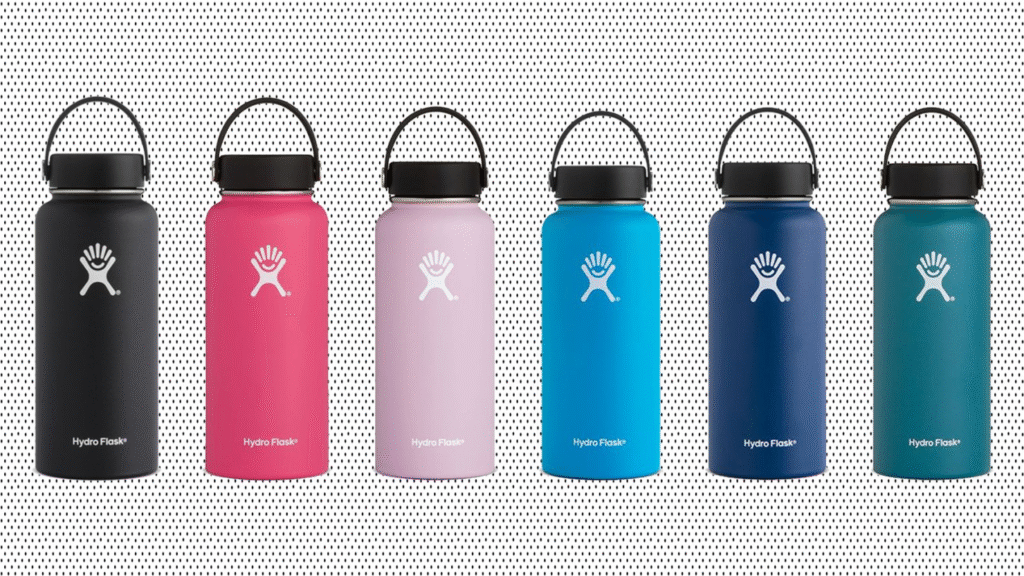
Stanley does not own exclusive factories. Instead, it contracts with top-tier OEMs (Original Equipment Manufacturers) that also produce for other premium drinkware brands. This is standard across the industry.
For example, the same factory that manufactures Stanley Quenchers may also produce:
- Hydro Flask bottles
- Simple Modern tumblers
- Yeti-style insulated drinkware
- Generic private-label bottles
What differentiates Stanley products is:
- proprietary design specs
- unique powder-coat formulas
- custom lid and handle molds
- strict quality testing
The brand’s engineering team in Seattle sets the standards; the factories execute them.
Quality Control: How Stanley Ensures Safety and Consistency
Even though manufacturing occurs overseas, Stanley maintains direct oversight. The company enforces a strict multi-stage quality-control process that includes:
- stainless-steel grade verification
- vacuum insulation testing
- leak-proof lid testing
- color consistency checks
- drop tests and pressure tests
- food-safety and BPA compliance
- final global inspection
This ensures that whether a tumbler comes from a factory in China or Vietnam, the quality remains consistent.
What About the Lead Concerns? Who Handles Safety?
In early 2024, some consumers raised concerns about lead in insulated tumblers, including Stanley. Like most vacuum-insulated bottle brands, Stanley uses a lead-based sealing dot at the bottom of the cup to seal the vacuum chamber. This sealing method is industry standard and used by many brands—including Yeti, Hydro Flask, Swig, and others.
Crucially:
- The lead is not exposed to the user.
- It sits beneath a stainless-steel or resin barrier.
- Factories follow safety regulations set by U.S. and international standards.
Stanley works directly with its manufacturing partners to ensure the safety layer remains intact and compliant.
This is part of why Stanley relies on established, highly experienced OEM factories—they have the technology and expertise to meet strict safety protocols.
Does Stanley Plan to Bring Manufacturing Back to the U.S.?
Currently, there is no indication that Stanley will shift production to the U.S. The specialized machinery required for double-wall vacuum insulation—plus the enormous scale of global demand—makes domestic manufacturing extremely expensive and impractical.
Instead, Stanley continues to expand and refine its Asian production network, investing heavily in:
- improved safety controls
- upgraded environmental standards
- larger production runs
- more sustainable materials
So, Who Actually Makes Stanley Cups?
In the most accurate and transparent summary:
Stanley cups are designed and engineered in the United States but manufactured by specialized stainless-steel drinkware factories located primarily in China and Vietnam.
These OEM factories:
- build the double-wall structure
- perform vacuum insulation sealing
- powder-coat the tumblers
- assemble lids and handles
- package the final product
Stanley provides the specifications, quality standards, and product innovations; the factories execute the production at scale.
Conclusion: A Global Manufacturing Network Behind a Viral U.S. Brand
Stanley’s massive rise to modern pop-culture fame—from rugged thermos company to TikTok sensation—was made possible through its international manufacturing partnerships. These partnerships allow Stanley to produce millions of high-quality, insulated tumblers using technologies that are simply not common in the U.S.
The company’s global supply chain is built on:
- American product design
- Asian manufacturing expertise
- stringent quality control
- high-volume production capacity
For consumers who love Stanley’s pastel color drops, limited editions, and durable design, understanding who actually manufactures Stanley cups reveals the impressive industrial system behind a simple, viral hydration trend.