Lotus Biscoff has become one of the most recognisable biscuits worldwide. Its signature caramelised aroma, crunch, and warm spice profile have turned it into a global favourite—transcending languages, cultures, and even categories. What began as a simple Belgian coffee biscuit is now a worldwide sensation used in baking, cafés, desserts, milkshakes, and even beauty tutorials (yes, Biscoff lip-gloss hacks went viral on TikTok).
But behind the cult reputation lies a more intriguing story: Who actually manufactures Lotus Biscuits, and how did a family company turn a humble caramelised cookie into an international empire?
This in-depth guide explores everything you need to know about the makers behind Lotus Biscuits—from their century-old roots to their global expansion strategy.
The Manufacturer Behind Lotus Biscuits: Lotus Bakeries
Lotus Biscuits—more famously known as Lotus Biscoff—are manufactured by Lotus Bakeries, a Belgian bakery company founded in 1932 in the town of Lembeke. The company is still family-run, now led by the Boone family’s next generations, and remains deeply connected to its Belgian heritage.
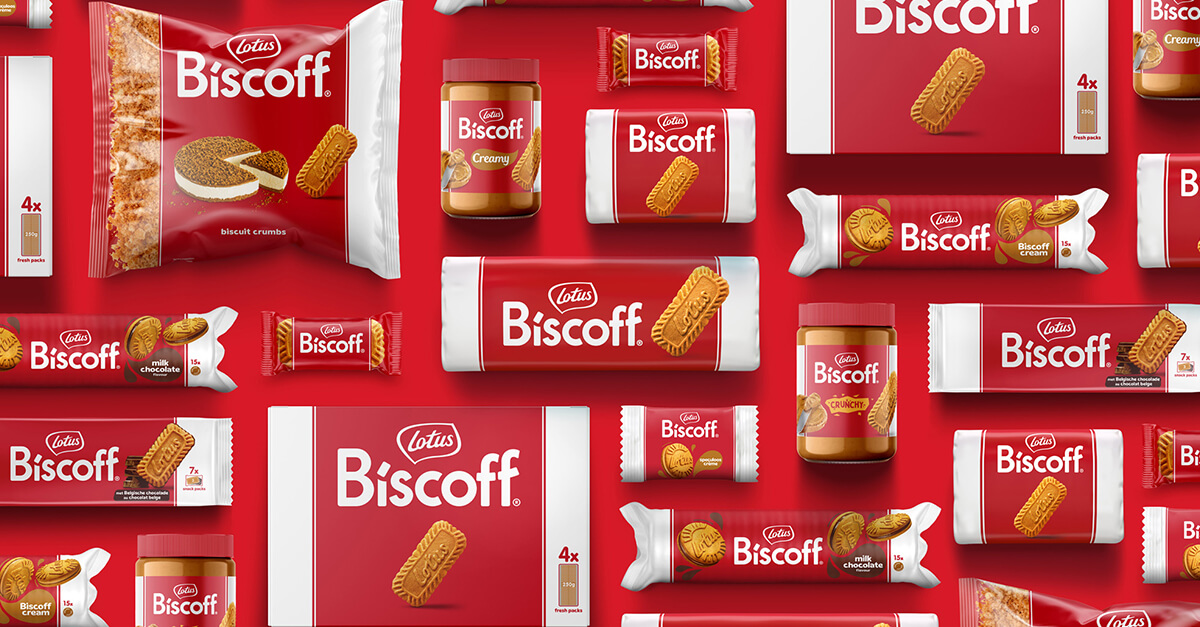
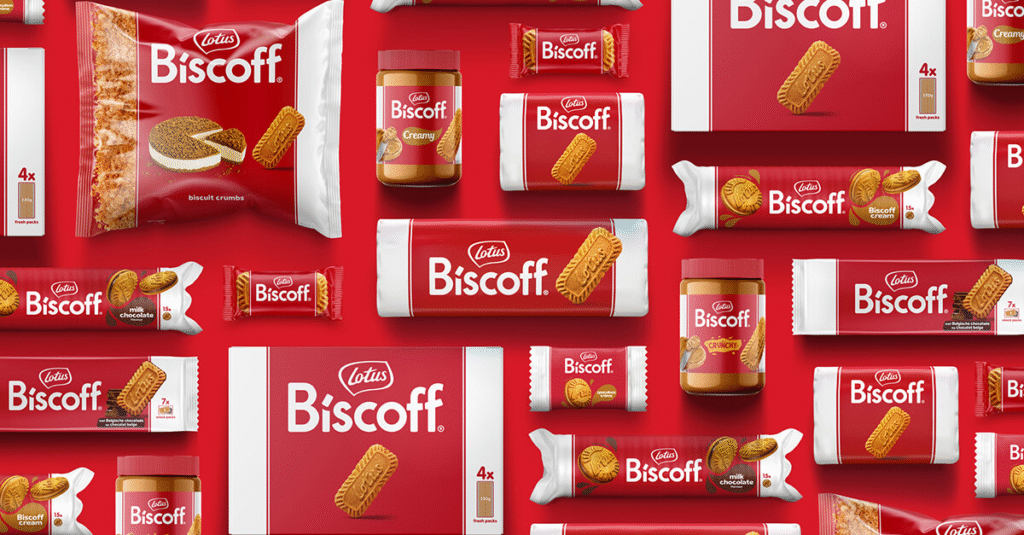
Lotus Bakeries is responsible for creating, producing, and distributing all Lotus Biscoff products, including:
- The original caramelised biscuit
- Biscoff spread
- Biscoff sandwich cookies
- Biscoff ice creams
- Biscoff biscuit crumbs (for baking and professional chefs)
- Seasonal and limited-edition variations
Lotus Bakeries has grown into a global force in bakery and snack innovation, yet it retains traditional craftsmanship—particularly in how the classic biscuit is made.
Where Are Lotus Biscuits Manufactured?

Lotus Bakeries operates multiple production sites, but the heart of Biscoff manufacturing remains in Belgium, where the biscuit originated nearly a century ago. Here’s how the manufacturing footprint is structured today:
1. Lembeke, Belgium – The Original Factory
This is the birthplace of Biscoff and still the company’s most important production facility. The Lembeke factory is where the signature caramelised biscuit recipe was perfected, and it remains the core site for global production.
2. Additional European Factories
To meet growing demand—especially after Biscoff went viral in coffee shops and online—Lotus expanded its production capacity into other parts of Europe. These factories produce the same biscuit under strict recipe control.
3. United States Production Facilities
The booming American demand for Biscoff products led Lotus to open production lines in the U.S. This reduces import pressure and ensures fresher stock for the rapidly growing North American market.
4. Global Distribution Hubs
Even with expanded manufacturing, Lotus maintains strict quality, taste, and texture consistency across all facilities. The original recipe and baking specifications remain tightly controlled from Belgium.
Despite international expansion, the brand protects its identity by keeping key production processes, recipe development, and quality supervision anchored in Belgium.
What Is Biscoff Made Of? Understanding the Manufacturing Philosophy
One of the reasons Lotus Biscuits taste the same everywhere is the brand’s unusually strict control over its ingredient profile. Lotus Bakeries doesn’t rely on complex or artificial additives—instead, the biscuit’s flavour comes from a precise baking method.
The simple ingredient list typically includes:
- Wheat flour
- Sugar
- Vegetable oils
- Candy sugar syrup
- Raising agents
- Soy flour
- Cinnamon and natural flavours
There are no dairy ingredients, making Biscoff naturally vegan—a major contributing factor to its popularity among young, health-conscious consumers.
The Secret Is in the Caramelisation Process
What truly sets Biscoff apart is not its ingredients but how the sugar caramelises during baking. Lotus Bakeries uses a proprietary baking system—based on controlled heat, airflow, and timing—to achieve the signature caramelised crunch.
This method is why:
- The biscuit snaps cleanly
- It has a deeply roasted, caramel-toffee aroma
- It pairs perfectly with coffee
Lotus Bakeries guards its caramelisation technique closely, making it one of the company’s most valuable trade secrets.
How the Biscoff Spread Is Manufactured
The invention of Biscoff spread (also known as cookie butter) transformed the brand forever. Originally created by a Belgian fan who won a national invention contest, Lotus Bakeries worked with her to refine and commercialize the product.
Manufacturing Biscoff spread involves:
- Grinding Biscoff biscuits into a fine crumb
- Combining it with oils and emulsifiers to achieve a creamy texture
- Preserving the roasted caramel flavour without losing the essence of the original biscuit
The spread is now produced in specialized facilities due to its unique texture and rapid global demand.
Why Lotus Bakeries Has Stayed Family-Owned
A major part of the brand’s charm comes from its independence. Lotus Bakeries has resisted acquisition from multinational giants, choosing instead to retain family ownership. This allows the company to maintain:
- Recipe secrecy
- Ingredient purity
- Brand heritage
- Slow but steady growth
- Consistent quality across markets
This autonomy is rare in today’s global snack industry, where conglomerates often buy smaller brands and dilute their identity. Instead, Lotus Bakeries has preserved its authenticity—and consumers have rewarded this with fierce loyalty.
Lotus Biscuits and the Airline Connection: A Manufacturing Turning Point
Many people first encountered Biscoff on airplanes. This wasn’t an accident—it was a strategic masterstroke.
Starting in the 1980s, Lotus Bakeries supplied individually wrapped Biscoff biscuits to European airlines. The combination was perfect:
- Airline coffee paired naturally with Biscoff’s flavour profile
- Individually wrapped packaging kept the biscuit fresh
- Millions of travelers were exposed to the brand
This airline partnership expanded to the U.S. and other regions, helping Biscoff gain global recognition long before the spread went viral.
As demand surged in cafés, bakeries, and coffee chains, Lotus Bakeries had to ramp up production—leading to the global manufacturing network seen today.
The Rise of Biscoff in Cafés, Bakeries & Dessert Shops
Today, Biscoff isn’t just a biscuit—it’s a full-fledged flavour trend.
Biscoff is used in:
- Cheesecakes
- Milkshakes
- Ice creams
- Croffles
- Doughnuts
- Bubble tea
- Cookies
- Cupcakes
- Churros
- Dessert toppings
To support this expansion, Lotus Bakeries manufactures Biscoff biscuit crumbs specifically for horeca operators and professional bakers. These crumbs are produced using the same biscuits but crushed and packaged for commercial kitchens.
This product line has contributed significantly to Lotus Bakeries’ global growth—and expanded the company’s manufacturing capabilities.
Lotus Bakeries’ Global Expansion Strategy
While Lotus Biscuits are manufactured in Europe and the U.S., the brand also invests heavily in international distribution to maintain its quality and brand presence. Lotus Bakeries has expanded into:
- North America
- the Middle East
- Southeast Asia
- China
- Australia and New Zealand
- The UK and Ireland
Each region has dedicated teams handling local marketing, logistics, and strategic partnerships with coffee chains and supermarkets.
Is Lotus Biscoff Manufactured by Other Companies?
No.
Lotus Biscoff is always manufactured by Lotus Bakeries.
Unlike many snack brands that outsource production, Lotus maintains full control over:
- Raw ingredients
- Recipe development
- Manufacturing processes
- Packaging standards
- Regional product variations
This ensures the biscuit’s taste and texture stay consistent, regardless of where it’s sold.
Why Consumers Care About the Manufacturer
Modern consumers want transparency in their food choices. Knowing that Lotus Bakeries manufactures its biscuits using:
- Minimal ingredients
- Protective recipe secrecy
- Controlled caramelisation methods
- Family-run oversight
- Vegan-friendly formulas
- Commitment to quality
…creates trust and brand loyalty.
As more consumers seek snacks with authentic stories and heritage, Lotus Bakeries’ background becomes part of the Biscoff experience.
Final Thoughts: Lotus Bakeries—The Heart Behind Biscoff
Lotus Biscuits may be beloved worldwide, but their manufacturing story is deeply rooted in tradition, family values, and meticulous craftsmanship.
Lotus Bakeries, the company behind these biscuits, has spent nearly a century perfecting its recipe and expanding its footprint without compromising its heritage. From its origins in a small Belgian town to its global presence in cafés, bakeries, and dessert menus, Lotus Bakeries remains committed to producing every Biscoff biscuit with consistency and care.
The next time you bite into a Lotus Biscoff or swirl a spoon of cookie butter over a cheesecake, you’re experiencing a product made with decades of passion, precision, and Belgian baking legacy.