Sunscreen is one of the most important skincare products in the world—which makes sunscreen filters some of the most regulated, researched, and in-demand cosmetic ingredients on the planet. Yet most consumers don’t realize that the sunscreen in their favorite bottle doesn’t come from the brand itself. Instead, it relies on a complex global network of chemical manufacturers, raw-material suppliers, biotech innovators, and specialty ingredient companies.
From European chemical giants to Japanese innovators and Korean beauty OEMs, sunscreen filters are produced by a surprisingly small number of global players. This article dives into who actually produces the UV filters that power bestselling sunscreens—from drugstore to luxury to dermatologist-approved brands.
Why Sunscreen Filters Matter More Than Ever
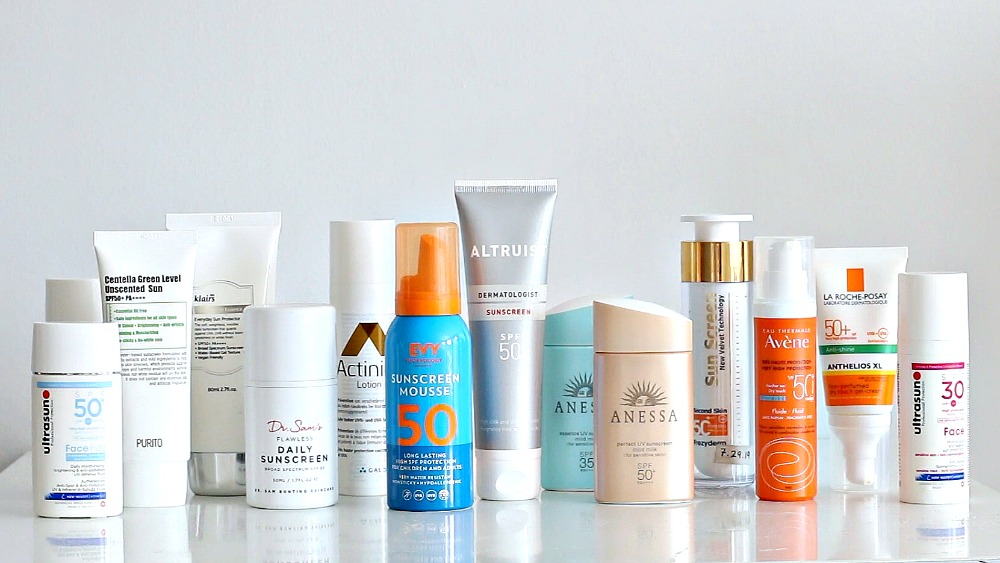
The “SPF” label on your sunscreen is built entirely on the safety and stability of its UV filters. These filters either absorb or reflect ultraviolet radiation, protecting skin from sunburn, premature aging, and skin cancer. The problem? Creating stable, photo-safe ingredients is extremely complex, which is why only a limited number of manufacturers are able to produce them at scale.
As concerns around reef safety, sensitivity reactions, and long-term skin health rise, the global sunscreen filter supply chain has become even more important—and more tightly regulated.
The Major Producers of Global Sunscreen Filters
Below is a breakdown of the largest and most influential sunscreen ingredient manufacturers and what they produce.
1. BASF (Germany) — The World’s Largest UV Filter Supplier
BASF is perhaps the most important name in global sunscreen production. Their Tinosorb® line is the backbone of many modern SPF formulas across Europe, Asia, and Australia.
Key Filters from BASF
- Tinosorb S (Bemotrizinol) – Broad-spectrum superstar used by La Roche-Posay, Eucerin, and many K-beauty brands
- Tinosorb M (Bisoctrizole) – A hybrid filter found in advanced European sunscreens
- Uvinul A Plus (Diethylamino Hydroxybenzoyl Hexyl Benzoate) – UVA filter used globally
- Uvinul T 150 (Ethylhexyl Triazone) – Powerful UVB absorber
These filters are considered the gold standard, but many are still not approved by the U.S. FDA—making them more popular in Japan, Korea, and Europe.
2. DSM-Firmenich (Switzerland/Netherlands) — Innovators Behind High-Tech Filters
DSM (now DSM-Firmenich) is responsible for some of the most widely used modern filters, especially in derm-focused brands.
Signature Filters
- Parsol® HX (Hydroxyapatite-based technology)
- Parsol® EHS (Ethylhexyl Salicylate)
- Parsol® 1789 (Avobenzone) – Still the most common UVA filter globally
- Parsol® Shield (Bemotrizinol alternative)
DSM supplies ingredients to countless major brands, from Neutrogena and Aveeno to Shiseido and Kose, depending on regional approvals.
3. L’Oréal (France) — Proprietary Filters for Its Own Brands
Unlike traditional ingredient suppliers, L’Oréal owns several patented UV filters used exclusively within its brands.
Exclusive L’Oréal Filters
- Mexoryl SX (Ecamsule) – Strong UVA protection; used in Anthelios
- Mexoryl XL (Drometrizole Trisiloxane) – Broad-spectrum, photostable
- Mexoryl 400 (Methoxypropylamino Cyclohexenylidene Ethylidenecyanoacetate) – Designed for ultra-long UVA
You’ll find these filters in brands such as:
- La Roche-Posay
- Vichy
- SkinCeuticals
- L’Oréal Paris
L’Oréal develops and produces these filters through internal R&D divisions and strategic manufacturing partners in France, Germany, and the U.S.
4. Symrise (Germany) — A Key Supplier for K-Beauty and Asian Sunscreens
Symrise is a global fragrance and cosmetic ingredient company, but also one of the top UV filter manufacturers.
Notable Symrise Filters
- Neo Heliopan® 303 (Octocrylene)
- Neo Heliopan® BB (Benzophenone-3)
- Neo Heliopan® AP (Diethylamino Hydroxybenzoyl Benzoic Acid)
Their ingredients are widely seen in:
- K-beauty brands like Beauty of Joseon, Etude, and Innisfree
- Japanese sunscreens
- Global drugstore sunscreens
Symrise maintains strong partnerships with Korean OEM giants like Kolmar and Cosmax, making it extremely prominent in Asian SPF formulas.
5. Ashland (USA) — A Major Player in the North American Sunscreen Market
Ashland is one of the leading suppliers of classical U.S.-approved filters, making it a cornerstone of the American sunscreen industry.
Key UV Filters
- Ethylhexyl Methoxycinnamate (Octinoxate)
- Homosalate
- Octisalate
- Octocrylene
Because the U.S. has stricter, older filter regulations, Ashland remains vital for brands formulating for FDA markets.
You’ll find their filters in:
- Neutrogena
- Coppertone
- Banana Boat
- Supergoop (U.S. versions)
6. Kobo Products (USA/Japan) — The Mineral Sunscreen Specialists
Kobo is lesser-known outside the industry, but extremely influential in mineral sunscreen production.
They Specialize In:
- Titanium dioxide dispersions
- Zinc oxide microfine powders
- Silicon-coated mineral particles
Kobo supplies to premium brands such as:
- EltaMD
- Supergoop
- Shiseido
- Numerous dermatologist-led mineral SPF brands
Their ability to create “transparent” zinc oxide has shaped modern mineral sunscreen trends.
7. Japanese UV Filter Manufacturers (Kao, Shiseido, DHC, Kose)
Japan is home to some of the world’s most advanced sunscreen innovation.
Kao Corporation
Produces proprietary filters for Bioré UV and other global brands.
Shiseido
Develops patented mineral and hybrid filters for its Anessa line.
Kose & DHC
Work with local chemical manufacturers to create ultra-lightweight UV filters used throughout Asian markets.
Japan’s strict stability and texture standards make these companies major producers of high-performance filters.
8. Korean OEMs (Kolmar Korea, Cosmax, Amorepacific)
K-beauty OEMs do not just formulate sunscreens—they also produce and refine UV filter blends.
While they often source raw filters from European suppliers like BASF or Symrise, they manufacture:
- Encapsulated filter systems
- Stabilized UV blends
- Low-irritation sunscreen emulsions
These OEMs are behind sunscreens for:
- Round Lab
- Beauty of Joseon
- Etude
- Dr. G
- Purito
- Laneige
Their ability to create watery, gel-based sunscreens drives massive global demand.
How These Filters End Up in the Sunscreens You Buy
Sunscreen brands rarely make filters themselves. Instead, they work with:
- Ingredient manufacturers (BASF, DSM, Symrise)
- OEM/ODM labs (Kolmar, Cosmax, Intercos)
- Private-label factories
- Formulation chemists
Brands simply select the filters they want based on:
- Regional approvals
- SPF level
- Texture
- Sensitivity concerns
- Marketing claims
This explains why two different sunscreens can feel similar—they’re often formulated in the same lab using the same suppliers.
Why the U.S. Has Fewer UV Filters
Most of the world’s modern UV filters are approved in Europe, Japan, and Korea but not yet authorized by the U.S. FDA. This is why U.S. sunscreens often rely on older filters like:
- Avobenzone
- Oxybenzone
- Octinoxate
- Homosalate
Brands with global distribution often create different formulas depending on whether they sell in the U.S., Europe, or Asia.
Final Thoughts: A Global Industry Led by a Few Powerful Manufacturers
While sunscreen brands get the spotlight, the real innovation and safety behind SPF comes from the manufacturers of UV filters. Companies like BASF, DSM, L’Oréal, Symrise, Ashland, and Kobo shape the entire global sunscreen market.
Understanding who makes these filters helps:
- Consumers choose safer, more effective sunscreens
- Brands improve transparency
- Researchers identify filter quality and stability
- Journalists track supply-chain trends
For anyone curious about what truly goes into sunscreen, the world of UV filter manufacturing reveals a fascinating mix of chemistry, global regulation, and innovation.